In the realm of residential floor care, understanding the compatibility of your cleaning tools with various flooring types is essential for maintaining a pristine home environment. With a multitude of flooring options available today—from hardwood and tile to carpet and laminate—homeowners often find themselves questioning whether their vacuum cleaner is suitable for each surface. This inquiry is not merely about convenience; it directly impacts the longevity and appearance of your floors. Proper floor care goes beyond just aesthetics; it plays a crucial role in creating a healthy living space. Dust, allergens, and dirt can accumulate on different surfaces, necessitating effective cleaning methods tailored to each type of flooring.
Using the wrong vacuum cleaner can lead to scratches on hardwood, damage to delicate carpets, or ineffective cleaning on tile surfaces. Therefore, understanding the nuances of your flooring and the capabilities of your vacuum cleaner is vital. As we delve deeper into this topic, we will explore the various types of flooring commonly found in residential settings and discuss how to choose the right vacuum cleaner for each. By equipping yourself with this knowledge, you can ensure that your home remains not only visually appealing but also a safe haven for you and your family.
Types of Residential Flooring
When it comes to residential floor care, understanding the various types of flooring materials is essential for effective maintenance and cleaning. Each flooring type has its unique characteristics, which influence the best cleaning methods and tools to use.Carpet
Carpet is a popular choice for many homes due to its warmth and comfort.However, it requires regular vacuuming to remove dirt, dust, and allergens. When using a vacuum cleaner on carpet, it's important to choose one with adjustable height settings to accommodate different pile heights. Additionally, consider using a vacuum with a HEPA filter for improved air quality.
Hardwood
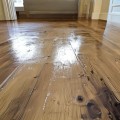
Hardwood flooring adds elegance and value to a home but can be sensitive to moisture. While vacuuming is an effective way to remove debris, it’s crucial to use a vacuum designed for hardwood floors, as traditional vacuums may scratch the surface.A vacuum with soft bristles or a suction-only mode is ideal for maintaining the finish of hardwood.
Tile
Tile flooring, whether ceramic or porcelain, is durable and easy to clean. Vacuuming can help remove loose dirt and debris before mopping. However, ensure that the vacuum has a setting suitable for hard surfaces to avoid damaging the grout lines. Regular maintenance includes sweeping or vacuuming followed by mopping with appropriate cleaners.Laminate
Laminate flooring mimics the look of wood but is made from composite materials.It’s resistant to scratches and stains, making it relatively easy to maintain. When vacuuming laminate floors, use a vacuum with a hard floor setting to prevent scratching. Avoid using excessive water when cleaning, as moisture can seep into seams and cause damage.In summary, understanding the different types of residential flooring—carpet, hardwood, tile, and laminate—enables homeowners to select the right cleaning methods and tools. This knowledge not only enhances the longevity of the floors but also contributes to a healthier living environment.
How Vacuum Cleaners Work
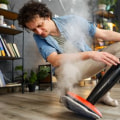
Understanding how vacuum cleaners work is essential for effective residential floor care.At the core of every vacuum cleaner is a motor that creates suction. This suction is generated by drawing air into the machine, which in turn pulls dirt and debris from the floor.
Suction Power
is a critical factor in determining a vacuum's effectiveness. It is measured in units such as air watts or inches of water lift. Higher suction power means better performance on various surfaces, allowing the vacuum to lift more dirt and allergens from carpets, hardwood, and tile floors.However, it’s important to note that too much suction can damage delicate flooring materials.
Brush Types
The type of brush roll used in a vacuum cleaner also plays a significant role in its performance across different flooring types. There are generally two types of brushes:- Beater Brushes: These are designed for carpets and rugs. They agitate the fibers, loosening dirt and debris for easier suction.
- Soft Brushes: Ideal for hard surfaces like hardwood or tile, these brushes prevent scratches while effectively picking up dust and dirt.
This knowledge not only improves cleaning efficiency but also extends the life of your floors.
Using Vacuum Cleaners on Carpeted Floors
When it comes to residential floor care, vacuuming carpeted floors is a crucial aspect that can significantly impact the cleanliness and longevity of your carpets. Regular vacuuming not only removes dirt and debris but also helps maintain the carpet's appearance and texture.Choosing the Right Vacuum for Carpet
- Upright Vacuums: These are often considered the best option for carpet cleaning due to their powerful suction and ability to adjust height settings for different carpet types.
- Canister Vacuums: Ideal for homes with a mix of flooring, canister vacuums offer versatility and are effective on carpets, especially in hard-to-reach areas.
- Robotic Vacuums: While they may not replace traditional vacuums, robotic models can help maintain cleanliness between deep cleans, especially in low-pile carpets.
Carpet Care Tips
- Vacuum Regularly: Aim to vacuum at least once a week, or more frequently in high-traffic areas, to prevent dirt from settling into the fibers.
- Use the Right Attachments: Utilize brush rolls or beater bars for deep cleaning, but switch to a suction-only mode for delicate carpets to avoid damage.
- Check Filters: Ensure that your vacuum's filters are clean and replaced regularly to maintain optimal suction power.
- Spot Clean Stains: Address spills immediately with appropriate cleaning solutions to prevent stains from setting in.
Vacuuming Hardwood Floors: What You Need to Know
When it comes to vacuuming hardwood floors, choosing the right equipment is crucial to maintaining their beauty and longevity. Not all vacuum cleaners are created equal, and using the wrong type can lead to scratches, dents, or other damage to your flooring.Best Vacuum for Hardwood Floors
- Canister Vacuums: These are often recommended for hardwood floors due to their gentle suction and maneuverability.
They typically come with soft bristle brushes that won’t scratch the surface.
- Stick Vacuums: Lightweight and easy to use, stick vacuums are great for quick clean-ups. Look for models specifically designed for hardwood, as they usually have features that prevent scratching.
- Robotic Vacuums: A convenient option for daily maintenance, robotic vacuums can effectively pick up dust and debris without the need for manual effort. Ensure they have soft brushes and sensors to avoid collisions.
- Use the Right Attachments: Always opt for a vacuum with a hard floor setting or a bare floor attachment. This will help prevent any potential damage.
- Avoid Beater Bars: Many traditional vacuums come with rotating brushes or beater bars that can scratch hardwood surfaces.
If your vacuum has this feature, make sure it can be turned off.
- Regular Maintenance: Keep your vacuum cleaner in good condition by regularly cleaning its filters and brushes. This ensures optimal performance and prevents dirt from being redeposited on your floors.
Tile and Stone Flooring: Vacuum Cleaner Usage Guidelines
When it comes to residential floor care, tile and stone flooring require specific attention, especially when using a vacuum cleaner.These surfaces can be both beautiful and durable, but they also need the right cleaning tools to maintain their appearance and longevity.
Vacuuming Tile Floors
Tile floors are generally easy to clean, but using the wrong vacuum can lead to scratches or damage. It’s essential to choose a vacuum that is designed for hard surfaces. Look for models with a hard floor setting or those that come with a soft brush attachment. These features help prevent scratching while effectively picking up dirt and debris.
Best Vacuum for Tile
- Canister Vacuums: These are often recommended for tile floors due to their versatility and gentle cleaning capabilities.
Models like the Miele Complete C3 are excellent choices.
- Stick Vacuums: Lightweight and easy to maneuver, stick vacuums such as the Dyson V11 Torque Drive can efficiently clean tile without causing damage.
- Robotic Vacuums: For daily maintenance, robotic vacuums like the iRobot Roomba 980 can be programmed to clean tile floors regularly, ensuring they stay free of dust and debris.
Stone Floor Care Tips
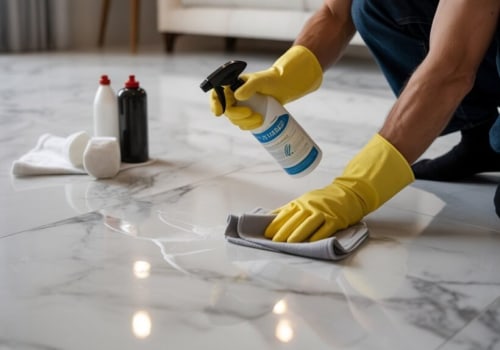
Stone flooring, such as marble or granite, requires extra care. Here are some tips for maintaining these surfaces:
- Avoid Harsh Chemicals: Use pH-neutral cleaners specifically designed for stone.
- Regular Vacuuming: Frequent vacuuming helps prevent dirt from scratching the surface. Ensure your vacuum has a soft brush roll.
- Mop with Care: After vacuuming, use a damp mop with a suitable cleaner to remove any remaining residue.
Laminate Flooring: Can You Use a Vacuum Cleaner?
When it comes to vacuuming laminate floors, many homeowners wonder if their vacuum cleaner is suitable for this type of flooring. The good news is that you can indeed use a vacuum cleaner on laminate floors, but there are some important considerations to keep in mind to ensure effective cleaning without damaging the surface.Choosing the Right Vacuum
- Stick Vacuums: Lightweight and easy to maneuver, stick vacuums are often ideal for laminate flooring.
Look for models with soft bristles or a hard floor setting to avoid scratching.
- Canister Vacuums: These vacuums typically come with various attachments, making them versatile for cleaning different surfaces. Ensure the attachment used has a soft brush head.
- Robotic Vacuums: Many robotic vacuums are designed specifically for hard floors, including laminate. They can be a convenient option for regular maintenance.
Best Practices for Vacuuming
- Avoid Beater Bars: If your vacuum has a beater bar, it’s best to turn it off or choose a model without one. Beater bars can scratch and damage the laminate surface.
- Regular Maintenance: Vacuuming regularly helps prevent dirt and debris from scratching the floor.
Aim for at least once a week, or more frequently in high-traffic areas.
- Use the Right Attachments: Utilize attachments designed for hard floors. A soft brush or microfiber attachment can effectively pick up dust and dirt without causing harm.
Laminate Floor Care Advice
In addition to vacuuming, consider incorporating other cleaning methods into your residential floor care routine. Damp mopping with a microfiber mop and a gentle cleaner specifically formulated for laminate can help maintain shine and cleanliness without leaving excess moisture that could warp the flooring.By following these guidelines, you can effectively use a vacuum cleaner on your laminate flooring while ensuring its longevity and aesthetic appeal. Regular care not only keeps your floors looking great but also enhances their durability over time.
Common Misconceptions About Vacuuming Different Floors
When it comes to residential floor care, many homeowners hold onto misconceptions about vacuuming different types of flooring.Understanding these myths can help you maintain your floors more effectively.
- Myth 1: All vacuums are the same for every floor type. This is not true. Different flooring materials, such as hardwood, carpet, and tile, require specific vacuum features. For instance, a vacuum with a beater bar may be great for carpets but can scratch hardwood floors.
- Myth 2: Vacuuming damages hardwood floors. Many believe that using a vacuum on hardwood can cause scratches or damage. However, when using a vacuum designed for hard surfaces, it can actually be beneficial by removing dirt and debris without the risk of scratching.
- Myth 3: You don’t need to vacuum area rugs. Some homeowners think that area rugs don’t require regular vacuuming.
In reality, dust and allergens can accumulate in rugs just like in carpets, making regular vacuuming essential for maintaining a clean home.
- Myth 4: Vacuuming is enough for floor care. While vacuuming is an important part of floor care, it should not be the only method used. Regular mopping or deep cleaning is necessary to remove stains and maintain the integrity of your flooring.
Conclusion: Choosing the Right Vacuum for Your Flooring Needs
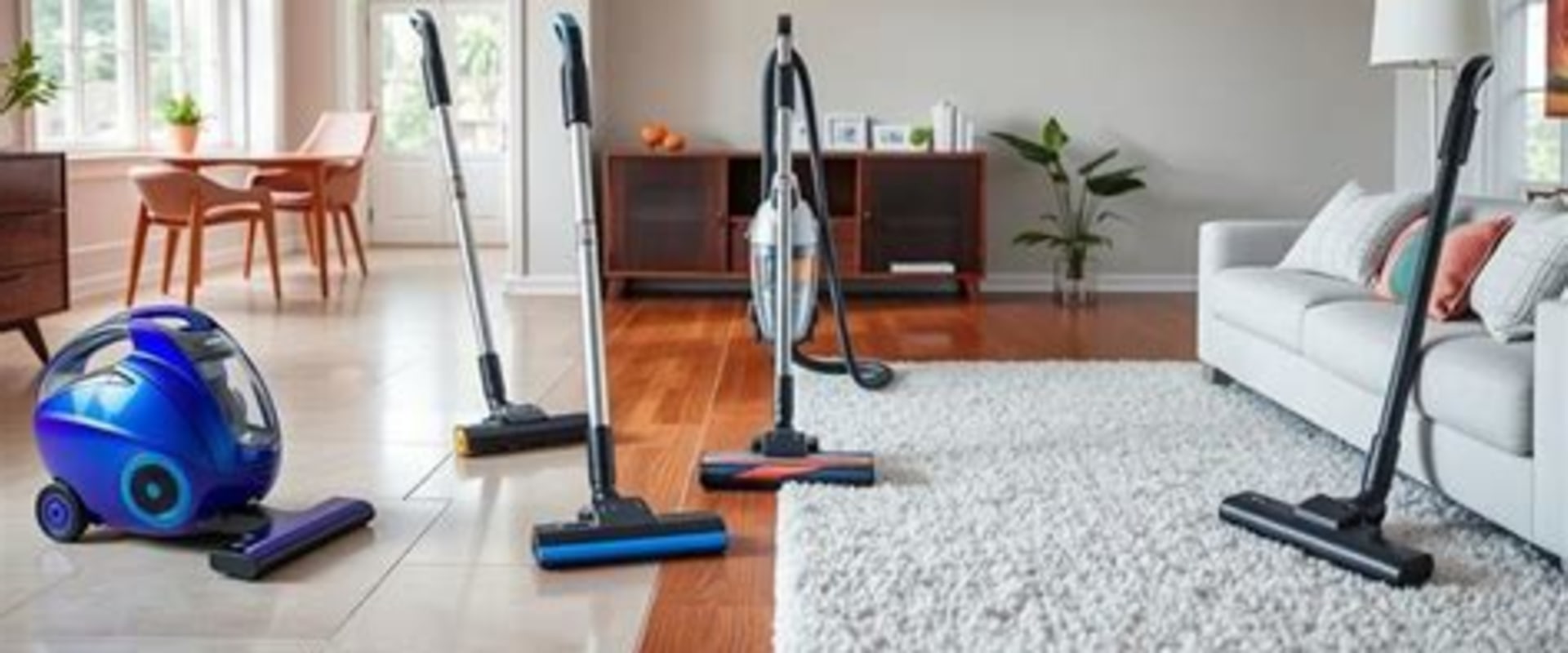
In conclusion, selecting the right vacuum cleaner is crucial for maintaining the longevity and appearance of your residential flooring. Each type of flooring—be it hardwood, carpet, tile, or laminate—has unique characteristics that require specific cleaning approaches.Understanding these differences can significantly enhance your floor care routine.For instance, if you have hardwood floors, a vacuum with a soft brush roll is essential to prevent scratches while effectively removing dust and debris. On the other hand, carpeted areas benefit from vacuums with strong suction power and rotating brushes to lift dirt embedded in the fibers.When considering tile and laminate flooring, look for vacuums that offer versatility. Models equipped with a hard floor setting can switch between surfaces without causing damage. Additionally, lightweight and maneuverable options are ideal for quick clean-ups in high-traffic areas.
Key Takeaways:
- Assess your flooring type: Different materials require different vacuum features.
- Consider suction power: More powerful vacuums are better for carpets, while gentler options work for delicate surfaces.
- Look for versatility: A vacuum that adapts to multiple flooring types can save time and effort.
By prioritizing residential floor care, you ensure that your home remains inviting and well-maintained for years to come.