Hardwood floors are a stunning addition to any home, offering a timeless elegance that enhances the overall aesthetic of residential spaces. Their natural beauty and warmth create an inviting atmosphere, making them a popular choice among homeowners. However, despite their charm, hardwood floors are not without their vulnerabilities. Understanding these weaknesses is essential for effective hardwood floor care and ensuring the longevity of your investment. One of the most common issues faced by hardwood floors is scratching.
Everyday activities, such as moving furniture, pet claws, and even high heels, can lead to unsightly marks that mar the surface of your beautiful flooring. These scratches not only detract from the visual appeal but can also compromise the integrity of the wood over time. Therefore, recognizing the factors that contribute to these vulnerabilities is crucial for any homeowner looking to maintain their floors. In addition to physical damage, environmental factors such as humidity and temperature fluctuations can also affect hardwood floors. Wood is a natural material that expands and contracts with changes in moisture levels, which can lead to warping or cracking if not properly managed.
This highlights the importance of comprehensive residential floor care practices that go beyond mere cleaning. By understanding the unique characteristics of hardwood and implementing preventive measures, homeowners can protect their floors from scratches and other forms of damage.
Essential Maintenance Practices for Hardwood Floors
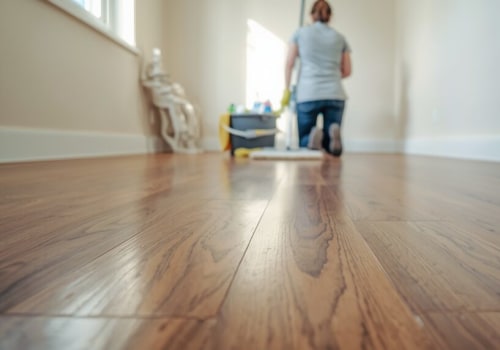
Maintaining the beauty and integrity of your hardwood floors requires consistent care and attention. Implementing essential maintenance practices can significantly reduce the risk of scratches and prolong the life of your flooring.Regular Cleaning
- Dust and Debris Removal: Use a soft-bristle broom or a microfiber mop to regularly remove dust, dirt, and debris. This prevents particles from scratching the surface when walked on.
- Vacuuming: Employ a vacuum cleaner with a hardwood floor attachment at least once a week.
This helps eliminate fine dust that can accumulate over time.
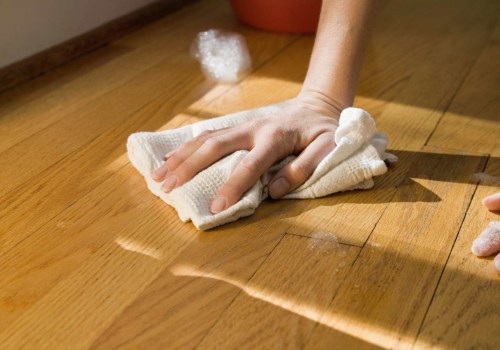
- Spot Cleaning: For spills or stains, promptly clean with a damp cloth and a gentle hardwood floor cleaner. Avoid using excessive water, as it can damage the wood.
Polishing and Refinishing
- Polishing: Every few months, consider applying a high-quality polish designed for hardwood floors. This not only enhances shine but also adds a protective layer against scratches.
- Refinishing: Depending on foot traffic, refinishing your floors every 3-5 years can restore their original luster and provide a fresh protective coat.
Preventive Measures
- Area Rugs: Place area rugs in high-traffic zones to absorb impact and prevent scratches from shoes or furniture.
- Furniture Pads: Attach felt pads to the bottom of furniture legs to minimize scratching when moving items around.
- Shoe Policy: Encourage a no-shoes policy indoors or use soft-soled slippers to reduce wear on your floors.
Choosing the Right Furniture and Accessories
When it comes to residential floor care, one of the most effective strategies for preventing scratches on hardwood floors is to choose the right furniture and accessories.The type of furniture you select can significantly impact the longevity and appearance of your flooring.
Furniture Pads for Hardwood Floors
- One of the simplest yet most effective solutions is to use furniture pads. These small, often felt or rubber discs can be placed under the legs of chairs, tables, and other heavy items.
- Ensure that you regularly check and replace these pads, as they can wear down over time, losing their protective qualities.
- For added protection, consider using thicker pads for heavier furniture pieces, which can distribute weight more evenly and reduce the risk of scratches.
Best Furniture for Hardwood Floors
- When selecting furniture, opt for pieces with rounded edges rather than sharp corners. This design minimizes the risk of gouging your floors if furniture is moved or bumped.
- Consider lighter furniture options that are easier to lift rather than drag across the floor. This practice can significantly reduce wear and tear on your hardwood.
- Additionally, avoid using metal or hard plastic legs on furniture, as these materials are more likely to scratch the surface of your hardwood floors.
Residential Floor Care Accessories
- Incorporating area rugs in high-traffic zones can also help protect your hardwood floors from scratches.
Choose rugs with non-slip backing to prevent them from sliding around.
- Another useful accessory is a doormat at entryways. This helps trap dirt and debris before it enters your home, reducing the chances of scratches caused by grit.
- Finally, consider using a floor cleaner specifically designed for hardwood floors. Regular cleaning not only maintains the shine but also helps remove any particles that could cause scratches.
Implementing Protective Measures in High-Traffic Areas
High-traffic areas in your home, such as entryways, hallways, and living rooms, are particularly vulnerable to scratches and wear on hardwood floors. Implementing protective measures in these zones is essential for maintaining the beauty and longevity of your flooring.Here are some effective strategies to consider:
- Use Area Rugs and Mats: Placing area rugs or mats in high-traffic zones can significantly reduce the amount of dirt and debris that comes into contact with your hardwood floors. Opt for rugs with non-slip backing to prevent slipping and sliding.
- Choose the Right Material: When selecting rugs, consider materials that are gentle on hardwood surfaces. Natural fibers like wool or cotton are excellent choices as they provide cushioning without causing scratches.
- Regular Cleaning: Keep high-traffic areas clean by regularly sweeping or vacuuming to remove dirt and grit that can scratch the floor. A damp mop with a pH-neutral cleaner specifically designed for hardwood can help maintain the finish.
- Furniture Pads: Attach felt pads to the bottom of furniture legs to prevent scratches when moving chairs or tables.
This simple addition can make a significant difference in protecting your floors.
- Limit Foot Traffic: Encourage family members and guests to remove their shoes upon entering your home. This practice not only keeps dirt at bay but also minimizes the risk of scratches from shoe soles.
Educating Household Members on Floor Care
Educating family members about proper floor care is essential for maintaining the beauty and longevity of your hardwood floors. When everyone in the household understands the importance of protecting these surfaces, it fosters a culture of care that can significantly reduce the risk of scratches and damage.Start with Awareness
- Discuss the value of hardwood floors and their aesthetic appeal.
- Explain how scratches can diminish their beauty and lead to costly repairs.
Establish Household Habits
- Shoe Policy: Implement a no-shoes policy indoors or encourage the use of soft-soled slippers to minimize dirt and debris that can scratch the floor.
- Regular Cleaning: Teach family members to sweep or vacuum regularly to remove dust and grit that can cause scratches.
- Use Area Rugs: Place area rugs in high-traffic zones to protect the floor from wear and tear.
Involve Everyone
Make floor care a family responsibility.
Assign tasks such as cleaning or checking for potential hazards like pet claws or furniture edges. This not only spreads awareness but also instills a sense of ownership among family members.
Lead by Example
Your actions set the tone for how others treat your hardwood floors. By consistently following best practices in residential floor care, you demonstrate the importance of maintaining these surfaces. Encourage open discussions about any issues or concerns regarding floor care, fostering an environment where everyone feels responsible for protecting your home’s investment.Ultimately, educating household members about proper floor care is a proactive approach that leads to better habits, ensuring your hardwood floors remain beautiful and scratch-free for years to come.
Seasonal Care Tips for Hardwood Floors
Maintaining the beauty and integrity of your hardwood floors requires a tailored approach throughout the year.Each season brings unique challenges that can affect the condition of your floors, so adapting your residential floor care routine is essential.
Winter Care for Hardwood Floors
During winter, the combination of snow, ice, and salt can wreak havoc on hardwood surfaces. To protect your floors:- Use mats: Place heavy-duty mats at entryways to trap moisture and debris before it reaches your floors.
- Wipe up spills immediately: Snow and ice can melt indoors, so promptly clean any water to prevent warping or staining.
- Avoid harsh chemicals: Use gentle cleaners specifically designed for hardwood to avoid damaging the finish.
Spring Care for Hardwood Floors
As temperatures rise, it's time to refresh your hardwood floors:- Deep clean: Use a damp mop with a suitable hardwood cleaner to remove winter grime.
- Check humidity levels: Spring can bring fluctuating humidity; consider using a humidifier or dehumidifier to maintain optimal levels (30-50%) to prevent expansion or contraction.
Summer Care for Hardwood Floors
Summer heat can lead to increased humidity, which may cause wood to swell. To mitigate this:- Keep air circulating: Use fans or air conditioning to maintain a stable environment.
- Avoid direct sunlight: Use curtains or blinds to protect your floors from UV rays that can fade the finish.
- Regular sweeping: Dust and dirt can scratch the surface; regular sweeping helps keep your floors looking pristine.
Common Myths About Hardwood Floor Care Debunked
When it comes to residential floor care, there are numerous myths that can lead homeowners astray.Understanding these misconceptions is crucial for maintaining the beauty and longevity of your hardwood floors.
- Myth 1: All hardwood floors are the same. Many believe that all hardwood floors require the same care. In reality, different types of wood and finishes necessitate specific maintenance routines. For instance, a floor with a matte finish may require different cleaning products than one with a glossy finish.
- Myth 2: You should use water to clean hardwood floors. While it might seem logical to use water for cleaning, excessive moisture can damage hardwood. Instead, opt for a cleaner specifically designed for hardwood floors that won’t leave behind residue or cause warping.
- Myth 3: Scratches can be easily fixed with any wood polish. Many homeowners think that applying a generic wood polish will cover up scratches.
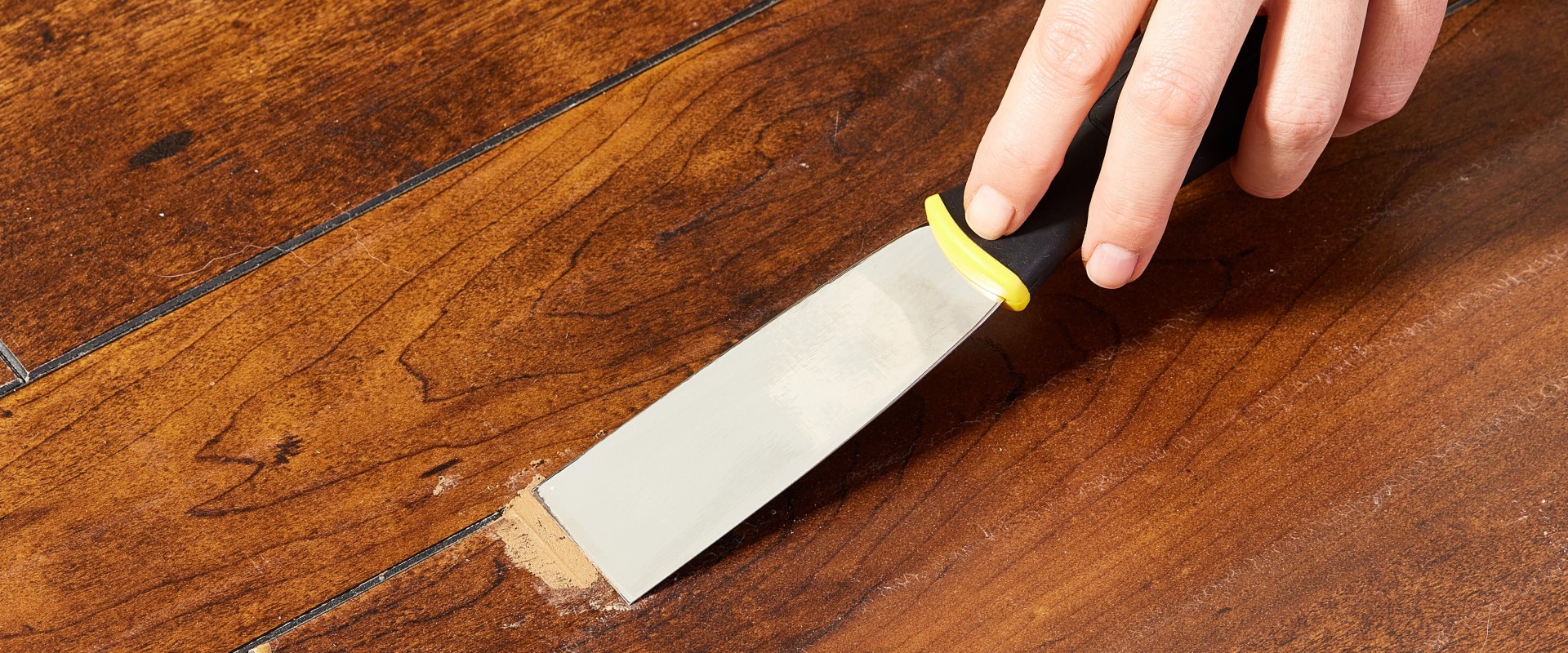
However, this can often make the problem worse. Instead, consider using a touch-up kit or consulting a professional for deeper scratches.
- Myth 4: Area rugs are unnecessary. Some believe that area rugs are just decorative. In truth, they play a vital role in protecting high-traffic areas from scratches and wear. Placing rugs in entryways and under furniture can significantly reduce damage.
- Myth 5: You don’t need to worry about sunlight. Another common misconception is that sunlight has no effect on hardwood floors.
UV rays can fade and discolor wood over time. Using window treatments or UV-blocking films can help preserve your floor’s color.
When to Seek Professional Help for Hardwood Floors
Maintaining the beauty and integrity of your hardwood floors is essential, but there are times when DIY efforts may not be enough. Recognizing when to seek professional hardwood floor care can save you time, money, and potential damage to your floors.Signs You Need Professional Help
- Severe Scratches or Dents: If your hardwood floors have deep scratches or dents that cannot be buffed out with regular cleaning, it may be time to call in the experts.
Professionals have the tools and expertise to restore your floors to their original condition.
- Water Damage: If you notice warping, buckling, or discoloration due to water exposure, immediate professional intervention is crucial. Water damage can lead to mold growth and further deterioration if not addressed promptly.
- Persistent Stains: Some stains, especially those from pet accidents or spills, can penetrate the wood and become permanent if not treated correctly. Professionals can assess the damage and recommend appropriate restoration techniques.
- Uneven Floors: If you notice that your hardwood floors are uneven or creaking, this could indicate underlying structural issues. A professional can evaluate the situation and provide solutions that ensure both safety and aesthetics.
- Refinishing Needs: If your floors have lost their luster despite regular cleaning and maintenance, it might be time for a professional refinishing job.
This process requires specialized equipment and skills to achieve a flawless finish.
When to Hire Floor Care Services
If you find yourself facing any of the above issues, consider hiring residential floor maintenance professionals. They can provide tailored solutions based on the specific needs of your hardwood floors. Additionally, if you’re unsure about the best cleaning products or methods for your particular type of wood, consulting with a professional can help prevent further damage.In summary, while regular maintenance is vital for keeping your hardwood floors in top shape, knowing when to seek professional help is equally important. By addressing significant issues early on with expert assistance, you can extend the life of your floors and maintain their beauty for years to come.
Conclusion: Key Takeaways for Protecting Your Hardwood Floors
In conclusion, protecting your hardwood floors from scratches is essential for maintaining their beauty and longevity.By implementing a combination of proactive measures, you can significantly reduce the risk of damage and ensure your floors remain in pristine condition.
Key Strategies for Prevention
- Regular Cleaning: Frequent sweeping or vacuuming helps remove dirt and debris that can scratch the surface.
- Use Area Rugs: Placing rugs in high-traffic areas not only adds style but also acts as a barrier against wear and tear.
- Furniture Pads: Attaching felt pads to the bottom of furniture legs prevents scratches when moving items around.
- Proper Footwear: Encourage family members and guests to remove shoes before walking on hardwood floors to minimize scuffing.
- Humidity Control: Maintaining optimal humidity levels in your home can prevent wood expansion and contraction, which may lead to surface damage.