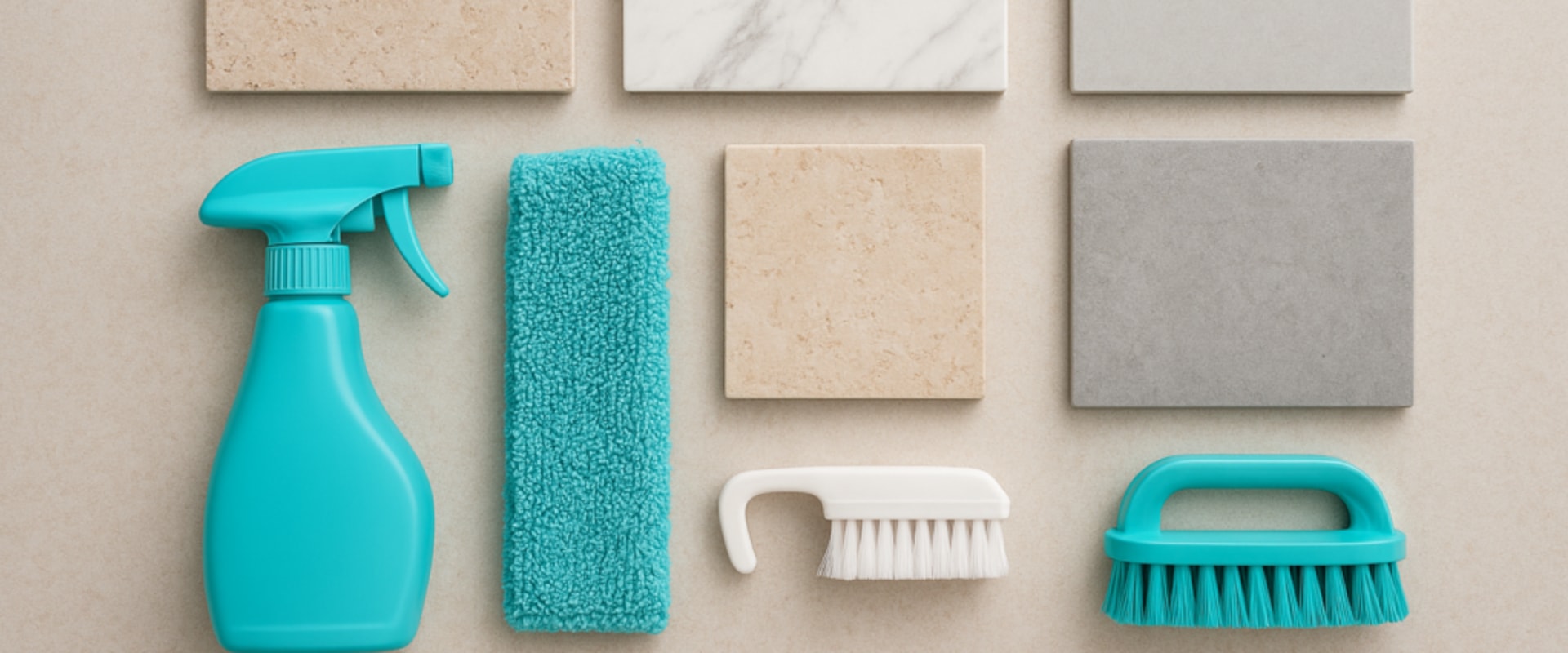
Tile floors are a popular choice in many residential settings due to their durability, aesthetic appeal, and ease of maintenance. However, understanding the specific needs of different types of tile is crucial for effective floor care. From ceramic and porcelain to natural stone tiles, each material has unique characteristics that influence how they should be cleaned and maintained. Ceramic and porcelain tiles, for instance, are known for their resistance to stains and moisture, making them ideal for kitchens and bathrooms. They can typically be cleaned with a simple mixture of warm water and mild detergent.
On the other hand, natural stone tiles like marble or granite require more specialized care due to their porous nature. These surfaces can absorb spills and stains if not properly sealed and maintained, necessitating the use of pH-balanced cleaners designed specifically for stone. In addition to understanding the type of tile, it’s essential to consider the cleaning products used. Many commercial cleaners can be too harsh for certain tiles, leading to damage over time. Therefore, selecting the right products tailored for your specific tile type is vital in preserving their beauty and longevity.
As we delve deeper into this topic, we will explore recommended cleaning products and techniques that cater to various tile materials, ensuring your floors remain pristine and inviting.
Key Considerations for Cleaning Tile Floors
When it comes to cleaning tile floors, several key considerations can significantly impact the effectiveness of your cleaning routine and the longevity of your flooring. Understanding these factors will help you choose the right products and methods for optimal tile floor maintenance.- Type of Tile: Different types of tiles, such as ceramic, porcelain, or natural stone, require specific cleaning approaches. For instance, while ceramic tiles are generally more durable and resistant to stains, natural stone tiles may need pH-neutral cleaners to avoid damage.
- Grout Condition: The condition of your grout is crucial. If the grout is stained or damaged, it can affect the overall appearance of your tile floors.
Regular cleaning and sealing of grout lines can prevent discoloration and deterioration.
- Cleaning Frequency: Establishing a regular cleaning schedule is essential for maintaining the beauty and integrity of your tile floors. High-traffic areas may require more frequent cleaning compared to less-used spaces. A weekly cleaning routine can help prevent dirt buildup and keep your floors looking their best.
When mopping, opt for a damp mop rather than soaking wet to avoid water damage, especially on porous tiles.In summary, understanding the type of tile you have, assessing the condition of your grout, and establishing a consistent cleaning schedule are all vital components in maintaining your tile floors. By taking these factors into account, you can select the most suitable products and techniques for effective residential floor care.
Recommended Cleaning Products for Tile Floors
When it comes to cleaning tile floors, selecting the right products can make a significant difference in maintaining their appearance and longevity. Here are some highly recommended products that cater to various cleaning needs:- Bona Stone, Tile & Laminate Floor Cleaner : This commercial cleaner is specifically formulated for tile and stone surfaces. It effectively removes dirt and grime without leaving any residue, making it a top choice for residential floor care.
- Rejuvenate All Floors Restorer : Ideal for restoring the shine to dull tile floors, this product not only cleans but also protects the surface.
It’s perfect for high-traffic areas where wear and tear are evident.
- Mrs. Meyer's Clean Day Multi-Surface Concentrate : For those who prefer a more natural approach, this biodegradable cleaner is effective on tile floors and leaves a pleasant scent. It’s safe for homes with pets and children.
- Homemade Vinegar Solution : A simple DIY solution can be made by mixing equal parts of white vinegar and water. This mixture is excellent for cutting through grease and grime while being eco-friendly.
- Simple Green All-Purpose Cleaner : This versatile cleaner can be used on various surfaces, including tile.
It’s non-toxic and effective at removing tough stains, making it suitable for residential cleaning products.
DIY Cleaning Solutions for Tile Floors
Cleaning tile floors can be both effective and economical with DIY cleaning solutions. Using common household ingredients, you can create powerful cleaners that are safe for your family and the environment.Here are some simple recipes to get you started:
1.Vinegar and Water Solution
This classic solution is perfect for removing grime and stains from tile floors.- Ingredients: 1 cup of white vinegar, 1 gallon of warm water.
- Instructions: Mix the vinegar and water in a bucket. Use a mop or cloth to apply the solution to the floor, then rinse with clean water to avoid any residue.
2.Baking Soda Paste
Baking soda is a natural abrasive that can tackle tough stains.- Ingredients: 1/2 cup of baking soda, water.
- Instructions: Mix baking soda with enough water to form a paste. Apply it directly to stains, let it sit for 10-15 minutes, then scrub gently with a soft brush or cloth before rinsing.
3.Essential Oil Cleaner
Add a pleasant scent while cleaning with essential oils.- Ingredients: 1 cup of vinegar, 1 gallon of water, 10-15 drops of your favorite essential oil (like lemon or tea tree).
- Instructions: Combine all ingredients in a bucket. Use this mixture to mop your floors, enjoying the fresh aroma as you clean.
For best results, always test a small area first to ensure compatibility with your specific tile type. Regular maintenance using these natural products will keep your tile floors looking their best while promoting residential floor care.
Step-by-Step Guide to Cleaning Tile Floors
Cleaning tile floors can seem daunting, but with the right approach, it can be a straightforward task. Follow this step-by-step guide to ensure your tile floors are spotless and well-maintained.- Gather Your Supplies: Before you start, collect all necessary cleaning supplies. You will need:
- A broom or vacuum cleaner
- A mop (preferably microfiber)
- A bucket
- Tile cleaner or a mixture of warm water and vinegar
- A soft cloth or sponge for scrubbing
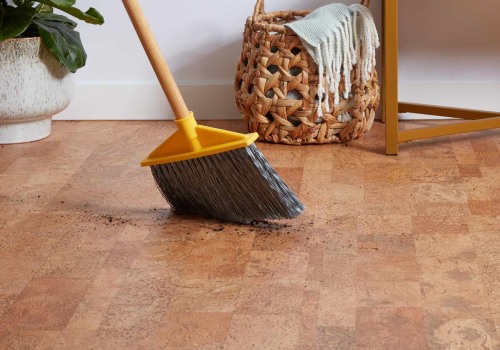
- Remove Loose Dirt and Debris: Begin by sweeping or vacuuming the floor to eliminate any loose dirt, dust, or debris.
This step is crucial as it prevents scratching the tiles during mopping.
- Prepare Your Cleaning Solution: If using a commercial tile cleaner, follow the instructions on the label. For a homemade solution, mix equal parts of warm water and white vinegar in your bucket. This natural cleaner is effective and safe for most tile types.
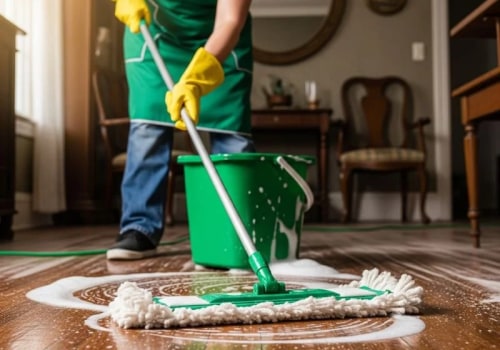
- Mop the Floor: Dip your mop into the cleaning solution, wring it out to avoid excess water, and start mopping the floor. Work in small sections, moving from one end of the room to the other.
Make sure to rinse the mop frequently to avoid spreading dirt around.
- Scrub Stubborn Stains: For any tough stains or grime buildup, use a soft cloth or sponge dipped in your cleaning solution. Gently scrub the affected areas until they are clean. Avoid abrasive materials that could damage the tile surface.
- Rinse the Floor: After mopping with the cleaning solution, it’s important to rinse the floor with clean water. This step removes any residue from the cleaning products and helps prevent slippery surfaces.
- Dry the Floor: Finally, allow your tile floor to air dry or use a clean, dry mop to speed up the drying process.
This will help prevent water spots and streaks.
Maintaining Grout: The Key to Long-Lasting Tile Floors
Maintaining grout is essential for the longevity and appearance of your tile floors. Grout, while often overlooked, plays a crucial role in keeping tiles securely in place and preventing moisture from seeping beneath them. Regular maintenance not only enhances the aesthetic appeal of your floors but also protects them from damage.Grout Cleaning Products
- pH-Neutral Cleaners: These are ideal for regular cleaning as they are gentle on both grout and tile surfaces.
Look for products specifically labeled as safe for tile and grout.
- Oxygen Bleach: This is an effective option for tough stains. It works by breaking down the stain molecules without damaging the grout.
- Vinegar and Baking Soda: A natural alternative, this combination can help lift grime and stains. Apply a paste of baking soda and water, then spray with vinegar for a fizzing action that cleans effectively.
- Commercial Grout Cleaners: There are many specialized products available that target grout stains. Look for those that contain sodium hypochlorite or hydrogen peroxide for effective results.
Keeping Grout Clean
- Regular Sweeping and Mopping: Keeping dirt and debris off the floor prevents it from settling into the grout lines.
Use a soft-bristle broom or a vacuum designed for hard floors.
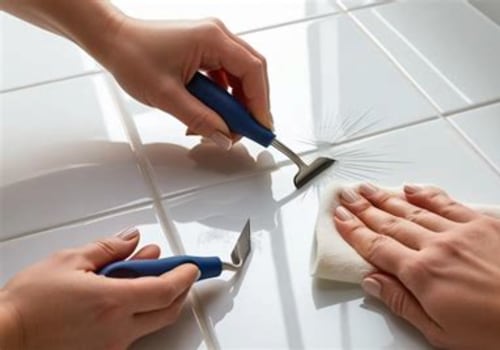
- Sealing Grout: After cleaning, consider applying a grout sealer to protect against stains and moisture. This can significantly extend the life of your grout.
- Avoid Harsh Chemicals: Stay away from acidic cleaners that can erode grout over time. Always check product labels to ensure compatibility with your flooring.
Common Mistakes to Avoid When Cleaning Tile Floors
Cleaning tile floors can be a straightforward task, but many homeowners make common mistakes that can lead to ineffective cleaning or even damage.Understanding what not to do is essential for maintaining the beauty and longevity of your tiles.
- Using the Wrong Cleaning Products: One of the most frequent errors is using harsh chemicals or abrasive cleaners that can scratch or dull the surface of the tiles. Always opt for products specifically designed for residential floor care that are safe for your tile type.
- Neglecting to Sweep or Vacuum First: Failing to remove dirt and debris before mopping can lead to scratches on the tile surface. Always start by sweeping or vacuuming to ensure a clean slate.
- Over-Wetting the Floor: Excessive water can seep into grout lines, leading to mold and mildew growth. Use a damp mop instead of soaking the floor, and ensure proper drying afterward.
- Ignoring Grout Maintenance: Many homeowners focus solely on the tiles and forget about the grout.
Regularly cleaning and sealing grout lines can prevent discoloration and damage.
- Using a Single Mop for All Areas: Different areas may require different cleaning methods. For instance, kitchen tiles may need more scrubbing than bathroom tiles. Using a dedicated mop for each area can help maintain cleanliness.
FAQs About Cleaning Tile Floors
When it comes to cleaning tile floors, many homeowners have questions about the best practices and products to use.Here are some of the most frequently asked questions regarding tile care.
What are the best products for cleaning tile floors?
For effective residential floor care, consider using:- pH-neutral cleaners: These are gentle on tiles and grout, preventing damage while effectively removing dirt.
- Vinegar and water solution: A mixture of equal parts vinegar and water can be a natural alternative for cleaning, but avoid using it on natural stone tiles.
- Commercial tile cleaners: Look for products specifically designed for your type of tile, whether ceramic, porcelain, or stone.
- Steam mops: These can sanitize and clean without the need for harsh chemicals, making them a great option for families with children or pets.
How often should I clean my tile floors?
The frequency of cleaning depends on foot traffic and usage. Generally, it’s advisable to:- Sweep or vacuum: At least once a week to remove dirt and debris.
- Mop: Every 1-2 weeks with a suitable cleaner to maintain shine and cleanliness.
- Deep clean: Every few months or as needed, especially in high-traffic areas.
Can I use bleach on my tile floors?
While bleach can be effective for disinfecting, it’s important to use it cautiously. Always dilute bleach with water and test it on a small area first. Overuse can lead to discoloration or damage to grout.What should I do if my grout is stained?
If you notice stains in your grout, consider these options:- Baking soda paste: Mix baking soda with water to form a paste, apply it to the stained area, let it sit, then scrub gently.
- Commercial grout cleaners: These are formulated specifically for tough stains and can be very effective.
- Sealing grout: After cleaning, applying a grout sealer can help prevent future stains.
Conclusion: Keeping Your Tile Floors Pristine
In conclusion, maintaining the beauty and longevity of your tile floors requires a thoughtful approach to residential floor care.The right products and techniques can make all the difference in keeping your tiles looking pristine. Throughout this article, we have explored various cleaning solutions tailored for different types of tile surfaces. Whether you have ceramic, porcelain, or natural stone tiles, using the appropriate cleaners is essential to avoid damage and ensure effective cleaning. Here are some key takeaways to remember:
- Choose pH-neutral cleaners for regular maintenance to prevent dulling and etching.
- For tough stains, consider using specialized stain removers that are safe for your specific tile type.
- Always test new products in a small, inconspicuous area before applying them to the entire floor.
- Utilize tools like microfiber mops and soft-bristle brushes to avoid scratching the surface.