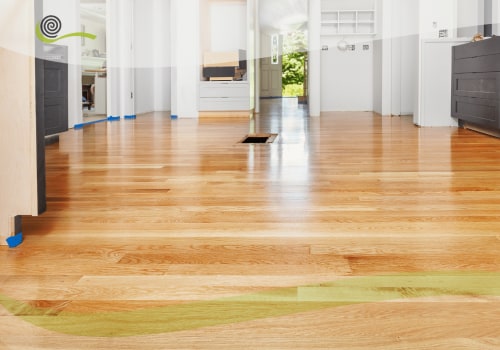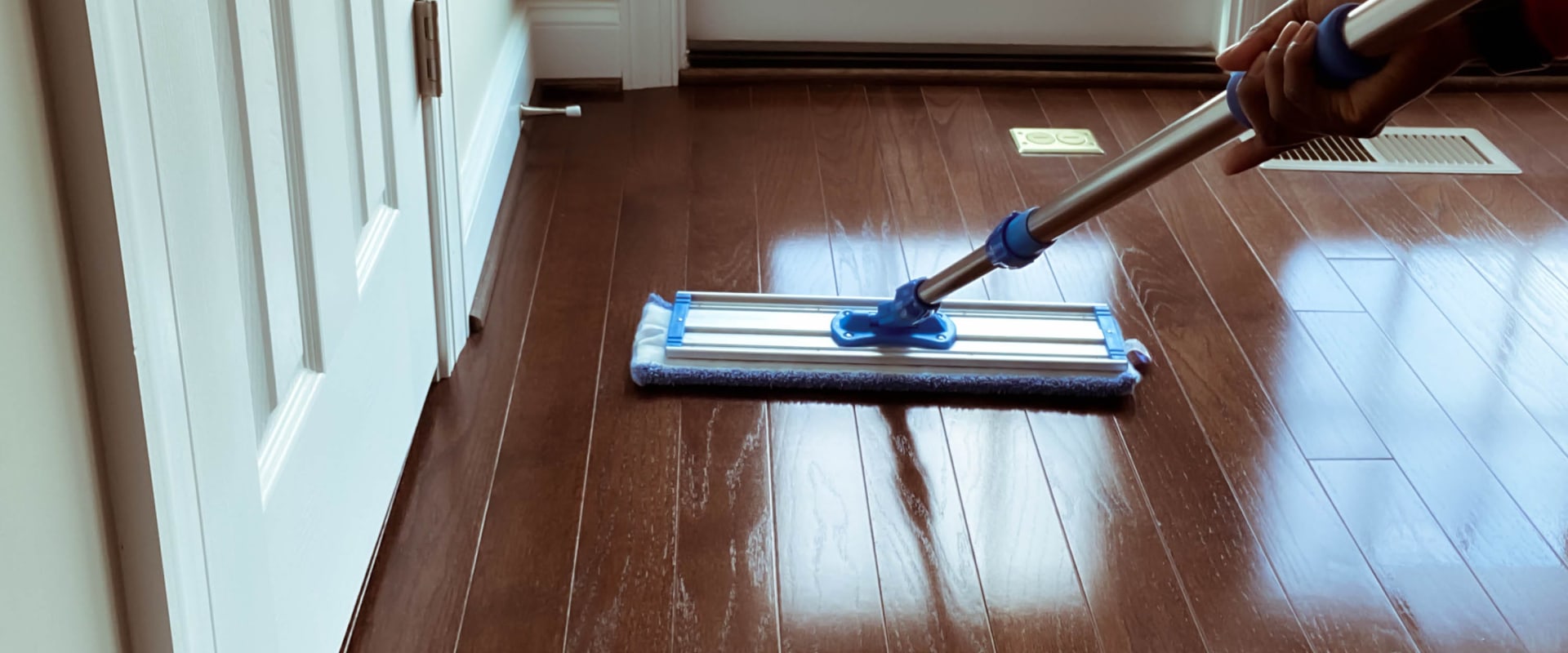
Hardwood floors are a timeless choice for many homeowners, celebrated for their natural beauty and durability. These floors come in various types, including oak, maple, cherry, and hickory, each offering unique grain patterns and colors that can enhance the aesthetic of any room. Their popularity in residential settings is largely due to their ability to complement a wide range of interior designs, from traditional to modern. However, the allure of hardwood floors comes with the responsibility of proper floor care. Unlike other flooring options, hardwood requires specific maintenance practices to preserve its finish and prevent damage.
Regular cleaning and appropriate care are essential to maintain the floor's luster and extend its lifespan. This includes understanding the right cleaning tools and methods that are safe for hardwood surfaces. Using a regular mop on hardwood floors can lead to unintended consequences, such as water damage or scratches. Therefore, it is crucial for homeowners to familiarize themselves with the best practices for maintaining their hardwood floors. By investing time in learning about hardwood floor care, you can ensure that your investment remains beautiful and functional for years to come.
The Risks of Using a Regular Mop on Hardwood Floors
Using a regular mop on hardwood floors may seem like a convenient cleaning solution, but it poses several risks that can lead to significant damage over time.Understanding these risks is crucial for maintaining the beauty and integrity of your hardwood surfaces.
Water Damage
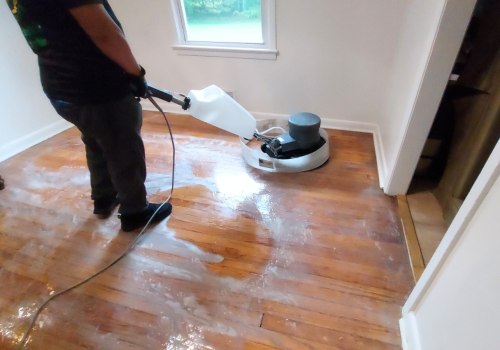
- Hardwood floors are particularly sensitive to moisture. Regular mops often use excessive water, which can seep into the seams and cause the wood to swell, warp, or even develop mold.
- Even if the mop is damp rather than soaking wet, prolonged exposure to moisture can lead to long-term issues, including buckling and cupping of the floorboards.
Scratches and Scuff Marks
- The materials used in regular mops, such as rough cotton or synthetic fibers, can scratch the surface of hardwood floors. These scratches not only mar the appearance but can also make the floor more susceptible to dirt accumulation.
- Additionally, if dirt or debris is trapped in the mop head, it can act like sandpaper against the wood, exacerbating the problem.
Deterioration of Finish
- Many hardwood floors are coated with a protective finish that enhances their durability and shine. Regular mopping can wear down this finish over time, leading to dullness and requiring costly refinishing.
- Using harsh cleaning solutions with a regular mop can further strip away this protective layer, leaving the wood vulnerable to stains and damage.
Opting for specialized cleaning tools designed for hardwood care will help preserve your floors' beauty and longevity.
Recommended Cleaning Tools for Hardwood Floors
When it comes to residential floor care, selecting the right cleaning tools for hardwood floors is crucial to maintain their beauty and longevity. Using the appropriate tools not only ensures effective cleaning but also protects the wood from damage.Best Mops for Hardwood Floors
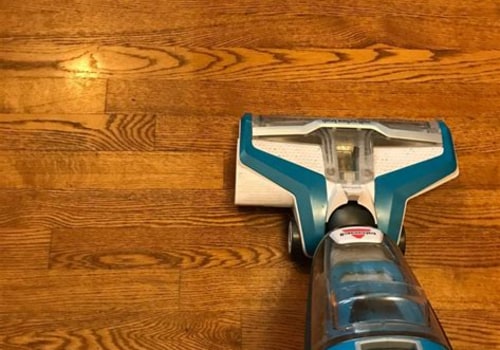
The best mops for hardwood floors are those specifically designed to be gentle yet effective. Here are some top choices:- Microfiber Mops: These mops are highly recommended due to their ability to trap dirt and dust without scratching the surface. The soft fibers are perfect for hardwood, ensuring a thorough clean while being gentle on the finish.
- Spin Mops: Spin mops allow for easy wringing, which helps control the amount of water used.
Excess moisture can damage hardwood, so having a mop that minimizes water usage is essential.
- Steam Mops: While steam mops can be effective, they should be used with caution. Ensure that your hardwood is sealed properly before using steam, as excessive heat and moisture can warp the wood.
Microfiber Mop Benefits
Using a microfiber mop offers several advantages:- Effective Cleaning: Microfiber mops can pick up more dirt and debris compared to traditional mops, making them ideal for maintaining clean hardwood floors.
- Eco-Friendly: Many microfiber mops can be washed and reused multiple times, reducing waste and the need for disposable cleaning products.
- Gentle on Surfaces: The soft texture of microfiber ensures that your hardwood floors remain scratch-free while still achieving a deep clean.
How to Properly Clean Hardwood Floors
Cleaning hardwood floors requires a careful approach to maintain their beauty and longevity. Here’s a step-by-step guide to ensure your hardwood floors are cleaned effectively:- Gather Your Supplies: Before you start, collect the necessary cleaning supplies.
You will need a soft-bristle broom or vacuum, a microfiber mop, a bucket, and a hardwood floor cleaner that is safe for your specific finish.
- Dust and Sweep: Begin by removing dust and debris from the floor. Use a soft-bristle broom or a vacuum with a hardwood floor attachment to avoid scratching the surface. This step is crucial as it prevents dirt from scratching the finish during mopping.
- Prepare the Cleaning Solution: Fill a bucket with warm water and add the recommended amount of hardwood floor cleaner. Always follow the manufacturer’s instructions to avoid damaging your floors.
- Mop the Floor: Dip the microfiber mop into the cleaning solution, then wring it out thoroughly.
The mop should be damp, not soaking wet, as excess water can seep into seams and cause damage. Start mopping in sections, working your way from one end of the room to the other.
- Rinse (if necessary): Depending on the cleaner used, you may need to rinse the floor with clean water afterward. If so, use a separate mop or cloth dampened with clean water to go over the area again.
- Dry the Floor: After mopping, allow your hardwood floors to air dry completely. If you notice any excess moisture, wipe it up immediately with a dry microfiber cloth.
- Avoid Excess Water: Always use a damp mop rather than soaking wet to prevent water damage.
- Use Area Rugs: Place rugs in high-traffic areas to protect your floors from scratches and wear.
- Sweep Regularly: Make it a habit to sweep or vacuum your hardwood floors at least once a week to keep them free of dirt and debris.
Common Mistakes to Avoid When Cleaning Hardwood Floors
Maintaining the beauty and integrity of hardwood floors requires careful attention to cleaning methods.Unfortunately, many homeowners make common mistakes that can lead to damage or diminished appearance. Here are some pitfalls to avoid:
- Using Excess Water: One of the biggest mistakes is using too much water when mopping. Hardwood floors are sensitive to moisture, and excess water can seep into seams, causing warping or swelling. Instead, use a damp mop and ensure it is not soaking wet.
- Choosing the Wrong Cleaning Products: Not all cleaning solutions are suitable for hardwood.
Avoid harsh chemicals or abrasive cleaners that can strip the finish. Opt for products specifically designed for residential floor care.
- Neglecting Regular Maintenance: Skipping regular cleaning can lead to dirt buildup, which can scratch the surface over time. Establish a routine that includes sweeping or vacuuming to remove debris before mopping.
- Using a Regular Mop: Many homeowners mistakenly believe that a standard mop is sufficient for hardwood floors. However, traditional mops can leave excess water behind and may not effectively clean without scratching.
Instead, consider using a microfiber mop that is gentle yet effective.
- Ignoring Spills Promptly: Allowing spills to sit can lead to stains and damage. Always clean up spills immediately with a soft cloth to prevent moisture from penetrating the wood.
FAQs About Cleaning Hardwood Floors
When it comes to cleaning hardwood floors, many homeowners have questions about the best practices and tools to use. Here are some frequently asked questions that can help clarify common concerns.Can I use a regular mop on hardwood floors?
Using a regular mop on hardwood floors is generally not recommended.Traditional mops can hold too much water, which can seep into the seams of the wood and cause damage over time. Instead, consider using a microfiber mop that is specifically designed for hardwood surfaces. These mops are less likely to retain excess moisture and are more effective at picking up dirt and debris.
What are some alternatives to traditional mops?
- Microfiber mops: These are ideal for hardwood floors as they trap dust and dirt without scratching the surface.
- Steam mops: While they can be effective, ensure your hardwood is sealed properly before using one, as excessive heat and moisture can cause warping.
- Dust mops: Great for daily maintenance, dust mops can help keep your floors clean without the need for wet cleaning.
What are the best practices for floor care?
To maintain your hardwood floors in top condition, follow these best practices:- Regular sweeping or vacuuming: Remove dirt and debris regularly to prevent scratches.
- Use protective pads: Place felt pads under furniture legs to avoid scratches when moving items.
- Avoid harsh chemicals: Use cleaners specifically formulated for hardwood floors to avoid damaging the finish.
- Control humidity: Keep indoor humidity levels between 30-50% to prevent wood from expanding or contracting.
Conclusion: Best Practices for Residential Floor Care
In conclusion, maintaining the beauty and integrity of your hardwood floors requires a thoughtful approach to residential floor care. Using a regular mop on hardwood can lead to damage, as excessive moisture can seep into the wood, causing warping and other issues.Instead, it is essential to utilize tools specifically designed for hardwood maintenance.
Key Practices for Effective Hardwood Floor Care:
- Choose the Right Mop: Opt for a microfiber mop or a damp mop that is safe for hardwood surfaces. These options effectively clean without introducing too much water.
- Regular Dusting: Frequent dusting with a soft broom or vacuum equipped with a hardwood setting helps prevent scratches and keeps your floors looking pristine.
- Use Appropriate Cleaners: Select cleaners that are specifically formulated for hardwood floors. Avoid harsh chemicals that can strip the finish and damage the wood.
- Implement a Cleaning Schedule: Establish a routine cleaning schedule that includes sweeping or vacuuming weekly and mopping monthly to maintain your floors' appearance.
- Address Spills Promptly: Wipe up spills immediately to prevent moisture from penetrating the wood. Use a soft cloth and a suitable cleaner to treat any stains.
Remember, investing time in proper care not only enhances the aesthetic appeal of your home but also prolongs the life of your flooring investment.