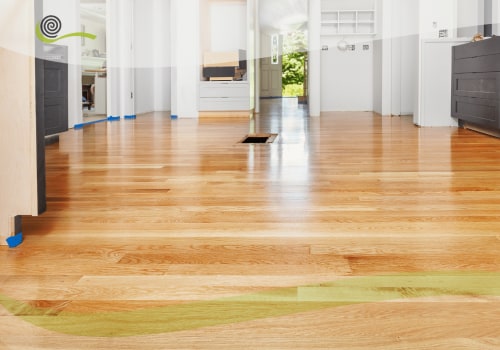
Laminate flooring has become a popular choice for homeowners seeking a blend of style, durability, and affordability. Comprised of multiple layers, laminate flooring typically features a high-density fiberboard core topped with a photographic layer that mimics the appearance of natural materials like wood or stone. This innovative construction not only enhances the aesthetic appeal of any room but also provides a resilient surface that can withstand the rigors of daily life. One of the primary benefits of laminate flooring is its resistance to scratches and stains, making it an ideal option for households with pets or children. Additionally, laminate is easy to install and maintain, which adds to its allure for busy families.
With various styles and finishes available, homeowners can achieve the look they desire without the high costs associated with traditional hardwood or stone flooring. Understanding the different types of laminate flooring is crucial for making an informed decision. Options range from standard laminate to water-resistant varieties, each designed to cater to specific needs and environments. As you explore the best ways to maintain your laminate floors, recognizing their unique characteristics will help you choose the most effective cleaning methods, ensuring your investment remains in top condition for years to come.
Why Proper Cleaning is Essential for Laminate Floors
Maintaining the cleanliness of your laminate floors is not just about aesthetics; it plays a crucial role in their longevity and overall hygiene.Proper cleaning
ensures that your floors remain in excellent condition, preventing damage and wear over time. One of the primary reasons for regular cleaning is to preserve the appearance of your laminate floors.Dust, dirt, and grime can accumulate quickly, leading to a dull and lifeless look. By implementing a consistent cleaning routine, you can keep your floors looking vibrant and new, enhancing the overall ambiance of your home. Moreover, hygiene is another significant factor to consider. Laminate floors can harbor allergens, bacteria, and other harmful particles that may affect indoor air quality. Regular cleaning helps eliminate these contaminants, creating a healthier living environment for you and your family. In addition to appearance and hygiene, laminate floor maintenance is essential for preventing costly repairs or replacements.
When dirt and debris are left unchecked, they can scratch the surface of the laminate, leading to irreversible damage. By using appropriate cleaning methods and products specifically designed for laminate flooring, you can extend the life of your floors significantly. To summarize, the importance of maintaining clean laminate floors cannot be overstated. A well-maintained floor not only enhances the beauty of your home but also contributes to a healthier living space and reduces long-term costs associated with repairs. Therefore, investing time in residential floor care is a wise decision that pays off in numerous ways.
Best Practices for Cleaning Laminate Floors
Cleaning laminate floors requires a careful approach to maintain their appearance and longevity.Here are some best practices for effective cleaning:
Dry Cleaning Methods
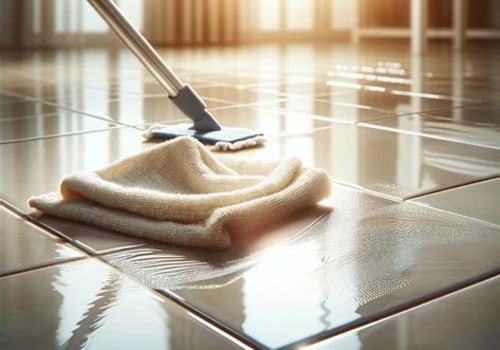
Before applying any wet cleaning techniques, it’s essential to remove dust and debris. Here are some effective dry cleaning methods:- Microfiber Mop: Use a microfiber mop to trap dust and dirt without scratching the surface. This method is ideal for regular maintenance.
- Broom and Dustpan: A soft-bristled broom can effectively sweep away larger particles. Follow up with a dustpan to collect the debris.
- Vacuum Cleaner: If you prefer vacuuming, ensure your vacuum has a setting for hard floors to avoid damaging the laminate.
Wet Cleaning Techniques
Once the floor is free of dust, you can proceed with wet cleaning.Here are some recommended methods:
- Damp Mop: Use a damp mop with warm water and a few drops of mild dish soap. Avoid soaking the floor, as excess water can seep into seams and cause damage.
- Commercial Cleaners: There are many cleaning products specifically designed for laminate floors. Always follow the manufacturer’s instructions and test in an inconspicuous area first.
Additional Tips for Residential Floor Care
To keep your laminate floors looking their best, consider these additional tips:- Avoid Harsh Chemicals: Steer clear of abrasive cleaners or those containing ammonia, as they can dull the finish.
- Regular Maintenance: Establish a routine cleaning schedule to prevent dirt buildup and maintain shine.
- Protective Measures: Use area rugs in high-traffic zones and felt pads under furniture legs to minimize scratches.
Tools and Products for Cleaning Laminate Floors
When it comes to cleaning laminate floors, having the right tools and products is essential for maintaining their appearance and longevity. Here’s a list of recommended items that are both safe and effective for your residential floor care routine.- Microfiber Mop: A microfiber mop is ideal for laminate flooring as it effectively traps dirt and dust without scratching the surface.
Look for a mop with a removable, washable pad for easy maintenance.
- Soft-Bristled Broom: For daily cleaning, a soft-bristled broom can help sweep away debris without damaging the laminate. Avoid using stiff bristles that may scratch the floor.
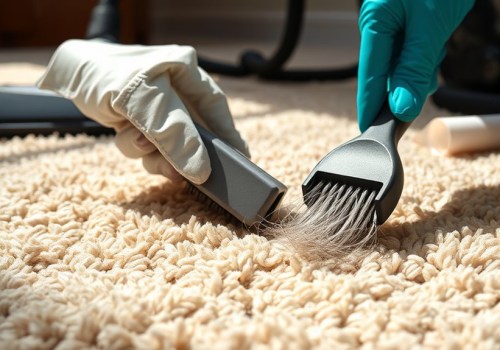
- Vacuum Cleaner: A vacuum cleaner with a hard floor setting is perfect for laminate floors. Ensure it has a soft brush attachment to prevent scratches while effectively removing dirt and pet hair.
- Laminate Floor Cleaner: Choose a cleaner specifically formulated for laminate flooring. These products are designed to clean without leaving residue or damaging the finish.
Look for pH-balanced options that are safe for regular use.
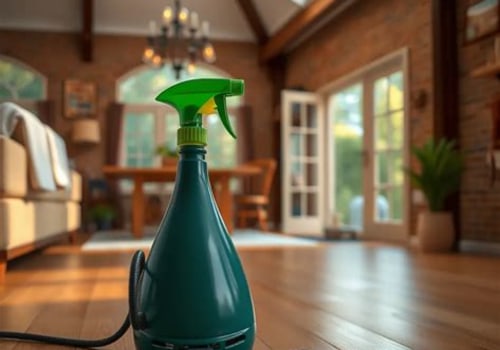
- Water and Vinegar Solution: For a natural cleaning solution, mix equal parts of water and white vinegar in a spray bottle. This solution can help remove stains and grime without harming the laminate.
Common Mistakes to Avoid When Cleaning Laminate Floors
Cleaning laminate floors can be straightforward, but many homeowners make common mistakes that can lead to damage or reduced lifespan of their flooring. Understanding what not to do is crucial for effective residential floor care.- Using Excess Water: One of the biggest mistakes is using too much water when cleaning.
Laminate floors are not waterproof, and excess moisture can seep into the seams, causing warping and swelling. Always use a damp mop rather than soaking it.
- Choosing the Wrong Cleaning Products: Not all cleaners are suitable for laminate. Avoid using abrasive cleaners, waxes, or oil-based products, as they can leave a residue or dull the finish. Instead, opt for a cleaner specifically designed for laminate floors.
- Neglecting Regular Maintenance: Failing to regularly sweep or vacuum can lead to dirt and debris scratching the surface.
Make it a habit to clean up spills immediately and perform regular maintenance to keep your floors looking their best.
- Using a Steam Mop: Steam mops may seem like an efficient cleaning tool, but the heat and moisture can damage laminate flooring. Stick to traditional mopping methods with minimal water.
- Ignoring Manufacturer Guidelines: Each laminate floor brand may have specific care instructions. Ignoring these guidelines can lead to unintended damage. Always refer to the manufacturer’s recommendations for cleaning and maintenance.
Proper residential floor care not only enhances the appearance of your home but also protects your investment.
FAQs About Cleaning Laminate Floors
Cleaning laminate floors can raise several questions, especially for homeowners looking to maintain their residential floor care effectively. Here are some frequently asked questions that can help clarify the best practices for keeping your laminate floors in top condition.- Can I use a steam mop on laminate floors?
No, it is not recommended to use a steam mop on laminate floors. The heat and moisture can cause the planks to warp or swell, damaging the floor. - What is the best way to remove stains from laminate flooring?
For most stains, a mixture of warm water and a few drops of dish soap works well. Apply the solution with a soft cloth and gently scrub the area.For tougher stains, consider using a laminate floor cleaner specifically designed for this purpose.
- How often should I clean my laminate floors?
It’s advisable to sweep or vacuum your laminate floors at least once a week to remove dirt and debris. A deeper clean with a damp mop should be done every month or as needed, depending on foot traffic. - Are there any cleaning products I should avoid?
Yes, avoid using abrasive cleaners, bleach, or any products containing ammonia. These can damage the finish of your laminate flooring. - Can I use vinegar to clean laminate floors?
While vinegar is a natural cleaner, it’s best to avoid using it on laminate floors as it can dull the finish over time. Stick to pH-balanced cleaners designed for laminate surfaces.
Conclusion: Maintaining Your Laminate Floors for Longevity
In conclusion, maintaining your laminate floors is essential for ensuring their longevity and aesthetic appeal.By following the right residential floor care practices, you can keep your floors looking new and extend their lifespan significantly. To recap, here are the key points to remember:
- Regular Cleaning: Sweep or vacuum your laminate floors regularly to remove dirt and debris that can scratch the surface.
- Use the Right Cleaning Solutions: Opt for a pH-balanced cleaner specifically designed for laminate flooring. Avoid harsh chemicals that can damage the finish.
- Moisture Control: Always use a damp mop rather than soaking wet to prevent water damage. Excess moisture can warp the laminate over time.
- Protective Measures: Place mats at entryways and use furniture pads to prevent scratches and dents from heavy items.
- Immediate Spill Management: Clean spills promptly to avoid staining or damaging the laminate surface.
Investing time in maintenance will pay off in the long run, making your home more inviting and comfortable.