Hardwood floors are a timeless addition to any home, offering both aesthetic appeal and durability. However, to maintain their beauty and longevity, proper hardwood floor care is essential. Understanding the unique characteristics of hardwood is the first step in ensuring that your floors remain in pristine condition. Unlike other flooring options, hardwood is susceptible to scratches, dents, and moisture damage, making it crucial to adopt a tailored approach to residential floor care.Regular maintenance not only enhances the visual appeal of your floors but also protects your investment.
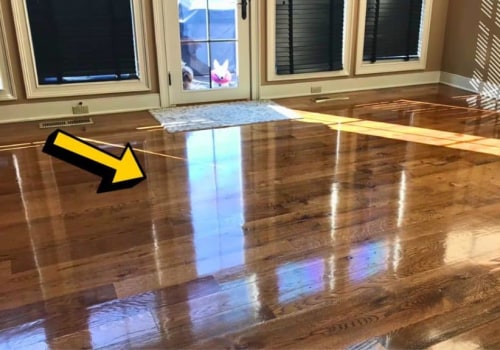
Over time, dirt and grime can accumulate, leading to dullness and potential damage if not addressed promptly. By implementing a consistent cleaning routine and using appropriate products, you can preserve the natural luster of your hardwood floors. This section will guide you through the necessary steps for effective hardwood floor maintenance, ensuring that your floors remain a stunning focal point in your home. As we delve deeper into the cleaning process, it’s important to remember that each type of hardwood may require specific care techniques. Factors such as finish type, foot traffic, and environmental conditions can influence how you should clean and maintain your floors.
By understanding these nuances, you can tailor your cleaning strategy to meet the unique needs of your hardwood flooring.
Gathering the Right Cleaning Supplies
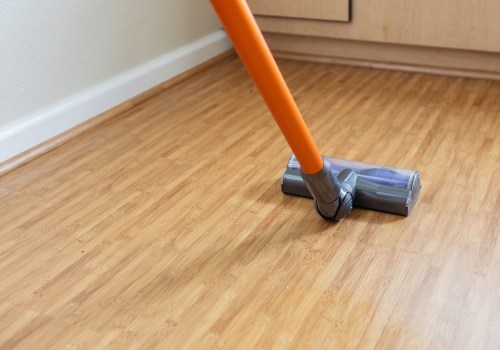
To effectively clean and maintain your hardwood floors, gathering the right cleaning supplies is essential. Using the appropriate tools and products not only ensures a thorough clean but also helps preserve the quality and longevity of your flooring.- Broom or Vacuum Cleaner: Start with a soft-bristle broom or a vacuum cleaner designed for hardwood floors. This will help remove dust, dirt, and debris without scratching the surface.
- Mop: A microfiber mop is ideal for hardwood floor care. It is gentle on the surface while effectively picking up dirt and grime.
- Cleaning Solution: Choose a pH-balanced cleaner specifically formulated for hardwood floors.
Avoid harsh chemicals that can damage the finish. Look for products that are labeled as safe for residential floor care.
- Bucket: If you’re using a traditional mop, a bucket is necessary for mixing your cleaning solution with water. Ensure it’s clean to avoid introducing any contaminants to your floor.
- Soft Cloths: Microfiber cloths are perfect for spot cleaning and drying areas after mopping. They are gentle and won’t leave lint behind.
- Floor Polish or Wax (Optional): Depending on your floor's finish, you may want to apply a polish or wax periodically to enhance shine and protect the wood.
This not only benefits your floors but also contributes to a healthier indoor environment. Additionally, always follow the manufacturer's recommendations for cleaning and maintenance to ensure you are using the best products for your specific type of hardwood flooring.By investing in quality cleaning supplies, you can maintain the beauty of your hardwood floors while ensuring they remain in excellent condition for years to come.
Preparing Your Hardwood Floors for Cleaning
Before diving into the actual cleaning process, it’s essential to prepare your hardwood floors properly. This preparation ensures that you achieve the best results and maintain the integrity of your flooring. Here are the steps to follow:- Clear the Area: Start by removing all furniture, rugs, and any other items from the floor.
This not only provides you with a clear space to work but also prevents any damage to your belongings during the cleaning process.
- Dust and Sweep: Once the area is clear, use a soft-bristle broom or a microfiber dust mop to sweep away dust, dirt, and debris. This step is crucial as it prevents scratching the surface of your hardwood floors during cleaning.
- Inspect for Damage: Take this opportunity to inspect your hardwood floors for any signs of damage, such as scratches or dents. Addressing these issues before cleaning can help you determine if any repairs are needed.
- Vacuum Thoroughly: After sweeping, use a vacuum cleaner with a hardwood floor attachment to pick up any remaining particles. Ensure that the vacuum is set to a low setting to avoid damaging the wood.
- Prepare Cleaning Solutions: Depending on your cleaning method, prepare your cleaning solution.
If using a commercial product, ensure it’s safe for hardwood floors. Alternatively, you can create a gentle solution using warm water and a few drops of dish soap.
Choosing the Right Cleaning Method
When it comes to cleaning hardwood floors, selecting the right method is crucial for maintaining their beauty and longevity. Different cleaning techniques can yield varying results, so understanding each method will help you choose the best approach for your specific needs.Dry Mopping
One of the simplest and most effective ways to keep your hardwood floors clean is through dry mopping.This method involves using a microfiber mop or a soft-bristle broom to remove dust, dirt, and debris without the use of water. Regular dry mopping prevents scratches and keeps your floors looking polished.
Damp Mopping
For deeper cleaning, damp mopping is recommended. This technique involves lightly dampening a microfiber mop with a solution specifically designed for hardwood floors. It’s important to ensure that the mop is not soaking wet, as excess water can damage the wood.A good rule of thumb is to wring out the mop until it’s just slightly damp before cleaning.
Using Specific Cleaners
Choosing the right cleaner is essential for effective residential floor care. Look for products that are pH-balanced and specifically formulated for hardwood floors. Avoid harsh chemicals or abrasive cleaners that can strip the finish or cause discoloration. Always follow the manufacturer’s instructions for application.Spot Cleaning
For stubborn stains or spills, spot cleaning is necessary.Use a soft cloth and a small amount of the appropriate cleaner to gently treat the affected area. Be sure to test any cleaner on an inconspicuous spot first to ensure it does not damage the finish.In summary, the best way to clean hardwood floors involves a combination of dry mopping, damp mopping, and using suitable cleaners tailored for wood surfaces. By adopting these methods, you can maintain your hardwood floors in pristine condition while enhancing their natural beauty.
Step-by-Step Guide to Cleaning Hardwood Floors
Cleaning hardwood floors is essential for maintaining their beauty and longevity. Follow this step-by-step guide to ensure your floors are cleaned effectively.- Gather Your Supplies: Before you start, collect all necessary cleaning supplies.
You will need:
- A soft-bristle broom or vacuum cleaner with a hardwood floor attachment
- A microfiber mop
- Wood floor cleaner (ensure it’s safe for your specific type of finish)
- A bucket
- Optional: A damp cloth for spot cleaning
- Remove Loose Dirt and Debris: Begin by sweeping or vacuuming the floor to remove any loose dirt, dust, and debris. This step is crucial as it prevents scratching the surface during mopping.
- Prepare the Cleaning Solution: If using a commercial wood floor cleaner, follow the manufacturer’s instructions for dilution. If you prefer a homemade solution, mix a few drops of dish soap in a bucket of warm water.
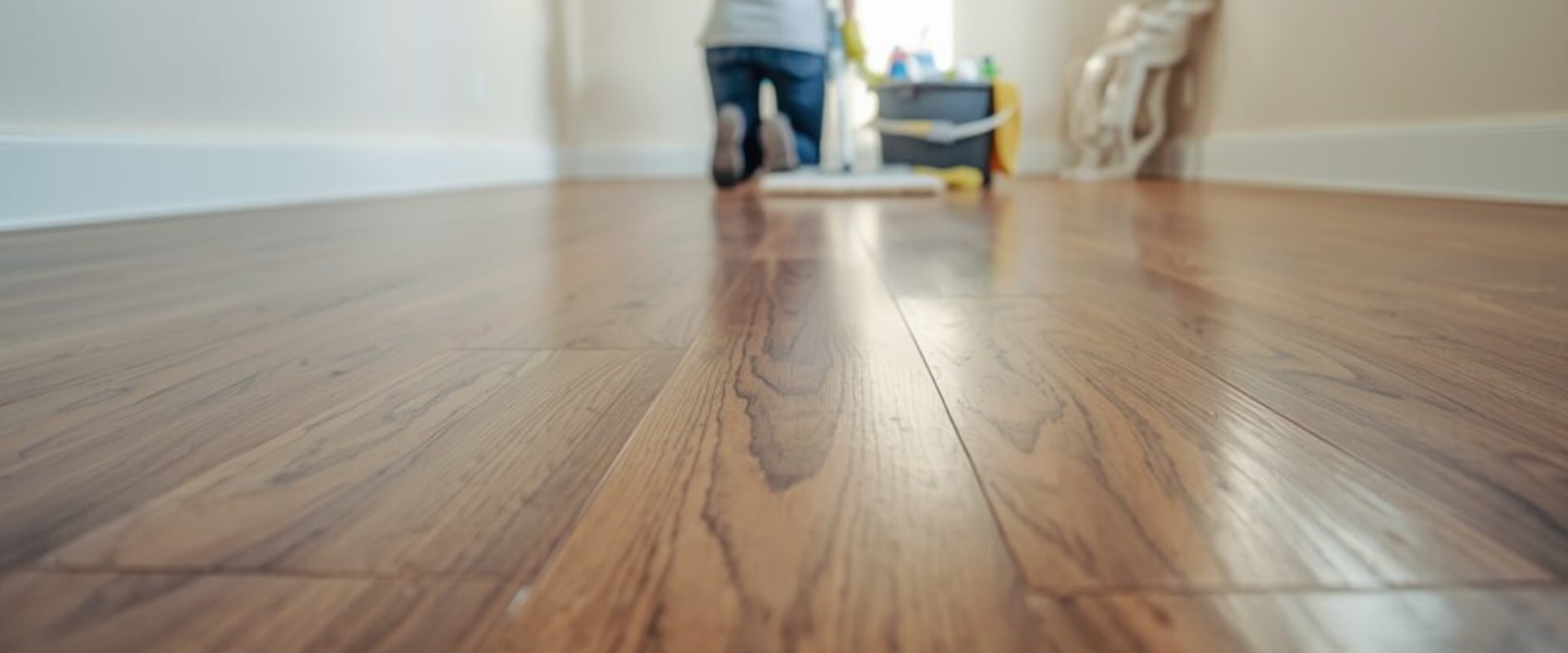
- Mop the Floor: Dip the microfiber mop into the cleaning solution, wring it out thoroughly to avoid excess water, and start mopping in sections. Always mop in the direction of the wood grain to avoid streaks.
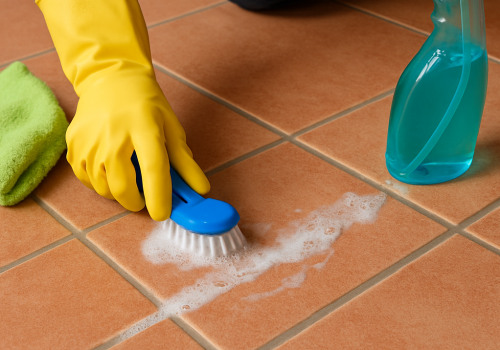
- Spot Clean Stains: For stubborn stains, use a damp cloth with a bit of the cleaning solution to gently scrub the area.
Avoid using abrasive materials that could damage the finish.
- Dry the Floor: After mopping, allow the floor to air dry completely. If necessary, you can use a dry microfiber cloth to speed up the drying process and ensure no water remains on the surface.
- Regular Maintenance: To keep your hardwood floors looking their best, establish a regular cleaning schedule. Sweep or vacuum weekly and mop monthly to prevent buildup of dirt and grime.
Dealing with Stains and Scuffs on Hardwood Floors
Hardwood floors are a beautiful addition to any home, but they can be susceptible to stains and scuffs that detract from their natural beauty. Understanding how to effectively deal with these issues is essential for maintaining the appearance of your floors.Common Stains on Hardwood Floors
Stains can arise from various sources, including food spills, pet accidents, and even water damage.Here are some common types of stains and how to remove them:
- Water Stains: To tackle water stains, mix equal parts of vinegar and water. Dampen a cloth with the solution and gently rub the stained area. Wipe dry with a clean cloth.
- Food and Beverage Stains: For sticky residues from food or drinks, use a mild dish soap mixed with warm water. Apply the solution with a soft cloth, then rinse with a damp cloth.
- Pet Urine Stains: Blot the area immediately with paper towels.
Then, apply a mixture of white vinegar and water (1:1 ratio) to neutralize odors and clean the stain.
Fixing Scuffs on Hardwood Floors
Scuffs are often caused by furniture or shoes and can be easily fixed with a few simple methods:- Rubber Eraser: A simple rubber eraser can effectively remove light scuff marks. Gently rub the eraser over the scuff until it disappears.
- Baking Soda Paste: Create a paste using baking soda and water. Apply it to the scuff mark and gently rub with a soft cloth before wiping clean.
- Commercial Scuff Remover: For tougher scuffs, consider using a commercial hardwood floor cleaner specifically designed for removing scuffs without damaging the finish.
Maintaining Your Hardwood Floors After Cleaning
Once you have successfully cleaned your hardwood floors, the next crucial step is to focus on maintaining them to ensure their longevity and beauty.Regular upkeep not only enhances the appearance of your floors but also protects your investment in residential floor care.
Regular Cleaning Routine
Establishing a consistent cleaning routine is essential. Here are some tips:- Dust and Sweep: Use a soft-bristle broom or a microfiber dust mop to remove dirt and debris at least once a week.
- Mop Sparingly: When mopping, use a damp mop with a cleaner specifically designed for hardwood floors. Avoid excessive water, as it can damage the wood.
- Spot Clean: Address spills immediately with a soft cloth to prevent stains and moisture damage.
Protective Measures
To further extend the life of your hardwood floors, consider implementing these protective measures:- Use Area Rugs: Place area rugs in high-traffic zones to minimize wear and tear.
- Furniture Pads: Attach felt pads to the bottom of furniture legs to prevent scratches when moving items.
- Avoid High Heels: Encourage family members and guests to avoid walking on hardwood floors with high heels, as they can cause dents.
Humidity Control
Maintaining an appropriate humidity level in your home is vital for hardwood floor care. Aim for a humidity level between 30% and 50%.This helps prevent the wood from expanding or contracting, which can lead to gaps or warping.By following these maintenance tips, you can keep your hardwood floors looking pristine and extend their lifespan significantly. Remember, ongoing care is just as important as the initial cleaning process!
Frequently Asked Questions About Hardwood Floor Care
When it comes to residential floor care, homeowners often have questions about the best practices for maintaining their hardwood floors. Here are some frequently asked questions that can help you keep your floors looking pristine.1.How often should I clean my hardwood floors?
It is recommended to clean your hardwood floors at least once a week. Regular sweeping or vacuuming helps remove dirt and debris that can scratch the surface.Additionally, a deeper cleaning with a suitable hardwood floor cleaner should be done every month or as needed, depending on foot traffic.
2.What cleaning products are safe for hardwood floors?
Always opt for cleaners specifically designed for hardwood floors. Avoid using harsh chemicals or abrasive cleaners, as they can damage the finish. Look for pH-balanced solutions that are gentle yet effective.Natural options
, such as a mixture of vinegar and water, can also be used sparingly.3.Can I use a steam mop on my hardwood floors?
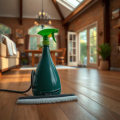
While steam mops are popular for cleaning various surfaces, they are not recommended for hardwood floors.The heat and moisture can penetrate the wood, leading to warping and damage over time. Instead, use a damp mop with a suitable cleaner.
4.How do I remove scratches from my hardwood floor?
Minor scratches can often be repaired using a wood filler or a touch-up marker that matches your floor's finish. For deeper scratches, consider sanding the area lightly and applying a matching stain followed by a protective finish.5.What should I do if my hardwood floor gets wet?
If water spills occur, it’s crucial to act quickly. Wipe up any excess water immediately with a soft cloth to prevent damage.If the floor has absorbed moisture, use fans or dehumidifiers to help dry it out thoroughly.By addressing these common concerns, you can ensure that your hardwood floors remain beautiful and durable for years to come. Regular maintenance and proper care are key components of effective residential floor care.
Conclusion: The Importance of Regular Hardwood Floor Care
In conclusion, maintaining the beauty and longevity of your hardwood floors through regular cleaning and care is essential for any residential setting. As we have discussed, the steps for cleaning a hardwood floor are straightforward yet crucial for preserving its natural charm and durability. By implementing a consistent cleaning routine that includes sweeping or vacuuming to remove dirt and debris, followed by mopping with a suitable hardwood floor cleaner, you can significantly reduce the risk of scratches and damage. Additionally, using protective pads under furniture and avoiding harsh chemicals will further enhance the lifespan of your floors. Moreover, it’s important to recognize that seasonal maintenance plays a vital role in hardwood floor care.Changes in humidity and temperature can affect the wood, leading to expansion or contraction. Regularly checking for signs of wear and tear, such as scratches or dullness, allows homeowners to address issues promptly before they escalate. Ultimately, investing time in residential floor care not only keeps your hardwood floors looking pristine but also contributes to a healthier living environment. Dust and allergens can accumulate on unclean surfaces, impacting indoor air quality. Therefore, a clean floor is not just about aesthetics; it’s about creating a safe and welcoming home. In summary, the importance of regular hardwood floor care cannot be overstated.
By following the outlined steps and being proactive in maintenance, you ensure that your investment remains beautiful and functional for years to come.