Tile floors are a popular choice for many homeowners due to their durability, versatility, and aesthetic appeal. There are several types of tile flooring available, including ceramic, porcelain, and natural stone, each offering unique characteristics that cater to different needs and preferences. Ceramic tiles are known for their affordability and wide range of designs, while porcelain tiles provide enhanced durability and moisture resistance, making them ideal for high-traffic areas. Natural stone tiles, such as granite or marble, add a touch of luxury but require more maintenance to preserve their beauty. The benefits of tile flooring extend beyond mere appearance.
Tile is inherently resistant to stains and moisture, making it an excellent choice for kitchens and bathrooms. Additionally, tile floors can help regulate indoor temperatures, providing a cooler surface in the summer and warmth when paired with radiant heating systems in the winter. These features not only enhance comfort but also contribute to the overall value of your home. However, to fully enjoy these advantages, proper residential floor care is essential. Regular maintenance not only prolongs the life of your tile floors but also keeps them looking their best.
Understanding the specific requirements for different types of tile is crucial in developing an effective cleaning routine. In the following sections, we will explore the best practices for maintaining tile floors, ensuring they remain a stunning feature in your home for years to come.
Daily Maintenance Practices
Maintaining the beauty and longevity of your tile floors requires consistent daily maintenance practices. By incorporating simple yet effective routines into your daily life, you can keep your floors looking pristine and extend their lifespan.1.Sweeping or Vacuuming
- Start each day by sweeping or vacuuming your tile floors to remove dust, dirt, and debris. This prevents particles from scratching the surface and helps maintain a clean appearance.
- Use a soft-bristle broom or a vacuum with a hard floor setting to avoid damaging the tiles.
2.Mopping
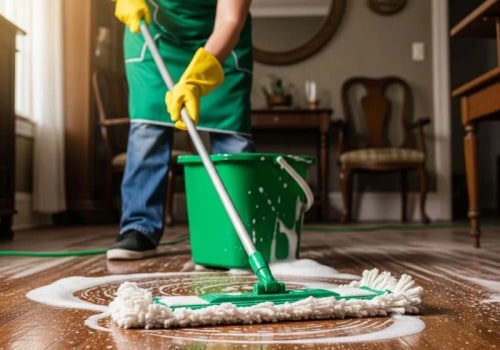
- After sweeping, mop your tile floors at least once a week to remove any stubborn stains or grime.
For daily maintenance, a damp mop with warm water can suffice.
- For deeper cleaning, consider using a pH-neutral cleaner specifically designed for tile floors. Avoid harsh chemicals that can dull the finish.
3.Spot Cleaning
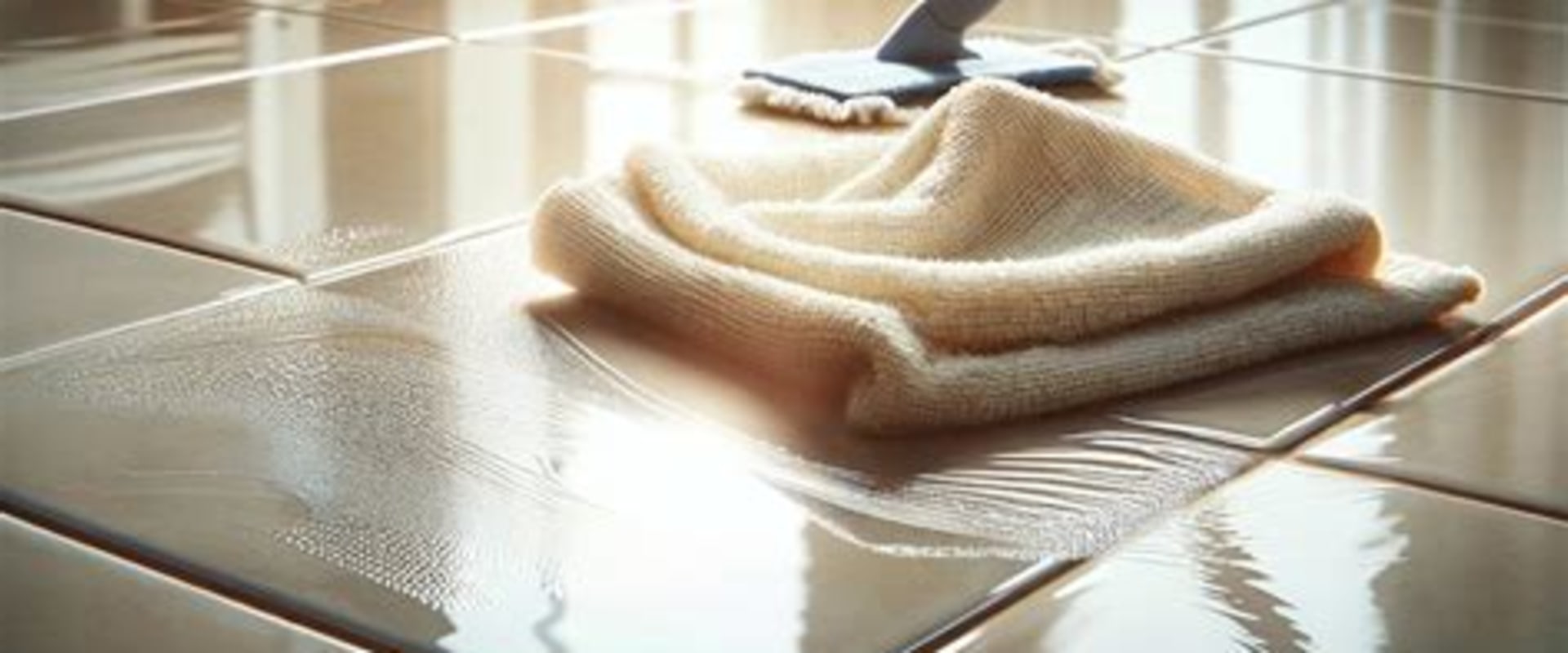
- Accidents happen! If you spill something on your tile floor, clean it up immediately to prevent stains. Use a soft cloth or paper towel to blot the area.
- For sticky residues, a gentle cleaner can help lift the mess without damaging the tile.
4.Area Rugs and Mats
- Place area rugs or mats in high-traffic areas to protect your tile floors from scratches and wear. This is especially important in entryways and kitchens.
- Ensure that these rugs have non-slip backing to prevent accidents.
Consistency is key; making these tasks part of your routine will yield long-lasting results and keep your home looking its best.
Weekly and Monthly Cleaning Routines
Maintaining the beauty and longevity of your tile floors requires a consistent cleaning routine. Establishing weekly and monthly cleaning routines is essential to prevent dirt buildup and preserve the integrity of your tiles.Weekly Tile Floor Cleaning
During the week, it’s important to perform light cleaning to keep your tile floors looking their best. Here are some effective steps:- Sweep or Vacuum: Start by sweeping or vacuuming the floor to remove loose dirt and debris. This prevents scratches and keeps the surface clean.
- Mop with a Mild Cleaner: Use a damp mop with a pH-neutral cleaner specifically designed for tile floors.
Avoid harsh chemicals that can damage the grout.
- Spot Clean Stains: Address any spills or stains immediately. Use a soft cloth and a suitable cleaner to prevent stains from setting in.
Monthly Maintenance for Tile Floors
In addition to weekly cleaning, monthly maintenance is crucial for deeper care:- Deep Clean: Once a month, perform a more thorough cleaning. This can include using a steam cleaner or a specialized tile cleaner to remove embedded dirt.
- Inspect Grout Lines: Check the grout for discoloration or damage. If necessary, apply a grout cleaner or sealer to maintain its appearance and prevent moisture infiltration.
- Polish Tiles: Depending on the type of tile, consider applying a polish to enhance shine and protect against wear.
Regular maintenance not only keeps your floors looking pristine but also extends their lifespan, making it an essential part of residential floor care.
Choosing the Right Cleaning Products
When it comes to maintaining the beauty and longevity of your tile floors, choosing the right cleaning products is essential. Not all cleaners are suitable for every type of tile, and using the wrong product can lead to damage or dullness over time.Best Cleaning Products for Tile Floors
- pH-neutral cleaners: These are ideal for most tile surfaces, including ceramic and porcelain. They effectively remove dirt without harming the finish.
- Stone-specific cleaners: If you have natural stone tiles like marble or granite, opt for cleaners specifically formulated for stone. These products help maintain the stone's integrity and shine.
- Non-abrasive scrubs: For tough stains, use non-abrasive scrubbing pads or brushes to avoid scratching the tile surface.
Safe Cleaners for Residential Tiles
Safety is a priority when selecting cleaning products, especially in homes with children or pets.
Look for cleaners that are:
- Non-toxic: Ensure that the product is free from harmful chemicals that can affect indoor air quality.
- Biodegradable: These products break down naturally and are less harmful to the environment.
- Fragrance-free: Opting for unscented options can help reduce allergic reactions and sensitivities.
Eco-friendly Tile Floor Care
If you're looking to adopt a more sustainable approach to your cleaning routine, consider eco-friendly alternatives:
- Vinegar and water solution: A mixture of equal parts vinegar and water can effectively clean tile floors without harsh chemicals. However, avoid using it on natural stone tiles as it can etch the surface.
- Baking soda paste: For stubborn stains, create a paste with baking soda and water. Apply it to the stain, let it sit, then scrub gently before rinsing.
- Citrus-based cleaners: Many eco-friendly brands offer citrus-based cleaners that are effective and pleasant-smelling.
Dealing with Stains and Spills
Maintaining the beauty of your tile floors requires prompt attention to stains and spills. Quick action can prevent long-term damage and keep your floors looking pristine.Here are some effective strategies for dealing with common issues:
How to Remove Stains from Tile Floors
Different types of stains require different approaches. Here are some common stains and how to tackle them:- Food and Beverage Stains: For spills like wine or coffee, blot the area immediately with a clean cloth. Avoid rubbing, as this can spread the stain. Use a mixture of warm water and mild dish soap to gently clean the area.
- Grease Stains: Sprinkle baking soda on the stain and let it sit for a few minutes.
Then, scrub gently with a damp cloth or sponge. Rinse thoroughly with water.
- Ink Stains: Dab the stain with rubbing alcohol on a cotton ball. Test in an inconspicuous area first to ensure it doesn’t damage the tile finish.
Spill Cleanup on Tile
When a spill occurs, follow these steps for effective cleanup:- Act Quickly: The sooner you address a spill, the less likely it is to stain.
- Blot, Don’t Rub: Use a clean cloth or paper towel to blot up the liquid. Rubbing can push the liquid deeper into the tile.
- Use Appropriate Cleaners: For tough spills, consider using a pH-neutral cleaner specifically designed for tile floors.
- Rinse and Dry: After cleaning, rinse the area with clean water and dry it thoroughly to prevent slipping.
By following these tips, you can maintain your tile floors in excellent condition and extend their lifespan.
Preventive Measures to Protect Tile Floors
Maintaining the beauty and integrity of your tile floors requires a proactive approach. Implementing preventive measures can significantly reduce the risk of damage and prolong the life of your tiles.One of the most effective strategies is to use rugs and mats in high-traffic areas. Placing these protective barriers at entryways, kitchens, and hallways can help trap dirt and debris before they reach your tile surfaces. Choose mats with a non-slip backing to ensure safety and prevent them from sliding around.Additionally, consider using felt pads under furniture legs.This simple yet effective measure can prevent scratches and chips that often occur when moving furniture. Regularly check and replace these pads as they can wear down over time.Another important aspect of residential floor care is to avoid using harsh cleaning products that can damage the finish of your tiles. Instead, opt for pH-neutral cleaners specifically designed for tile surfaces. This will help maintain their shine while preventing any potential harm.Furthermore, be mindful of the type of footwear worn indoors.
High heels or shoes with hard soles can easily scratch tile floors. Encourage family members and guests to remove their shoes upon entering your home or provide soft slippers for indoor use.Lastly, regular maintenance is key. Schedule periodic inspections to identify any signs of wear or damage early on. Addressing issues promptly can save you from costly repairs down the line.By implementing these protective measures, you can ensure that your tile floors remain in excellent condition for years to come.
When to Seek Professional Help
Maintaining tile floors can often be a straightforward task, but there are certain situations where professional tile floor cleaning services become essential.Recognizing these scenarios can save you time, effort, and potentially costly repairs down the line.
Signs You Need Professional Help
- Persistent Stains: If you notice that stains remain even after regular cleaning, it may indicate that the grout or tile has absorbed dirt and grime beyond what standard cleaning can address.
- Cracked or Damaged Tiles: Visible cracks or chips in your tiles not only detract from the aesthetic appeal but can also lead to further damage if not repaired promptly. A professional can assess the extent of the damage and recommend appropriate repairs.
- Discoloration: Over time, tiles can lose their luster due to wear and tear. If your tiles appear dull or discolored despite your best cleaning efforts, it may be time to consult a professional for deep cleaning or restoration services.
- Mold or Mildew Growth: Areas with high moisture levels are prone to mold and mildew. If you notice any signs of growth, it’s crucial to seek professional help immediately to prevent health risks and further damage.
- Grout Issues: If your grout is crumbling, discolored, or has gaps, it’s a sign that it needs professional attention.
Proper grout maintenance is vital for the longevity of your tile floors.
FAQs About Tile Floor Maintenance
Maintaining tile floors can raise several questions, especially for homeowners looking to ensure their residential floor care is effective and efficient.Here are some frequently asked questions about tile floor maintenance:
- How often should I clean my tile floors?
It is recommended to clean your tile floors at least once a week. However, high-traffic areas may require more frequent cleaning to prevent dirt buildup. - What cleaning products are safe for tile floors?
Use pH-neutral cleaners specifically designed for tile. Avoid harsh chemicals like bleach or ammonia, as they can damage the grout and finish. - How can I prevent scratches on my tile floors?
To prevent scratches, place felt pads under furniture legs and avoid dragging heavy items across the floor. Regularly sweeping or vacuuming can also help remove debris that may cause scratches. - Is it necessary to seal my grout?
Yes, sealing your grout is essential for protecting it from stains and moisture.It is advisable to reseal grout every 6 to 12 months, depending on the type of sealant used and the amount of foot traffic.
- Can I use a steam cleaner on my tile floors?
Steam cleaners can be effective for deep cleaning tile floors, but ensure that your specific tile type is compatible with steam cleaning. Always check manufacturer guidelines before use.
Conclusion: Key Takeaways for Tile Floor Care
In conclusion, maintaining tile floors is essential for ensuring their longevity and aesthetic appeal. By following a consistent residential floor care routine, homeowners can prevent damage and keep their tiles looking pristine. Here are the key takeaways for effective tile floor care:- Regular Cleaning: Sweep or vacuum your tile floors regularly to remove dirt and debris.
This prevents scratches and keeps the surface clean.
- Appropriate Cleaning Solutions: Use pH-neutral cleaners specifically designed for tile surfaces. Avoid harsh chemicals that can damage the grout or finish.
- Grout Maintenance: Pay attention to grout lines, as they can accumulate dirt over time. Consider sealing grout to protect it from stains and moisture.
- Immediate Spill Management: Clean spills promptly to prevent staining and slipping hazards. Use a soft cloth or mop to absorb liquids quickly.
- Periodic Deep Cleaning: Schedule deep cleaning sessions every few months using a steam cleaner or professional service to maintain the integrity of your tiles.
Remember, consistent maintenance not only enhances the beauty of your home but also contributes to a healthier living environment.