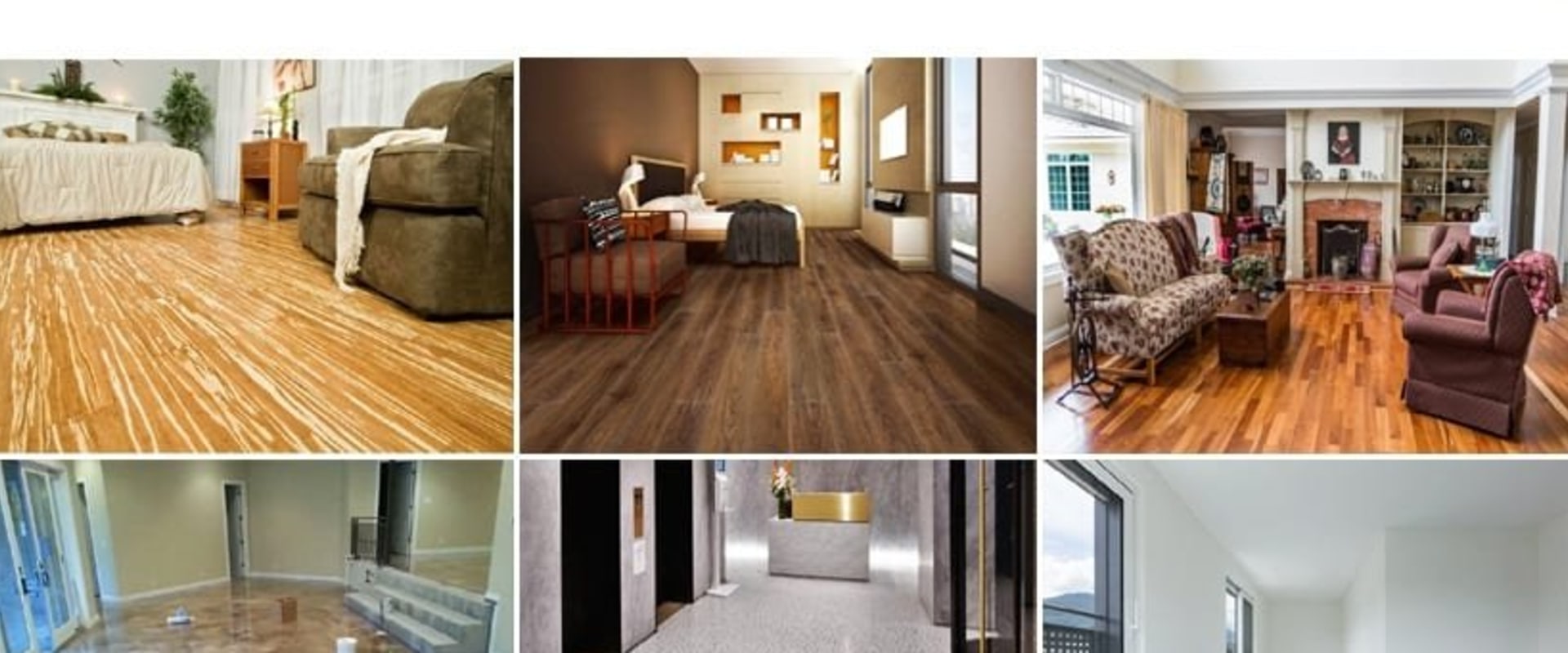
When it comes to creating a comfortable and aesthetically pleasing home, residential flooring plays a pivotal role. The type of flooring you choose not only impacts the overall design of your space but also influences the maintenance and floor care routines you will need to adopt. With a myriad of options available, understanding the different types of residential flooring is essential for homeowners looking to make informed decisions that align with their lifestyle and preferences. From the timeless elegance of hardwood to the modern appeal of laminate, each flooring option comes with its unique characteristics, benefits, and care requirements. For instance, while hardwood floors exude warmth and sophistication, they may require more diligent maintenance to preserve their beauty over time.
On the other hand, materials like vinyl or tile offer durability and ease of cleaning, making them ideal for high-traffic areas or homes with pets. As we delve deeper into the various types of residential flooring, it’s crucial to consider not just the aesthetic appeal but also how each type fits into your daily life. Understanding the specific floor care needs associated with each flooring type will empower you to maintain your home effectively, ensuring that your investment remains in excellent condition for years to come.
Hardwood Flooring
Hardwood flooring is a timeless choice for residential spaces, known for its natural beauty and durability. Available in various species such as oak, maple, and cherry, hardwood floors can complement any interior design style, from traditional to modern.One of the primary benefits of hardwood floors is their longevity. With proper care, they can last for decades, making them a worthwhile investment for homeowners.Additionally, hardwood flooring can increase the value of your home, appealing to potential buyers who appreciate quality materials.When it comes to hardwood floor care, regular maintenance is essential to preserve their appearance and functionality. Here are some key care techniques:
- Regular Cleaning: Sweep or vacuum your hardwood floors weekly to remove dirt and debris that can scratch the surface.
- Mopping: Use a damp mop with a cleaner specifically designed for hardwood floors. Avoid excessive water, as it can damage the wood.
- Protective Measures: Place area rugs in high-traffic areas and use felt pads under furniture legs to prevent scratches.
- Refinishing: Depending on wear and tear, consider refinishing your hardwood floors every 5-10 years to restore their original luster.
Whether you prefer a glossy finish or a more rustic look, hardwood floors can be tailored to fit your personal style.In summary, choosing hardwood flooring not only enhances the beauty of your home but also provides numerous benefits when properly maintained. By implementing effective residential floor care practices, you can ensure that your hardwood floors remain stunning for years to come.
Laminate Flooring
Laminate flooring has gained immense popularity in residential settings due to its affordability, durability, and versatility. Constructed from multiple layers, laminate floors typically consist of a high-density fiberboard core, a photographic layer that mimics the appearance of wood or stone, and a protective wear layer that enhances durability.Advantages of Laminate Floors
- Cost-Effective: Laminate flooring is often more affordable than traditional hardwood or stone options, making it an attractive choice for budget-conscious homeowners.
- Easy Installation: Many laminate products feature a click-lock design, allowing for straightforward installation without the need for glue or nails.
- Variety of Styles: With a wide range of colors and patterns available, laminate can replicate the look of various materials, providing flexibility in design.
- Low Maintenance: Laminate floors are resistant to stains and fading, requiring minimal upkeep compared to other flooring types.
Laminate Floor Care
To maintain the beauty and longevity of your laminate flooring, consider the following care practices:
- Regular Cleaning: Sweep or vacuum regularly to remove dirt and debris. Use a damp mop with a gentle cleaner specifically designed for laminate.
- Avoid Excess Water: While laminate is moisture-resistant, excessive water can seep into seams and cause damage.
Always use a damp mop rather than soaking the floor.
- Protect from Scratches: Place felt pads under furniture legs and avoid dragging heavy items across the floor to prevent scratches.
- Use Area Rugs: Strategically placing area rugs in high-traffic zones can help protect your laminate from wear and tear.
Vinyl Flooring
Vinyl flooring has gained immense popularity in residential spaces due to its versatility and durability. Available in a variety of styles, colors, and textures, vinyl can mimic the appearance of natural materials like wood and stone, making it an attractive option for homeowners looking to enhance their interiors without breaking the bank.One of the standout features of vinyl flooring is its ability to withstand heavy foot traffic, making it ideal for busy households. Additionally, vinyl is resistant to moisture, which makes it a suitable choice for areas prone to spills or humidity, such as kitchens and bathrooms.Benefits of Vinyl Floors
- Cost-Effective: Vinyl flooring is generally more affordable than hardwood or tile options, providing a budget-friendly solution without sacrificing style.
- Comfort: The softer surface of vinyl makes it more comfortable underfoot compared to harder flooring materials.
- Easy Installation: Many vinyl products come with peel-and-stick backing or click-lock systems, allowing for straightforward installation that can often be done without professional help.
- Low Maintenance: Vinyl floors require minimal upkeep; regular sweeping and occasional mopping are usually sufficient to keep them looking new.
Vinyl Floor Care
To ensure the longevity of your vinyl flooring, proper vinyl floor care is essential. Here are some effective maintenance tips:- Regular Cleaning: Sweep or vacuum regularly to remove dirt and debris that can scratch the surface.
- Mopping: Use a damp mop with a gentle cleaner specifically designed for vinyl.
Avoid harsh chemicals that can damage the finish.
- Avoid Excess Water: While vinyl is water-resistant, excessive moisture can seep into seams and cause damage. Wipe up spills promptly.
- Protective Measures: Use felt pads under furniture legs to prevent scratches and consider area rugs in high-traffic zones.
Tile Flooring
Tile flooring is a popular choice for residential spaces due to its durability, aesthetic appeal, and versatility. Among the various types of tile floors, ceramic and porcelain tiles are the most commonly used options.Ceramic Tile
Ceramic tiles are made from natural clay and are fired at high temperatures. They come in a wide range of colors, patterns, and finishes, making them suitable for any room in the house.One of the key benefits of ceramic tile is its affordability. Additionally, it is relatively easy to install, which can save on labor costs.
Porcelain Tile
Porcelain tiles are a subtype of ceramic tiles but are denser and less porous. This makes them more resistant to moisture and stains, making them ideal for areas like bathrooms and kitchens. Although they tend to be more expensive than standard ceramic tiles, their durability often justifies the investment.Installation Tips
- Subfloor Preparation: Ensure the subfloor is clean, dry, and level before installation.
- Layout Planning: Plan your tile layout to minimize cuts and ensure a balanced look.
- Grout Selection: Choose a grout that complements your tile color and is suitable for the area’s moisture levels.
Tile Floor Care
Caring for tile floors involves regular maintenance to keep them looking their best.Here are some essential care tips:
- Regular Cleaning: Sweep or vacuum regularly to remove dirt and debris that can scratch the surface.
- Mopping: Use a damp mop with a pH-neutral cleaner specifically designed for tile floors.
- Sealing Grout: Apply a grout sealer every 6-12 months to prevent staining and moisture infiltration.
Carpet Flooring
Carpet flooring is a popular choice for many homeowners due to its warmth, comfort, and aesthetic appeal. Available in a variety of styles, colors, and materials, carpets can enhance the ambiance of any room while providing a soft surface underfoot.Types of Carpet Flooring
- Cut Pile: This type features individual yarn tufts that are cut at the top, creating a plush feel. It is known for its durability and is ideal for high-traffic areas.
- Loop Pile: Made from loops of yarn, this style is more resilient and less prone to crushing. It’s perfect for areas where durability is essential.
- Cut and Loop: Combining both cut and looped fibers, this style offers unique patterns and textures, making it a versatile choice for various design aesthetics.
- Berber: A type of loop pile carpet, Berber is characterized by its thick yarns and tight loops, providing excellent durability and stain resistance.
Benefits of Carpet Floors
- Comfort: Carpets provide a soft surface that is comfortable to walk on, making them ideal for bedrooms and living areas.
- Insulation: They offer thermal insulation, helping to keep your home warm in winter and cool in summer.
- Noise Reduction: Carpet flooring absorbs sound, reducing noise levels in your home, which is especially beneficial in multi-story houses.
- Aesthetic Variety: With countless colors and patterns available, carpets can complement any interior design style.
Carpet Care Tips
- Regular Vacuuming: To maintain cleanliness and prolong the life of your carpet, vacuum at least once a week.
Pay special attention to high-traffic areas.
- Spot Cleaning: Address spills immediately with a clean cloth. Blot the area rather than rubbing to avoid damaging the fibers.
- Professional Cleaning: Schedule professional deep cleaning every 12-18 months to remove embedded dirt and allergens.
- Avoid Excessive Moisture: Ensure that carpets are not overly wet during cleaning to prevent mold growth. Use appropriate cleaning solutions designed for carpets.
Natural Stone Flooring
Natural stone flooring is a popular choice for homeowners seeking a blend of elegance and durability. Options such as granite, marble, and slate not only enhance the aesthetic appeal of a space but also offer unique characteristics that set them apart from other flooring materials.Granite
is renowned for its strength and resistance to scratches, making it an ideal choice for high-traffic areas.
Its variety of colors and patterns allows homeowners to find the perfect match for their decor. However, granite requires regular sealing to prevent stains and maintain its luster.
Marble
, on the other hand, is celebrated for its luxurious appearance and unique veining. While it adds a touch of sophistication to any room, marble is more porous than granite, making it susceptible to staining and etching from acidic substances. Regular maintenance, including sealing and gentle cleaning solutions, is essential to preserve its beauty.
Slate
offers a more rustic look with its natural clefts and earthy tones.
It is slip-resistant and durable, making it suitable for both indoor and outdoor applications. Slate flooring requires minimal maintenance but should be sealed periodically to protect against moisture.
- Advantages of Natural Stone Floors:
- Durability: Natural stone can withstand heavy foot traffic and last for decades with proper care.
- Unique Aesthetics: Each stone has its own unique patterns and colors, ensuring that no two floors are alike.
- Increased Home Value: Natural stone flooring can enhance the resale value of a home due to its timeless appeal.
Eco-Friendly Flooring Options
As homeowners increasingly prioritize sustainability, eco-friendly flooring options have gained popularity.Two standout materials in this category are bamboo and cork, both of which offer unique benefits for environmentally conscious consumers.
Bamboo Flooring
Bamboo is a rapidly renewable resource, making it an excellent choice for those looking to minimize their environmental impact. Unlike traditional hardwoods that can take decades to mature, bamboo can be harvested in just three to five years. This fast growth rate not only helps preserve forests but also reduces the carbon footprint associated with flooring production.When it comes to sustainable floor care, bamboo is relatively low maintenance. Regular sweeping and occasional damp mopping are usually sufficient to keep it looking its best.However, it’s essential to avoid harsh chemicals that can damage the finish and the environment.
Cork Flooring
Cork is another fantastic eco-friendly option, derived from the bark of cork oak trees. Harvesting cork does not harm the tree, allowing it to continue growing and absorbing carbon dioxide. This makes cork flooring not only sustainable but also a great choice for improving indoor air quality.In terms of green flooring options, cork provides natural insulation, helping to regulate temperature and reduce energy costs. For residential floor care, cork requires similar maintenance to bamboo—regular cleaning with a soft broom or vacuum and occasional mopping with a mild cleaner will keep it in good condition.Additionally, applying a protective sealant every few years can enhance its durability and longevity.Both bamboo and cork flooring exemplify how choosing eco-friendly materials can contribute to a healthier planet while providing beautiful, functional spaces in your home. By opting for these sustainable choices and practicing mindful care, homeowners can enjoy stylish flooring that aligns with their environmental values.
Common Floor Care Mistakes to Avoid
Maintaining your residential flooring is essential for its longevity and appearance. However, many homeowners unknowingly make common floor care mistakes that can lead to costly repairs or replacements. Here are some frequent errors to avoid:- Using the Wrong Cleaning Products: Not all cleaning solutions are suitable for every type of flooring.
For instance, acidic cleaners can damage hardwood finishes, while oil-based products may leave residues on tile. Always check the manufacturer's recommendations before applying any product.
- Neglecting Regular Maintenance: Skipping routine cleaning can lead to dirt buildup, which can scratch surfaces and dull finishes. Establish a regular cleaning schedule tailored to your flooring type to keep it looking its best.
- Over-Wetting Floors: Excess moisture can warp wood floors and damage adhesives used in laminate and vinyl. Use a damp mop instead of soaking your floors, and ensure proper ventilation when cleaning.
- Ignoring High-Traffic Areas: Areas that see the most foot traffic require extra attention.
Consider using area rugs or mats in these spots to protect your flooring from wear and tear.
- Failing to Address Spills Promptly: Allowing spills to sit can lead to stains and damage. Clean up any spills immediately with appropriate methods for your flooring type.
Conclusion: Choosing the Right Flooring for Your Home
In conclusion, selecting the right type of residential flooring is a crucial decision that can significantly impact your home's aesthetic, comfort, and maintenance needs. Each flooring type offers unique benefits and challenges, making it essential to consider your lifestyle, budget, and personal preferences. For instance, if you have a busy household with pets and children, vinyl flooring or laminate may be ideal due to their durability and ease of cleaning.On the other hand, if you prioritize luxury and warmth, hardwood or carpet could be more suitable, provided you are prepared for the necessary residential floor care.
Key Considerations
- Durability: Assess how much foot traffic your floors will endure.
- Maintenance: Consider how much time and effort you are willing to invest in upkeep.
- Aesthetics: Choose a style that complements your home’s design.
- Comfort: Think about how the flooring feels underfoot, especially in areas like bedrooms and living rooms.