When it comes to maintaining a clean and healthy home, residential floor care plays a pivotal role. Floors are not just surfaces we walk on; they are the foundation of our living spaces, influencing both aesthetics and hygiene. Regular cleaning and maintenance of your floors can significantly enhance the overall ambiance of your home while also contributing to the longevity of your flooring materials. Understanding how often to clean your floors is essential for effective floor cleaning frequency management. The importance of floor maintenance cannot be overstated.
Dust, dirt, and allergens can accumulate on floors, leading to potential health issues for you and your family. Moreover, neglecting regular cleaning can result in permanent damage to your flooring, whether it’s hardwood, tile, or carpet. Each type of flooring has its own unique care requirements, making it crucial to tailor your cleaning routine accordingly. In this article, we will explore the best practices for residential floor care, including how often different types of floors should be cleaned and the benefits of maintaining a consistent cleaning schedule. By understanding these principles, you can ensure that your home remains not only visually appealing but also a safe haven for you and your loved ones.
Factors Influencing Cleaning Frequency
When it comes to residential floor care, understanding the factors that influence cleaning frequency is essential for maintaining a clean and healthy home.Several key elements can dictate how often you should clean your floors.
- Foot Traffic: The amount of foot traffic your floors experience plays a significant role in determining cleaning frequency. High-traffic areas, such as entryways and living rooms, may require more frequent cleaning—potentially every few days—while less frequented spaces, like guest rooms, might only need attention once a month.
- Type of Flooring: Different flooring materials have varying maintenance needs. For instance, hardwood floors may require less frequent cleaning compared to carpets, which can trap dirt and allergens. Tile and laminate floors are generally easier to maintain but still benefit from regular cleaning to prevent buildup.
- Household Conditions: The presence of pets, children, or allergies can significantly impact how often you should clean your floors.
Homes with pets may need more frequent vacuuming and mopping to manage hair and dander, while households with allergy sufferers might benefit from more regular deep cleaning to reduce dust and allergens.
- Seasonal Changes: Seasonal factors can also influence cleaning frequency. During spring and fall, when outdoor debris is more likely to be tracked inside, you may find yourself needing to clean your floors more often. Additionally, winter months can bring in salt and snow, necessitating extra care.
Cleaning Different Types of Floors
When it comes to residential floor care, understanding how to clean different types of floors is essential for maintaining their appearance and longevity. Each flooring material has unique characteristics that require specific cleaning methods.Cleaning Hardwood Floors
Hardwood floors are known for their beauty and durability, but they can be susceptible to scratches and water damage.To keep them looking their best:
- Dust regularly using a soft-bristle broom or a microfiber mop to prevent dirt buildup.
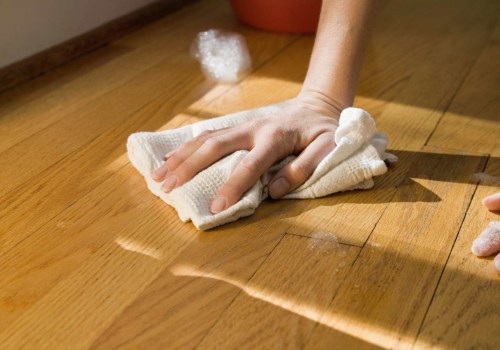
- Mop with a damp (not wet) mop using a cleaner specifically designed for hardwood floors.
- Avoid harsh chemicals that can strip the finish; instead, opt for pH-balanced cleaners.
- Refinish your hardwood floors every few years to restore their shine and protect against wear.
Cleaning Tile Floors
Tile floors are durable and resistant to moisture, making them a popular choice in kitchens and bathrooms. For effective cleaning:- Sweep or vacuum regularly to remove loose dirt and debris.
- Mop with warm water and a mild detergent; avoid acidic cleaners that can damage grout.
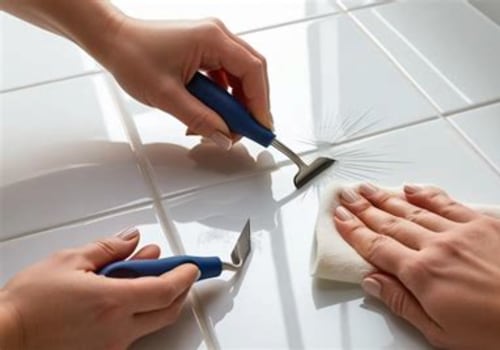
- Seal grout lines every year or two to prevent staining and moisture penetration.
- Use a steam cleaner occasionally for deep cleaning without harsh chemicals.
Cleaning Carpeted Floors
Carpets require special attention to maintain their appearance and hygiene. Here are some tips:- Vacuum frequently, at least once a week, to remove dirt and allergens.
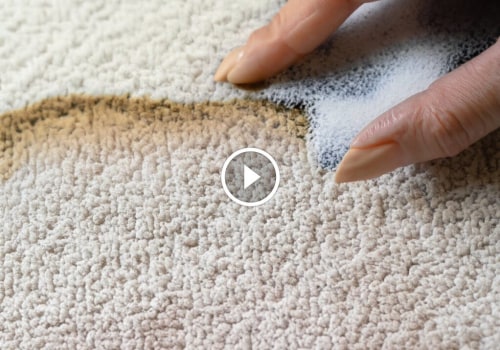
- Spot clean stains immediately with appropriate carpet cleaners to prevent permanent marks.
- Shampoo carpets every 12-18 months, or more often in high-traffic areas, to refresh fibers and eliminate odors.
- Consider professional cleaning every few years for a deep clean that removes embedded dirt.
Recommended Cleaning Schedules
Establishing a cleaning schedule for your residential floors is essential for maintaining their appearance and longevity. The frequency of cleaning can vary based on several factors, including the type of flooring, the amount of foot traffic, and the presence of pets or children.Below are some recommended cleaning schedules tailored to different flooring types:
- Hardwood Floors: For hardwood floors, a weekly cleaning with a dry mop or vacuum is ideal to remove dust and debris. A deeper clean with a damp mop should be done every month, using a cleaner specifically designed for hardwood.
- Tile Floors: Tile floors can accumulate grime in grout lines. A weekly sweep or vacuum followed by mopping with a suitable tile cleaner is recommended. For high-traffic areas, consider mopping twice a month.
- Carpeted Floors: Carpets should be vacuumed at least once a week.
For homes with pets or allergies, consider vacuuming more frequently. Deep cleaning with a steam cleaner should occur every 6 to 12 months.
- Laminated Floors: Similar to hardwood, laminated floors benefit from weekly sweeping or vacuuming. A damp mop can be used monthly to maintain shine and cleanliness.
Seasonal changes can also impact your schedule; for instance, during spring and fall, when allergens are prevalent, more frequent cleaning may be necessary. Ultimately, the key to effective residential floor care lies in consistency. By adhering to these recommended schedules and adjusting them as needed, you can ensure that your floors remain clean and well-maintained throughout the year.
Common Mistakes in Floor Care
Maintaining residential floors can be a straightforward task, but many homeowners fall into common traps that can lead to damage or ineffective cleaning. Understanding these floor care mistakes is essential for preserving the beauty and longevity of your flooring.- Using the Wrong Cleaning Products: One of the most frequent errors is using harsh chemicals that can damage the finish of your floors. Always check the manufacturer's recommendations for suitable cleaning solutions.
- Neglecting Regular Maintenance: Skipping routine cleaning can lead to dirt buildup, which may require more intensive cleaning methods later.
Establish a regular cleaning schedule to keep your floors looking their best.
- Over-Wetting Floors: Excess moisture can seep into seams and cause warping or mold growth, especially in wood and laminate floors. Use a damp mop instead of soaking wet to avoid this issue.
- Ignoring High-Traffic Areas: Areas that see more foot traffic often require more frequent cleaning. Pay special attention to these spots to prevent wear and tear.
- Using a Vacuum with Beater Bars: While vacuuming is essential, using a vacuum with beater bars on delicate floors can scratch the surface. Opt for vacuums designed for hard surfaces.
- Create a Cleaning Schedule: Develop a routine that includes daily sweeping or vacuuming, weekly mopping, and monthly deep cleaning.
- Invest in Quality Cleaning Tools: Use microfiber mops and soft-bristle brooms to effectively clean without causing damage.
- Protect Floors from Furniture: Use felt pads under furniture legs to prevent scratches and dents.
FAQs About Residential Floor Care
When it comes to residential floor care, many homeowners have questions about the best practices for maintaining their floors.Here are some of the most frequently asked questions:
How often should I clean my floors?
The frequency of cleaning your floors largely depends on the type of flooring and the amount of foot traffic. Generally, high-traffic areas such as hallways and living rooms should be cleaned at least once a week, while less frequented spaces can be cleaned bi-weekly or monthly. For homes with pets or children, more frequent cleaning may be necessary to manage dirt and allergens.What is the best way to clean hardwood floors?
For hardwood floors, it’s essential to use a cleaner specifically designed for wood. Start by sweeping or vacuuming to remove dust and debris, then use a damp mop with a suitable cleaner.Avoid excessive water, as it can damage the wood.
Can I use vinegar to clean my floors?
While vinegar is a popular natural cleaner, it’s not suitable for all types of flooring. It can damage the finish on hardwood and laminate floors. Instead, consider using pH-neutral cleaners that are safe for your specific floor type.How do I remove stains from carpets?
To tackle stains on carpets, act quickly. Blot the stain with a clean cloth to absorb excess liquid, then apply a carpet cleaner or a mixture of water and mild detergent.Always test any cleaner in an inconspicuous area first to ensure it doesn’t discolor the carpet.
What maintenance do tile floors require?
Tile floors are relatively low-maintenance but still require regular cleaning. Sweep or vacuum regularly to prevent dirt buildup, and mop with a suitable tile cleaner periodically. Grout lines may need special attention; consider using a grout cleaner or a mixture of baking soda and water for deep cleaning.If you have more specific questions about residential floor care, consulting with a professional cleaning service can provide tailored advice based on your flooring type and lifestyle.Conclusion: Keeping Your Floors Pristine
In conclusion, maintaining a regular cleaning schedule for your residential floors is essential for both aesthetic appeal and longevity. As we have discussed, the frequency of cleaning can vary based on several factors, including the type of flooring, the amount of foot traffic, and the presence of pets or children. To keep your floors in pristine condition, consider the following key points:- Daily Maintenance: For high-traffic areas, a quick daily sweep or vacuum can prevent dirt and debris from accumulating.
- Weekly Cleaning: A thorough cleaning once a week is advisable for most residential settings.
This includes mopping hard surfaces and deep cleaning carpets.
- Seasonal Deep Cleaning: Every few months, invest time in a deep clean that may involve steam cleaning carpets or refinishing hardwood floors.
Remember, a little effort goes a long way in keeping your home looking its best!.