When it comes to residential floor care, understanding the unique needs of your flooring is essential for maintaining a clean and healthy home environment. Floors are not just surfaces we walk on; they play a crucial role in the overall aesthetic and hygiene of our living spaces. Regular maintenance not only enhances the appearance of your floors but also extends their lifespan, making it a worthwhile investment for any homeowner. Different types of flooring, such as hardwood, tile, carpet, and laminate, require specific cleaning methods and products. For instance, hardwood floors benefit from gentle cleaning solutions that prevent damage to the finish, while tile floors may need more robust cleaning agents to tackle grime and stains.
Understanding these floor cleaning basics is vital for effective maintenance. Moreover, neglecting proper care can lead to costly repairs or replacements down the line. The importance of floor maintenance cannot be overstated. Not only does it contribute to a visually appealing home, but it also promotes a healthier living environment by reducing allergens and bacteria that can accumulate in neglected spaces. By adopting a proactive approach to floor care, homeowners can ensure their floors remain in top condition while creating a welcoming atmosphere for family and guests alike.
Common Types of Residential Floors and Their Care Needs
When it comes to residential floor care, understanding the different types of flooring in your home is essential for effective cleaning.Each type of floor has unique characteristics and care requirements that can influence your DIY cleaning solutions.
Hardwood Floors
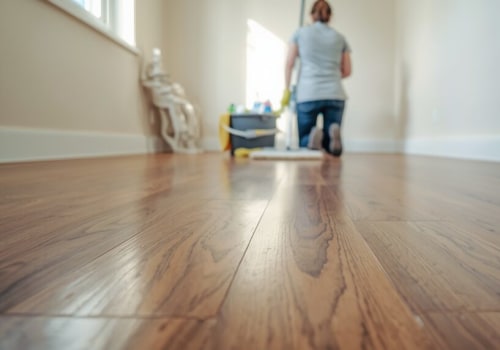
Hardwood floors are known for their beauty and durability, but they require specific care to maintain their luster. Regular sweeping or vacuuming is crucial to remove dirt and debris that can scratch the surface. For deeper cleaning, a mixture of vinegar and water can be used, but it’s important to avoid soaking the wood. Instead, use a damp mop to apply the solution lightly.Tile Floors
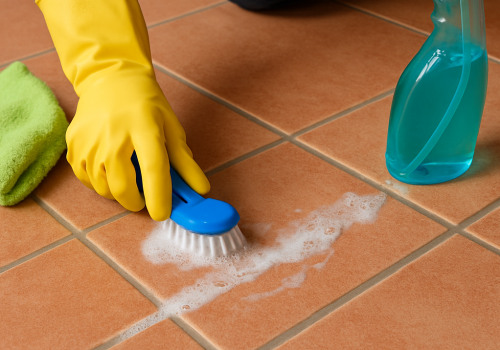
Tile floors, whether ceramic or porcelain, are relatively easy to clean but can accumulate grime in the grout lines.A simple DIY solution involves mixing baking soda with water to create a paste that can be applied to the grout. Let it sit for a few minutes before scrubbing with a brush. For regular maintenance, a mixture of warm water and a few drops of dish soap works well for mopping.
Laminate Floors
Laminate flooring mimics the look of hardwood but requires different care. Avoid using excessive water as it can seep into seams and cause damage.Instead, use a microfiber mop with a solution of vinegar and water for effective cleaning without moisture buildup.
Carpet Floors
Carpets need regular vacuuming to prevent dirt from settling in. For stains, a DIY solution of white vinegar and water can be effective. Blot the stain gently rather than rubbing it, which can damage the fibers. Additionally, sprinkling baking soda on carpets before vacuuming can help eliminate odors.By tailoring your cleaning methods to the specific needs of each flooring type, you can ensure that your residential floors remain in excellent condition while also being mindful of using safe and effective DIY solutions.DIY Cleaning Solutions for Hardwood Floors
Maintaining the beauty and integrity of your hardwood floors can be achieved with simple DIY cleaning solutions that are both effective and safe for your home.Here are some natural recipes and methods to keep your hardwood floors looking their best.
DIY Hardwood Floor Cleaner Recipe
- Ingredients:
- 1 cup of white vinegar
- 1 cup of water
- Optional: a few drops of essential oil (like lemon or lavender for fragrance)
Natural Hardwood Cleaning Solutions
For those who prefer a more natural approach, consider using:- Olive Oil and Vinegar: Combine 1/2 cup of olive oil with 1/4 cup of vinegar in a spray bottle.
This mixture not only cleans but also conditions the wood.
- Baking Soda Paste: For tough stains, mix baking soda with a small amount of water to form a paste. Apply it to the stain, let it sit for a few minutes, then gently scrub with a soft cloth.
Tips for Maintaining Hardwood Floors
To ensure the longevity of your hardwood floors, follow these maintenance tips:- Regular Sweeping: Dust and debris can scratch the surface, so sweep or vacuum regularly using a soft brush attachment.
- Avoid Excess Water: When mopping, use a damp mop rather than soaking the floor to prevent water damage.
- Use Furniture Pads: Place pads under furniture legs to avoid scratches when moving items around.
- Control Humidity: Maintain indoor humidity levels between 30-50% to prevent wood from warping or cracking.
DIY Cleaning Solutions for Tile Floors
Keeping your residential floors clean, especially tile floors, can be a straightforward task with the right DIY cleaning solutions. Here are some effective methods to ensure your tiles and grout remain spotless and well-maintained.DIY Tile Floor Cleaner
A simple yet effective DIY tile floor cleaner can be made using common household ingredients. Combine the following:- 1 cup of white vinegar
- 1 cup of warm water
- 1 tablespoon of dish soap
Spray the solution onto the tile surface and wipe with a microfiber mop or cloth. This mixture not only cleans but also helps to shine your tiles without leaving any residue.
Cleaning Grout Naturally
The grout between your tiles can often become discolored and grimy. For a natural cleaning solution, try this:- 1/2 cup of baking soda
- 1/4 cup of hydrogen peroxide
- 1 teaspoon of dish soap
Rinse thoroughly with water to reveal bright, clean grout.
Tile Maintenance Tips
To keep your tile floors looking their best, consider these tile maintenance tips:- Mop regularly: Use a damp mop with your DIY cleaner at least once a week to prevent dirt buildup.
- Avoid harsh chemicals: Stick to natural cleaners to protect both your tiles and the environment.
- Seal grout lines: After cleaning, consider applying a grout sealer to protect against stains and moisture.
DIY Cleaning Solutions for Carpeted Floors
Keeping your residential floors clean, especially carpeted ones, can be a daunting task. However, with some simple DIY solutions, you can maintain your carpets effectively while avoiding harsh chemicals. Here are some effective methods for cleaning carpets and removing stains naturally.DIY Carpet Cleaner Recipe
One of the most popular DIY carpet cleaners can be made using common household ingredients:- Ingredients:
- 1 cup of white vinegar
- 1 cup of water
- 1 tablespoon of dish soap
- Instructions:
- Mix all the ingredients in a spray bottle.
- Spray the solution onto the stained area and let it sit for about 5-10 minutes.
- Blot the stain with a clean cloth until it lifts.
Removing Carpet Stains Naturally
For specific stains, you can use targeted natural solutions:- For wine stains: Sprinkle salt on the stain to absorb the liquid, then vacuum it up after a few minutes. Follow up with the DIY carpet cleaner.
- For pet stains: Combine baking soda and water to form a paste.
Apply it to the stain, let it dry, and vacuum it up.
- For grease stains: Use cornstarch to absorb the grease. Let it sit for 15 minutes before vacuuming.
Carpet Maintenance Tips
Regular maintenance is key to prolonging the life of your carpets:- Vacuum regularly: Aim for at least once a week to remove dirt and debris.
- Use doormats: Place them at entrances to reduce dirt tracked onto carpets.
- Address spills immediately: The sooner you treat a stain, the easier it will be to remove.
Essential Tools and Supplies for DIY Floor Care
When it comes to DIY residential floor care, having the right tools and supplies is crucial for achieving a clean and polished look. Below is a list of essential items that will help you tackle various types of flooring effectively.- Broom and Dustpan: A sturdy broom is essential for sweeping up dirt and debris from hard surfaces.
Pair it with a dustpan for easy collection.
- Mop: Depending on your floor type, choose a microfiber mop for hardwood or laminate, and a traditional string mop for tile or vinyl floors.
- Bucket: A bucket is necessary for mixing cleaning solutions and rinsing mops. Opt for one with a wringer to make the mopping process more efficient.
- Vacuum Cleaner: A vacuum designed for your specific flooring type can help remove dust, pet hair, and other particles that brooms might miss. Look for models with attachments suitable for both carpets and hard floors.
- Cleaning Solutions: Invest in eco-friendly cleaning solutions that are safe for your floors. For instance, vinegar mixed with water can be an effective cleaner for many surfaces.
- Scrub Brush: A scrub brush is ideal for tackling tough stains or grime on tile floors.
Choose one with stiff bristles to ensure effective cleaning.
- Microfiber Cloths: These are perfect for dusting and polishing surfaces without scratching them. They can also be used dampened with cleaning solution for deeper cleaning.
Tips for Maintaining Clean Floors Between Deep Cleanings
Maintaining clean floors between deep cleanings is essential for preserving the beauty and longevity of your residential floors. Here are some practical tips to help you keep your floors looking their best:- Establish a Daily Cleaning Routine: Set aside a few minutes each day to sweep or vacuum high-traffic areas.
This prevents dirt and debris from accumulating and scratching your floors.
- Use Doormats: Placing doormats at entryways can significantly reduce the amount of dirt tracked into your home. Encourage family members and guests to wipe their feet before entering.
- Implement a No-Shoes Policy: Consider adopting a no-shoes policy inside your home. This simple step can drastically cut down on the amount of grime that settles on your floors.
- Spot Clean Spills Immediately: Accidents happen, but addressing spills right away can prevent stains and damage. Keep a microfiber cloth handy for quick clean-ups.
- Rotate Furniture: Regularly rearranging furniture can help prevent uneven wear on your floors.
This also allows you to clean areas that are often overlooked.
- Use Floor Protectors: Place felt pads under furniture legs to avoid scratches and dents. These small additions can make a big difference in maintaining your floor's integrity.
- Avoid Harsh Chemicals: When cleaning, opt for gentle, DIY solutions that won’t damage your flooring. A mixture of vinegar and water can effectively clean many surfaces without leaving harmful residues.
FAQs About DIY Residential Floor Care Solutions
When it comes to DIY residential floor care, many homeowners have questions about the best practices and solutions for maintaining their floors. Here are some frequently asked questions that can help clarify common concerns:What are the best DIY solutions for cleaning hardwood floors?
For hardwood floors, a simple mixture of vinegar and water can be effective.Combine one cup of vinegar with a gallon of warm water. Use a damp mop to clean the floor, ensuring not to saturate the wood. Additionally, using a few drops of dish soap in the mixture can help remove stubborn stains.
Can I use bleach on my floors?
While bleach is a powerful cleaner, it is generally not recommended for most residential floors, especially hardwood and laminate. It can damage the finish and discolor the material.Instead, opt for milder solutions like baking soda or vinegar for cleaning.
How do I remove tough stains from carpets?
Tough carpet stains can often be treated with a paste made from baking soda and water. Apply the paste to the stain, let it sit for 15-20 minutes, then blot with a clean cloth. For grease stains, try using a mixture of dish soap and warm water.What should I do if my floors are still dirty after cleaning?
- Check your cleaning solution: Ensure you are using the right solution for your floor type.
- Mop technique: Make sure you are not using too much water, which can leave residue.
- Frequency: Consider increasing the frequency of your cleaning routine to prevent buildup.
Conclusion: Embracing DIY Solutions for Effective Floor Care
In conclusion, embracing DIY solutions for residential floor care not only promotes a cleaner living environment but also empowers homeowners to take control of their cleaning routines. Throughout this article, we explored various effective methods and natural ingredients that can be utilized to maintain the beauty and longevity of different flooring types.By opting for homemade cleaning solutions, you can avoid the harsh chemicals often found in commercial products, making your home safer for children and pets.For instance, a simple mixture of vinegar and water can effectively clean hardwood floors without causing damage, while baking soda serves as an excellent deodorizer for carpets.Moreover, DIY cleaning methods are often more cost-effective. With just a few common household items, you can create powerful cleaners that rival store-bought options. This not only saves money but also reduces waste associated with packaging from commercial products.As you incorporate these practices into your routine, consider the following benefits:
- Eco-friendly options: Many DIY solutions utilize natural ingredients that are biodegradable and non-toxic.
- Customization: You can tailor your cleaning solutions to suit specific floor types or personal preferences.
- Health benefits: Reducing exposure to harmful chemicals can lead to improved indoor air quality.
By doing so, you not only enhance the appearance of your floors but also contribute positively to your overall well-being and the environment.