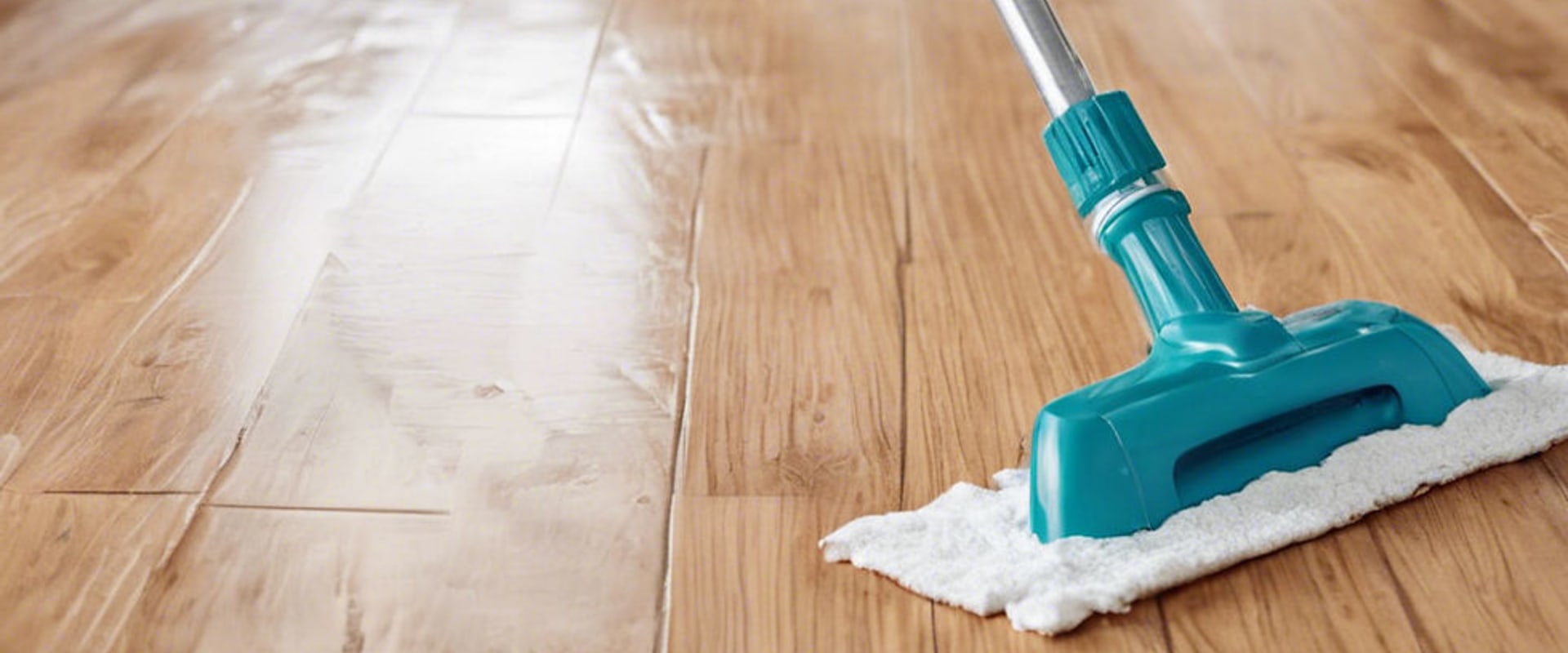
When it comes to residential floor care, understanding the fundamentals is essential for creating a clean and inviting home. Floors are not just surfaces we walk on; they play a crucial role in the overall aesthetic and hygiene of our living spaces. Regular maintenance not only enhances the appearance of your floors but also contributes to a healthier indoor environment by reducing allergens and bacteria. Many homeowners underestimate the importance of floor cleaning basics. Neglecting this aspect can lead to long-term damage, requiring costly repairs or replacements.
Whether you have hardwood, tile, carpet, or laminate, each type of flooring has its own unique care requirements. By familiarizing yourself with these needs, you can extend the life of your floors and maintain their beauty. Moreover, the significance of floor maintenance goes beyond aesthetics. A well-maintained floor can improve safety by reducing slip hazards and can even enhance indoor air quality. As we explore various methods for keeping your floors clean, including effective natural remedies, it becomes clear that investing time in proper floor care is not just a chore but a vital part of home upkeep.
The Benefits of Natural Remedies for Floor Cleaning
When it comes to residential floor care, opting for natural remedies offers a multitude of benefits that extend beyond mere cleanliness.These advantages encompass health, environmental impact, and cost-effectiveness, making them a wise choice for conscientious homeowners.
Health Benefits of Natural Cleaners
One of the most significant advantages of using natural cleaning solutions is their health benefits. Many conventional cleaners contain harsh chemicals that can lead to respiratory issues, skin irritations, and other health problems. In contrast, natural remedies often utilize ingredients like vinegar, baking soda, and essential oils, which are generally safer for both humans and pets. By choosing these alternatives, you can create a healthier living environment free from toxic substances.Eco-Friendly Floor Care
Natural cleaning products are also eco-friendly, contributing to a more sustainable lifestyle.Chemical cleaners can release harmful pollutants into the air and waterways, negatively impacting the environment. In contrast, natural ingredients are biodegradable and less likely to cause ecological harm. By using these remedies, you not only protect your home but also contribute to the well-being of the planet.
Cost-Effectiveness
Another compelling reason to consider natural remedies for residential floor care is their cost-effectiveness. Many natural cleaning solutions can be made from common household items, reducing the need for expensive commercial products.For instance, a simple mixture of vinegar and water can effectively clean various types of flooring without breaking the bank. This affordability makes it easier for homeowners to maintain clean floors without compromising on quality.In summary, the benefits of using natural remedies for cleaning residential floors are clear. From promoting better health and protecting the environment to saving money, these solutions offer a holistic approach to floor care that aligns with modern values of sustainability and wellness.
Common Natural Ingredients for Floor Cleaning
When it comes to residential floor care, utilizing natural ingredients can be both effective and environmentally friendly. Here are some common natural ingredients that can help you maintain clean and healthy floors:- Vinegar: This versatile ingredient is a powerhouse for cleaning.
Its acidic nature helps to dissolve dirt, grime, and even mineral deposits. To use vinegar for cleaning, mix one part white vinegar with one part water in a spray bottle. This solution works well on tile, laminate, and hardwood floors. However, avoid using it on natural stone surfaces, as the acidity can damage them.
- Baking Soda: Known for its deodorizing properties, baking soda is also an excellent abrasive cleaner.
It can be used to tackle tough stains on carpets and rugs. For a simple cleaning paste, mix baking soda with a small amount of water until it forms a paste. Apply it to the stained area, let it sit for a few minutes, and then scrub gently before rinsing.
- Essential Oils: Not only do essential oils add a pleasant fragrance to your cleaning routine, but many also possess antibacterial properties. Oils like tea tree, lavender, and lemon can be added to your vinegar or baking soda solutions for an extra boost.
Just a few drops can enhance the cleaning power while leaving your home smelling fresh.
DIY Natural Floor Cleaning Solutions
Creating your own DIY natural floor cleaning solutions is not only cost-effective but also environmentally friendly. Here are some simple recipes that you can use to keep your residential floors sparkling clean.1.Vinegar and Water Solution
This classic mixture is perfect for most hard floors, including tile and laminate.- Ingredients: 1 cup of white vinegar, 1 gallon of warm water.
- Instructions:
- Mix the vinegar and warm water in a bucket.
- Dampen a mop in the solution and wring it out well.
- Mop the floor, ensuring to cover all areas.
- Allow the floor to air dry for a streak-free finish.
2.Baking Soda Scrub
This recipe is ideal for tackling tough stains on floors like tile or vinyl.- Ingredients: 1 cup of baking soda, 1/2 cup of water, a few drops of essential oil (optional).
- Instructions:
- Combine baking soda and water to form a paste.
- Add essential oil for a pleasant scent if desired.
- Apply the paste to stained areas and let it sit for 10-15 minutes.
- Scrub gently with a soft brush or cloth, then rinse with clean water.
3.Castile Soap Cleaner
This versatile soap can be used on various surfaces, including hardwood floors.- Ingredients: 1/4 cup of liquid Castile soap, 1 gallon of warm water.
- Instructions:
- Dilute the Castile soap in warm water in a bucket.
- Mop the floor with the solution, ensuring not to saturate the wood.
- Rinse with clean water if necessary, especially on hardwood floors.
- Always test your DIY cleaner on a small, inconspicuous area first to ensure compatibility with your flooring type.
- Avoid using vinegar on natural stone floors as it can damage the surface.
- For added shine on hardwood floors, consider buffing them with a soft cloth after cleaning.
Cleaning Different Types of Floors Naturally
Maintaining the beauty and longevity of your residential floors can be achieved through natural cleaning methods tailored to each flooring type. Here’s how to clean hardwood, tile, and laminate floors using eco-friendly solutions.Cleaning Hardwood Floors Naturally
Hardwood floors require gentle care to preserve their finish.A simple mixture of vinegar and water can effectively clean these surfaces without damaging them. Combine one cup of white vinegar with a gallon of warm water. Use a damp mop to apply the solution, ensuring not to saturate the wood. For added shine, consider using a few drops of essential oils, such as lemon or lavender, which also impart a pleasant fragrance.
Tile Floor Care Tips
For tile floors, a natural cleaning solution can be made from baking soda and vinegar.Sprinkle baking soda on the floor, then spray a mixture of equal parts vinegar and water over it. Allow it to fizz for a few minutes before scrubbing with a soft brush or mop. This method not only cleans but also helps remove stubborn stains and grime.
Laminate Floor Cleaning Solutions
Laminate floors are sensitive to moisture, so it’s crucial to use a light touch when cleaning. A mixture of water and a few drops of dish soap can be effective.Dampen a microfiber mop with this solution and gently clean the surface. Avoid soaking the floor, as excess water can warp the laminate.In addition to these methods, regular maintenance such as sweeping or vacuuming can help prevent dirt buildup on all types of floors. By utilizing these natural remedies, you can ensure your residential floor care routine is both effective and environmentally friendly.
Safety Tips When Using Natural Cleaners
When it comes to residential floor care, using natural cleaners can be a safe and effective choice. However, it’s essential to follow certain safety tips to ensure that your cleaning practices are both effective and safe for your home environment.- Read Labels Carefully: Even natural cleaners can contain ingredients that may cause irritation or allergic reactions.
Always read the labels to understand what you are using.
- Test in a Small Area: Before applying any DIY cleaner to your entire floor, test it in a small, inconspicuous area. This will help you determine if the solution is safe for your specific flooring material.
- Use Protective Gear: While natural ingredients are generally safer than harsh chemicals, it’s still wise to wear gloves and possibly goggles when mixing or applying cleaners. This protects your skin and eyes from potential irritation.
- Avoid Mixing Ingredients: Some natural ingredients can react negatively when combined. For example, mixing vinegar and baking soda creates a fizzing reaction that neutralizes their cleaning properties.
Stick to one recipe at a time.
- Ventilate the Area: Ensure good ventilation when using any cleaning solution, even natural ones. Open windows and doors to allow fresh air to circulate, reducing the risk of inhaling any fumes.
- Store Cleaners Safely: Keep all cleaning solutions, even those made from natural ingredients, out of reach of children and pets. Use clearly labeled containers to avoid any confusion.
Frequently Asked Questions About Natural Floor Care
When it comes to natural floor care, many homeowners have questions about the effectiveness and safety of various cleaning methods.Here are some frequently asked questions that can help clarify common concerns.
What are some effective natural cleaners for residential floors?
There are several natural ingredients that can be used to clean different types of flooring:- Vinegar: A versatile cleaner that can be diluted with water to clean hardwood, tile, and laminate floors.
- Baking soda: Great for scrubbing tough stains and deodorizing carpets.
- Lemon juice: Acts as a natural disinfectant and can brighten surfaces.
- Castile soap: A gentle soap that works well for mopping various floor types.
Are natural cleaners safe for pets and children?
Yes, most natural cleaners are safe for use around pets and children. However, it’s important to ensure that any cleaning solution is properly diluted and to avoid using essential oils that may be harmful to animals. Always check the specific ingredients and consult with a veterinarian if unsure.How do I troubleshoot issues with natural cleaners?
If you encounter problems while using natural cleaners, consider the following tips:- Streaking on glass or shiny floors: Ensure you’re using a proper dilution ratio and a microfiber cloth for drying.
- Persistent odors: Baking soda can help absorb odors; sprinkle it on carpets or floors, let it sit, then vacuum.
- Sticky residue: This may occur if too much soap is used; rinse the area with clean water after cleaning.
Conclusion: Embracing Natural Remedies for a Cleaner Home
In conclusion, adopting natural remedies for residential floor care not only promotes a healthier living environment but also enhances the longevity of your flooring materials.Throughout this article, we explored various effective and eco-friendly cleaning solutions that can replace harsh chemical cleaners.By utilizing common household ingredients such as baking soda, vinegar, and essential oils, homeowners can achieve a deep clean without compromising indoor air quality. These natural alternatives are not only safe for your family and pets but also cost-effective, making them an appealing choice for budget-conscious individuals.
- Baking Soda: Acts as a gentle abrasive and deodorizer, perfect for tackling tough stains.
- Vinegar: A powerful disinfectant that cuts through grime and leaves floors sparkling.
- Essential Oils: Provide pleasant scents while offering antimicrobial properties.