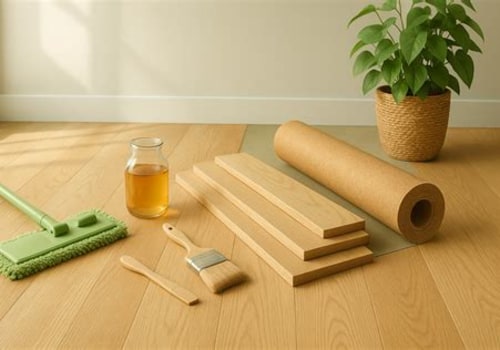
Hardwood floors are a stunning addition to any home, offering both aesthetic appeal and durability. However, maintaining their beauty requires a commitment to proper care. Understanding the unique characteristics of hardwood is essential for homeowners who want to preserve their investment and ensure longevity. Unlike other flooring options, hardwood is sensitive to moisture and harsh chemicals, making it crucial to adopt a cleaning routine that respects its natural properties. When it comes to residential floor care, the methods you choose can significantly impact the condition of your hardwood.
Regular maintenance not only enhances the appearance of your floors but also protects them from damage caused by dirt, grime, and spills. This is where the conversation about cleaning solutions becomes vital. Many homeowners wonder about the effectiveness of common household items, such as vinegar, in maintaining their hardwood floors. In this section, we will explore the fundamentals of hardwood floor maintenance, emphasizing the importance of using appropriate cleaning methods. By understanding what works best for your floors, you can create a cleaning regimen that keeps them looking pristine while avoiding potential pitfalls that could lead to costly repairs or refinishing down the line.
The Benefits of Using Vinegar for Cleaning
Using vinegar as a cleaning agent for hardwood floors offers numerous benefits that align with the principles of residential floor care.One of the primary advantages is its natural cleaning properties. Vinegar is derived from fermented ethanol, making it a safe and non-toxic alternative to many commercial cleaners that often contain harsh chemicals.Another significant benefit of vinegar is its effectiveness in breaking down dirt and grime. The acetic acid in vinegar acts as a powerful degreaser, which can help lift stubborn stains and residues without damaging the finish of your hardwood floors. This makes it an ideal choice for homeowners looking to maintain the beauty and integrity of their flooring.
- Eco-Friendly Solution: Vinegar is biodegradable and does not contribute to indoor air pollution, making it an excellent choice for those who prioritize eco-friendly cleaners.
- Cost-Effective: Vinegar is inexpensive and widely available, allowing homeowners to clean their floors without breaking the bank.
- Multi-Purpose Use: Beyond just cleaning floors, vinegar can be used in various household cleaning tasks, making it a versatile addition to your cleaning arsenal.
Many consumers are becoming increasingly aware of the potential health risks associated with synthetic cleaners. By opting for vinegar, you not only protect your family from harmful chemicals but also contribute to a healthier environment.In conclusion, incorporating vinegar into your hardwood floor cleaning routine can provide effective results while promoting a safer and more sustainable home. Its natural properties, combined with its affordability and versatility, make it a top choice for anyone committed to maintaining their residential flooring.
Potential Risks of Using Vinegar on Hardwood Floors
While vinegar is often touted as a natural cleaning solution, using it on hardwood floors can pose several risks that homeowners should be aware of. One of the primary concerns is the potential for damage to the finish of the wood.Most hardwood floors are coated with a protective finish that can be compromised by acidic substances like vinegar. Over time, this can lead to dullness and a lackluster appearance, making your floors look worn and aged.Additionally, frequent use of vinegar can lead to long-term effects that may not be immediately visible. The acidity in vinegar can gradually erode the finish, exposing the wood beneath to moisture and dirt. This exposure can result in hardwood floor damage, such as warping or swelling, especially in areas prone to spills or humidity.Another common mistake homeowners make is using vinegar in concentrations that are too strong.
A diluted solution may seem harmless, but even small amounts of vinegar can have a cumulative effect over time. Instead of achieving a clean surface, you might inadvertently create a situation where your floors require more intensive care and restoration.To avoid these pitfalls, consider alternative cleaning solutions specifically designed for residential floor care. Many products are available that effectively clean hardwood floors without the risks associated with vinegar. Always check the manufacturer's recommendations for your flooring type to ensure you are using safe and effective cleaning methods.In summary, while vinegar may seem like an appealing option for cleaning hardwood floors due to its natural properties, the potential risks far outweigh the benefits.
Protect your investment by choosing safer alternatives that will maintain the beauty and integrity of your hardwood flooring.
How to Properly Use Vinegar for Cleaning Hardwood Floors
Using vinegar to clean hardwood floors can be an effective and eco-friendly solution, but it’s essential to do so correctly to avoid damaging the wood. Here’s a step-by-step guide on how to safely use vinegar for cleaning your hardwood floors.- Gather Your Supplies: You will need:
- White distilled vinegar
- Warm water
- A clean mop or microfiber cloth
- A bucket
- A spray bottle (optional)
- Prepare the Cleaning Solution: Mix a solution of 1 cup of white distilled vinegar with 1 gallon of warm water in a bucket. If you prefer, you can also mix this solution in a spray bottle for easier application.
- Test the Solution: Before applying the vinegar solution to the entire floor, test it on a small, inconspicuous area. This will help ensure that the vinegar does not cause any discoloration or damage.
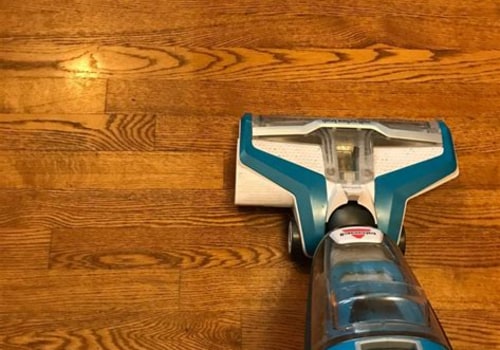
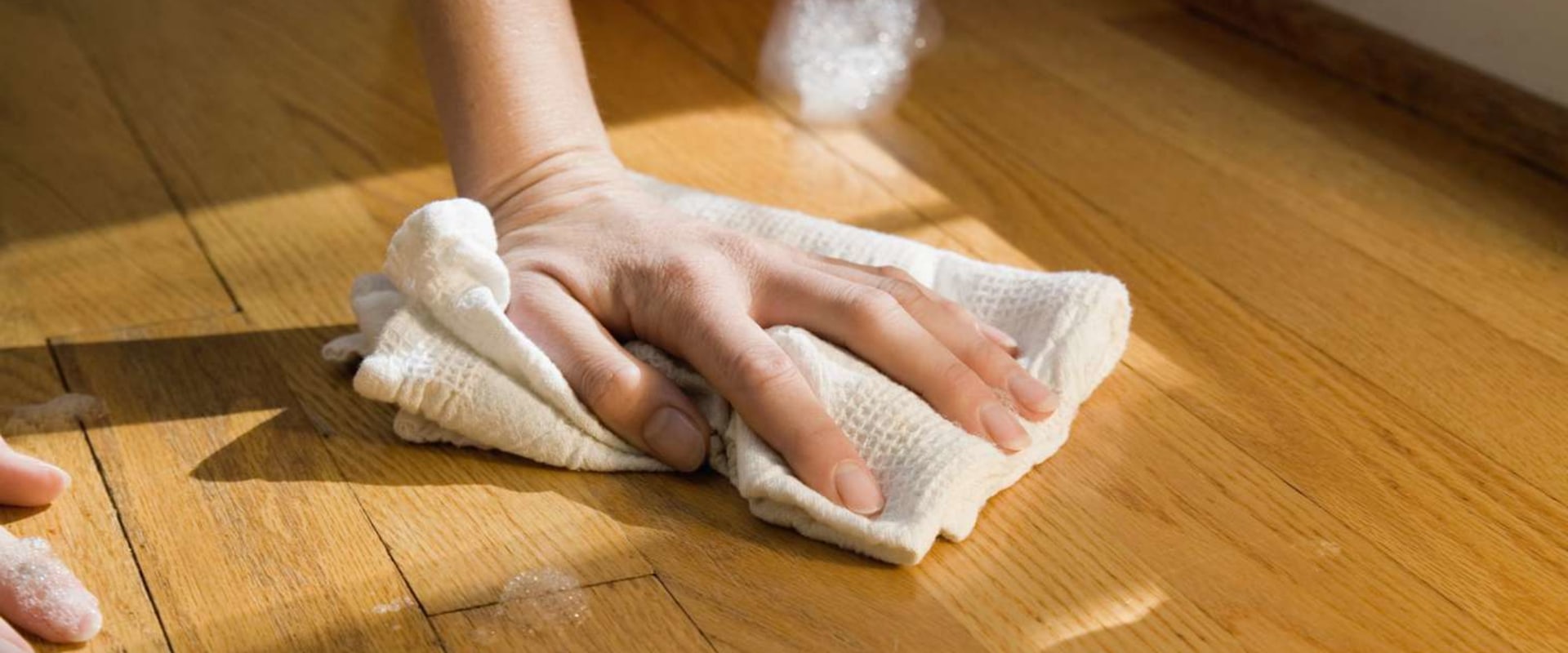
- Mop the Floor: Dip your mop or cloth into the vinegar solution, wring it out thoroughly to avoid excess moisture, and begin mopping the floor.
Always mop in the direction of the wood grain to prevent streaking.
- Rinse (if necessary): If you notice any sticky residue after mopping, rinse the floor with clean water using a damp mop. Make sure to wring out the mop well to avoid soaking the wood.
- Dry the Floor: After cleaning, dry the floor with a clean, dry microfiber cloth or allow it to air dry. Avoid walking on the floor until it is completely dry to prevent slips and falls.
Regular maintenance and gentle cleaning methods will help keep your hardwood floors looking their best.
Alternative Cleaning Solutions for Hardwood Floors
While vinegar is a popular choice for cleaning hardwood floors, there are several alternative cleaning solutions that can effectively maintain the beauty and integrity of your floors without the potential risks associated with acidic cleaners.Here are some of the best cleaners for hardwood floors that are safe and effective:- pH-Balanced Floor Cleaners: These cleaners are specifically formulated for hardwood surfaces. They clean without damaging the finish or leaving residue. Look for products labeled as safe for hardwood.
- Soap-Based Cleaners: A mild soap solution can be an excellent alternative. Mix a few drops of liquid castile soap with warm water to create a gentle cleaner that lifts dirt without harming the wood.
- Commercial Hardwood Floor Cleaners: Many brands offer specialized cleaners designed for hardwood floors.
These products often contain natural ingredients and are free from harsh chemicals, making them a safe choice.
- Essential Oil Solutions: Adding a few drops of essential oils like lemon or lavender to your cleaning solution can not only enhance the scent but also provide antibacterial properties, making your cleaning routine more effective.
FAQs About Cleaning Hardwood Floors with Vinegar
When it comes to cleaning hardwood floors with vinegar, many homeowners have questions and concerns. Here are some of the most frequently asked questions regarding this cleaning method:- Is vinegar safe for hardwood floors? While vinegar is a natural cleaner, its acidity can potentially damage the finish of hardwood floors if used in high concentrations or too frequently.
It’s essential to dilute vinegar with water before applying it to your floors.
- What is the best way to use vinegar on hardwood floors? To safely clean your hardwood floors with vinegar, mix one cup of white vinegar with a gallon of warm water. Use a damp mop to apply the solution, ensuring that the mop is not soaking wet, as excess water can harm the wood.
- Can vinegar remove stains from hardwood floors? Vinegar can help lift some surface stains, but it may not be effective for deeper or older stains. For tough stains, consider using a specialized hardwood floor cleaner or consulting a professional.
- Are there any myths about using vinegar on hardwood floors? Yes, one common myth is that vinegar can completely restore the shine of dull hardwood floors. While it can clean and enhance the appearance temporarily, it does not replace the need for periodic refinishing or professional cleaning.
Always test any cleaning solution in a small, inconspicuous area first and follow up with proper maintenance to keep your floors looking their best.
Conclusion: Making Informed Choices for Hardwood Floor Care
In conclusion, maintaining the beauty and integrity of your hardwood floors requires informed choices regarding cleaning methods. Throughout this article, we have explored various aspects of hardwood floor care, emphasizing the significance of selecting appropriate cleaning solutions that align with the unique characteristics of your flooring.While vinegar is often touted as a natural cleaning agent, it is crucial to recognize that its acidic nature can potentially damage the finish of hardwood floors over time. Instead, opting for pH-balanced cleaners specifically designed for hardwood surfaces can help preserve their shine and durability.Here are some key takeaways to consider when making your cleaning choices:- Understand Your Floor's Finish: Different finishes may react differently to various cleaning agents. Always check manufacturer recommendations.
- Regular Maintenance: Implementing a routine cleaning schedule with appropriate products can prevent dirt buildup and prolong the life of your floors.
- Avoid Excess Water: Hardwood floors are sensitive to moisture.
Use damp mops rather than soaking wet ones to avoid warping.
- Test Before You Clean: Always test any new cleaning solution in a small, inconspicuous area to ensure it does not harm the finish.