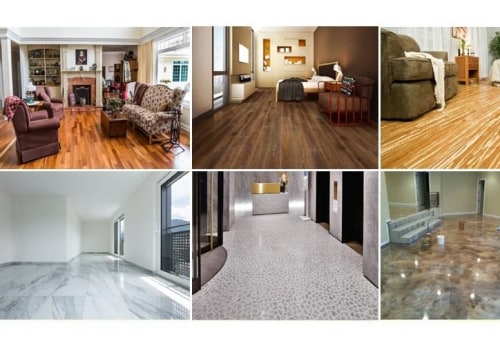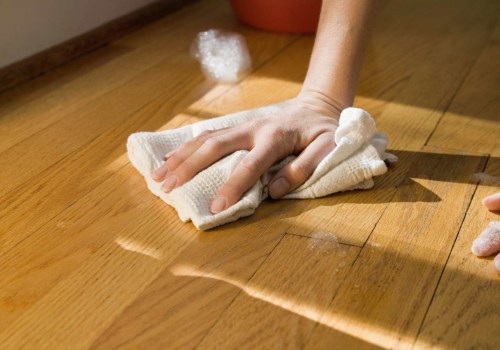
Flooring materials depend on a stable, level surface beneath them. When a foundation settles unevenly or shifts over time, that movement can transfer through the subfloor and affect hardwood, tile, laminate, and other finishes. Some flooring problems may initially appear cosmetic, but recurring cracks, gaps, raised sections, or noticeable slopes can sometimes point to a deeper structural concern. Understanding how foundation movement affects different flooring materials can help homeowners determine whether the issue should be addressed before investing in replacement or refinishing.
Hardwood Can Develop Gaps and Uneven Areas
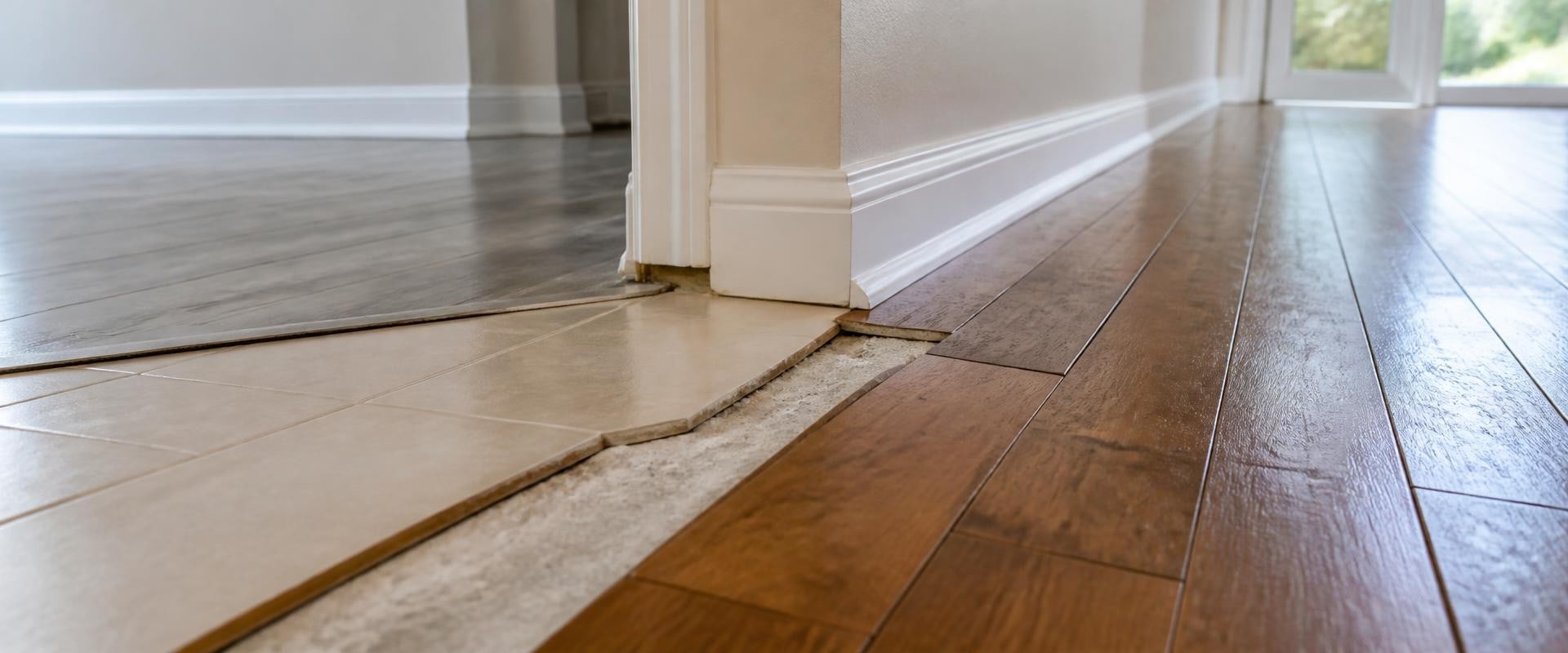
Hardwood flooring naturally expands and contracts with changes in humidity, so small seasonal gaps are not always a cause for concern. However, foundation movement can create larger or irregular gaps when the floor system underneath begins shifting. Boards may separate, buckle, or develop noticeable changes in elevation. If these symptoms appear along with wall cracks, sticking doors, or sloping floors, professionals such as Bats Foundation Repair Pflugerville TX may evaluate whether structural movement is contributing to the flooring problem.
Tile May Crack Under Structural Stress
Tile is a rigid flooring material that does not tolerate movement well. If the slab or subfloor beneath it shifts, stress can transfer directly into the tile and grout. Homeowners may notice cracked tiles, separated grout lines, or sections that sound hollow when walked on. A single broken tile may result from impact or installation problems, but cracks that extend across several tiles or repeatedly return after repairs may suggest movement beneath the surface. Repairing the structural cause first can help reduce the risk of replacement tiles developing similar damage.
Laminate Can Separate or Lift
Laminate flooring is designed to float over the subfloor in many installations, allowing some flexibility. However, significant foundation movement can still affect its appearance and performance. Uneven subfloors may cause laminate planks to flex, separate at joints, or lift around certain sections of a room. Gaps may also appear along walls or between boards. Replacing damaged planks without addressing an unstable surface underneath may provide only temporary improvement.
Watch for Changes in Floor Level
One of the clearest signs that flooring problems may extend beyond the finish material is a noticeable slope or dip. Furniture may begin sitting unevenly, doors can swing unexpectedly, or objects may roll across the floor. These changes can indicate movement in the slab, joists, beams, or supporting foundation. Measuring and monitoring affected areas over time can help homeowners determine whether the problem is stable or continuing to develop.
Consider Moisture as a Contributing Factor
Water can affect both flooring and foundation conditions. Plumbing leaks, poor drainage, or excessive moisture beneath a home may damage hardwood and laminate while also changing the soil supporting the foundation. Tile may remain visually intact while moisture affects the slab or subfloor underneath. Identifying leaks and drainage problems is therefore an important part of investigating unexplained flooring damage.
Complete Structural Work Before Replacing Flooring
When foundation repair is necessary, it is generally wise to complete structural stabilization before installing new flooring. Foundation adjustments can slightly change floor elevations or reveal areas of the subfloor that need repair. Once the structure is stable, flooring contractors can prepare the surface more accurately and install materials on a better foundation.
Protect Flooring With the Right Repair Sequence
Hardwood, tile, and laminate can each respond differently to structural movement, but all depend on stable support. By identifying the cause of cracks, gaps, slopes, or lifting before replacing flooring, homeowners can avoid repeated repairs. Coordinating foundation stabilization, moisture correction, subfloor preparation, and flooring installation in the proper order can help produce more durable and attractive results over the long term.