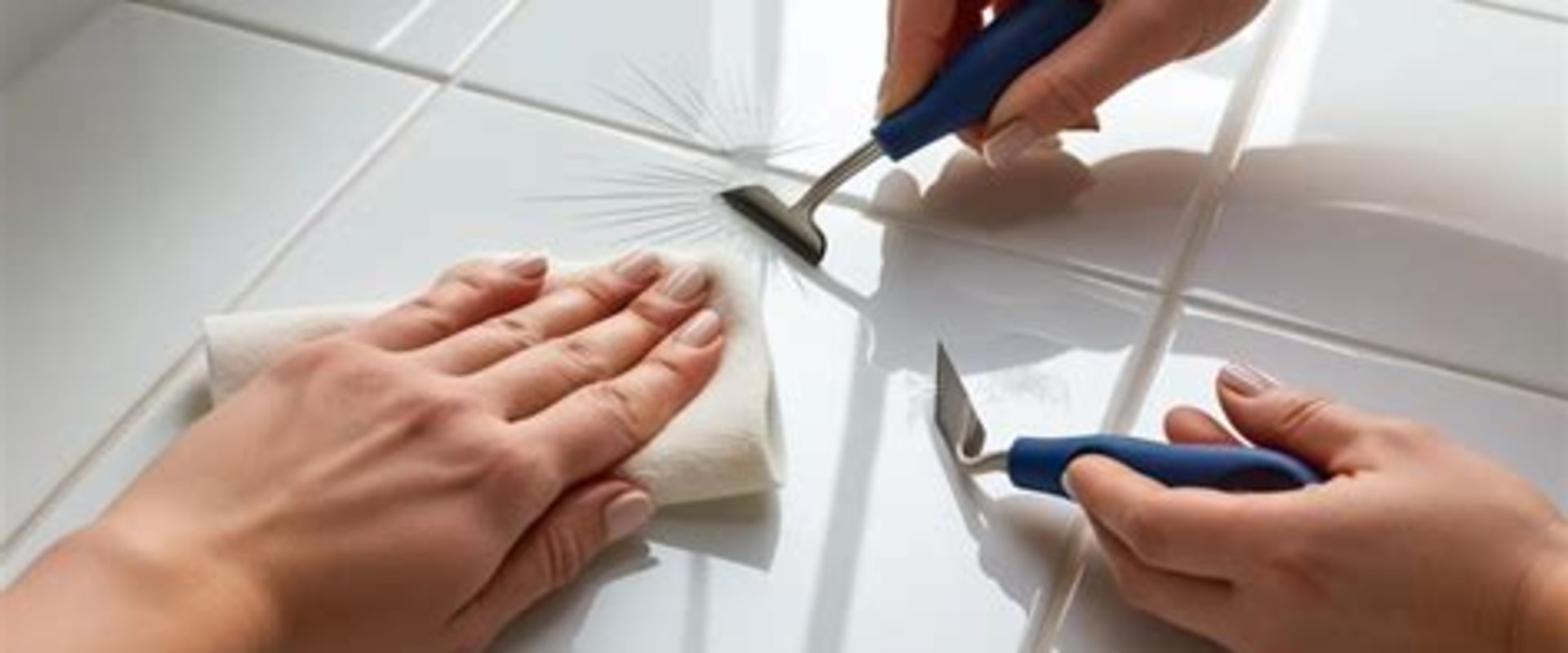
Tile floors are a popular choice for many homeowners due to their durability, aesthetic appeal, and ease of maintenance. However, despite their robust nature, tile floors are not immune to damage. Understanding the common vulnerabilities of tile flooring is crucial for effective residential floor care. One of the most prevalent issues faced by tile floors is scratching, which can detract from their beauty and longevity. Tile surfaces can be susceptible to scratches from various sources, including furniture movement, pet claws, and even the grit and dirt that accumulate over time.
The hardness of the tile itself does not guarantee immunity from scratches; rather, it is often the finish or glaze that can wear down and become more vulnerable. Additionally, certain types of tiles, such as porcelain or ceramic, may have different levels of resistance to scratching based on their composition and surface treatment. Recognizing these vulnerabilities is the first step in implementing effective preventive measures. By understanding how scratches occur and what factors contribute to them, homeowners can take proactive steps to protect their investment. This not only enhances the appearance of the flooring but also extends its lifespan, making it essential for anyone looking to maintain their tile floors in pristine condition.
Choosing the Right Tile for Your Home
When it comes to residential floor care, selecting the right tile can make a significant difference in maintaining a scratch-free environment.Different tile materials offer varying levels of durability and scratch resistance, which is crucial for high-traffic areas in your home.
Tile Material Comparison
- Ceramic Tile: Known for its affordability and versatility, ceramic tiles are generally resistant to scratches. However, they can chip if heavy objects are dropped on them.
- Porcelain Tile: A subtype of ceramic, porcelain tiles are denser and less porous, making them more resistant to scratches and stains. They are an excellent choice for both indoor and outdoor use.
- Natural Stone: Options like granite and slate offer unique aesthetics but can be more susceptible to scratches if not properly sealed. Regular maintenance is essential to keep them looking their best.
- Vinyl Tile: While not as luxurious as stone or ceramic, vinyl tiles provide a soft surface that is resistant to scratches.
They are ideal for families with pets or young children.
- PEI Rating: The Porcelain Enamel Institute (PEI) rating indicates the tile's durability. A higher rating means better resistance to scratches.
- Finish: Tiles with a matte finish tend to hide scratches better than glossy finishes, which can show wear more easily.
- Thickness: Thicker tiles generally offer better durability and resistance to damage compared to thinner options.
Implementing Protective Measures
To maintain the pristine condition of your tile floors, implementing protective measures is essential. These strategies not only enhance the aesthetic appeal of your home but also significantly reduce the risk of scratches and damage.- Use Floor Mats: Placing floor mats at entryways is one of the simplest yet most effective ways to protect your tile floors.
These mats trap dirt, debris, and moisture that can scratch or dull the surface of your tiles. Opt for mats with a non-slip backing to ensure they stay in place and provide maximum protection.
- Incorporate Area Rugs: Strategically placing area rugs in high-traffic zones can act as a buffer against wear and tear. Choose rugs made from durable materials that are easy to clean. Ensure they are secured with non-slip pads to prevent slipping and sliding.
- Utilize Furniture Pads: When moving furniture, always use furniture pads on the legs of chairs, tables, and sofas.
These pads help distribute weight evenly and prevent sharp edges from scratching your tile floors. Regularly check and replace worn-out pads to maintain their effectiveness.
- Avoid High Heels and Heavy Shoes: Encourage family members and guests to remove their shoes or switch to softer-soled footwear when indoors. High heels and heavy shoes can exert significant pressure on tile surfaces, leading to scratches over time.
Regular Maintenance and Cleaning Practices
To maintain the beauty and integrity of your tile floors, regular maintenance and proper cleaning practices are essential. By implementing a consistent care routine, you can significantly reduce the risk of scratches and prolong the life of your flooring.1.Sweep or Vacuum Regularly
- Dust, dirt, and debris can act like sandpaper on your tile floors.
Make it a habit to sweep or vacuum at least once a week to remove these particles.
- Use a vacuum cleaner with a soft brush attachment to avoid scratching the surface.
2.Use the Right Cleaning Products
- Choose pH-neutral cleaners specifically designed for tile floors. Avoid harsh chemicals that can damage the finish.
- Always follow the manufacturer's recommendations for cleaning products to ensure compatibility with your tile type.
3.Mop with Care
- When mopping, use a damp mop rather than a soaking wet one. Excess water can seep into grout lines and cause damage over time.
- Consider using microfiber mops, which are gentle on tiles and effective at picking up dirt without scratching.
4.Protect High-Traffic Areas
- Place area rugs or mats in high-traffic zones to absorb impact and prevent scratches from shoes or furniture.
- Ensure that any mats used have a non-slip backing to prevent movement that could lead to accidents.
5.Address Spills Immediately
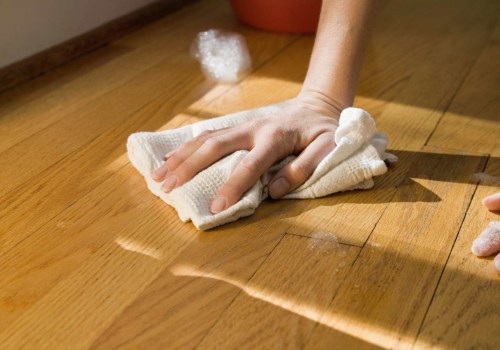
- Wipe up spills as soon as they occur to prevent staining and slipping hazards. Use a soft cloth or paper towel for quick clean-up.
- Avoid abrasive materials when cleaning up spills, as they can scratch the surface of your tiles.
Regular maintenance not only keeps your tiles looking pristine but also helps in preventing scratches that can detract from their overall appearance.
Dealing with Heavy Foot Traffic
Managing heavy foot traffic in residential spaces is crucial for maintaining the integrity of your tile floors. High traffic areas, such as entryways, hallways, and kitchens, are particularly susceptible to scratches and wear. Here are some effective strategies to minimize damage:- Use Area Rugs: Placing area rugs in high-traffic zones can significantly reduce the amount of dirt and debris that gets tracked onto your tile floors. Choose rugs with non-slip backing to ensure safety.
- Implement a No-Shoe Policy: Encourage family members and guests to remove their shoes upon entering your home.
This simple practice can drastically cut down on scratches and dirt accumulation.
- Regular Cleaning: Establish a routine cleaning schedule that includes sweeping or vacuuming to remove loose dirt and debris. Follow up with mopping using a gentle cleaner specifically designed for tile surfaces.
- Furniture Pads: Attach felt pads to the bottom of furniture legs to prevent scratching when items are moved. This is especially important for chairs and tables that are frequently used.
- Choose Durable Tile: If you’re considering new flooring, opt for tiles that are rated for high traffic. Porcelain and ceramic tiles are often more resistant to scratches compared to softer materials.
Remember, prevention is key; taking proactive measures will save you time and money on repairs in the long run.
Common Mistakes to Avoid in Tile Floor Care
When it comes to residential floor care, many homeowners unknowingly make mistakes that can lead to scratches and damage on their tile floors. Understanding these common pitfalls is essential for maintaining the beauty and longevity of your tiles.- Using the Wrong Cleaning Products: One of the most frequent mistakes is using harsh chemicals or abrasive cleaners. These can strip the protective finish of your tiles, making them more susceptible to scratches. Always opt for pH-neutral cleaners specifically designed for tile.
- Neglecting Regular Maintenance: Failing to sweep or vacuum regularly can lead to dirt and debris accumulating on the floor.
This buildup can act like sandpaper, scratching the surface when walked on. Establish a routine cleaning schedule to keep your tiles free from grit.
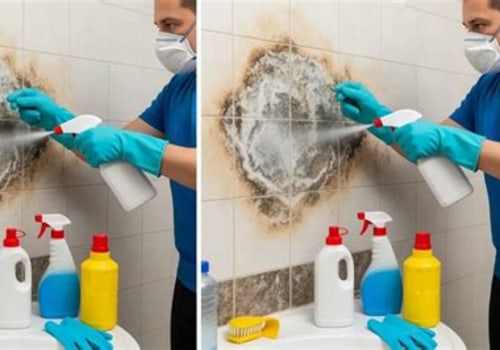
- Ignoring Grout Care: Dirty or damaged grout can not only detract from the appearance of your tile but also create a breeding ground for mold and mildew. Regularly clean and seal your grout lines to prevent deterioration that could lead to scratches.
- Not Using Mats or Rugs: Placing mats at entryways can significantly reduce the amount of dirt and debris tracked onto your tile floors. Additionally, using area rugs in high-traffic zones can provide an extra layer of protection against scratches.
- Dragging Furniture: Moving furniture without lifting it can cause significant scratches on tile floors.
Always lift furniture when moving it, or use furniture pads to protect the surface underneath.
FAQs About Preventing Scratches on Tile Floors
When it comes to preventing scratches on tile floors, many homeowners have questions. Here are some frequently asked questions that can help you maintain your tile flooring effectively.What are the best ways to prevent scratches on tile floors?
- Use area rugs: Placing rugs in high-traffic areas can significantly reduce the risk of scratches.
- Choose the right furniture: Use furniture pads or coasters under heavy items to prevent them from scratching the surface.
- Avoid abrasive cleaners: Stick to gentle cleaning solutions that won’t wear down the tile finish.
- Regular maintenance: Sweep or vacuum regularly to remove dirt and debris that can cause scratches.
Can I use a steam mop on my tile floors?
While steam mops can be effective for cleaning, they may not be suitable for all types of tile. Always check the manufacturer's recommendations before using a steam mop, as excessive heat and moisture can damage certain tiles and grout.How often should I clean my tile floors?
For optimal residential floor care, it’s advisable to clean your tile floors at least once a week.However, high-traffic areas may require more frequent cleaning to prevent dirt buildup and potential scratches.
Are there specific tiles that are more scratch-resistant?
Ceramic and porcelain tiles are generally more resistant to scratches compared to natural stone tiles. If scratch resistance is a priority, consider these materials when selecting your flooring.What should I do if my tile floor gets scratched?
- Minor scratches: For light scratches, a simple polishing compound may help restore the shine.
- Deep scratches: For deeper damage, you may need to consult a professional for repair or replacement options.
Conclusion: Key Takeaways for Protecting Your Tile Floors
In conclusion, maintaining the beauty and integrity of your tile floors requires a proactive approach to residential floor care. By implementing the strategies discussed, you can significantly reduce the risk of scratches and prolong the life of your flooring. Here are the key takeaways:- Regular Cleaning: Establish a routine cleaning schedule that includes sweeping or vacuuming to remove dirt and debris that can cause scratches.
- Use Protective Mats: Place mats at entryways to trap dirt and grit before it reaches your tile floors.
This simple step can make a big difference.
- Furniture Pads: Equip furniture legs with felt pads to prevent scratching when moving items around. This is especially important for heavy furniture.
- Avoid Harsh Chemicals: Use pH-balanced cleaners specifically designed for tile floors. Harsh chemicals can damage the finish and make tiles more susceptible to scratches.
- Seal Your Tiles: If your tiles are porous, consider applying a sealant to protect against scratches and stains. Regularly resealing can enhance durability.
Remember, a little effort in residential floor care goes a long way in preserving the elegance of your living space.