Understanding wax buildup on hardwood floors is essential for any homeowner committed to maintaining the beauty and longevity of their flooring. Over time, the application of wax can lead to a thick, cloudy layer that not only detracts from the natural luster of the wood but can also trap dirt and grime, making your floors look dull and uninviting. This buildup often occurs when multiple layers of wax are applied without proper cleaning in between, creating a sticky residue that is difficult to remove. The causes of wax buildup can vary, but common culprits include the use of inappropriate cleaning products, infrequent maintenance, and the application of wax over previously waxed surfaces without adequate preparation. Many homeowners may not realize that using a product designed for residential floor care is crucial; using the wrong cleaner can exacerbate the problem, leading to even more buildup.
Additionally, environmental factors such as humidity and temperature fluctuations can affect how wax adheres to your floors. Addressing wax buildup is not just about aesthetics; it’s also about preserving the integrity of your hardwood floors. Neglecting this issue can lead to more significant problems down the line, including damage to the wood itself. By understanding how wax buildup occurs and its implications, homeowners can take proactive steps in their residential floor care routine to ensure their hardwood floors remain in pristine condition for years to come.
Signs of Wax Buildup
Recognizing the signs of wax buildup on your hardwood floors is crucial for effective hardwood floor maintenance. Ignoring these signs can lead to more significant issues, including damage to the wood itself.Here are some common indicators that your floors may be suffering from excessive wax accumulation:
- Dull Appearance: One of the first signs of wax buildup is a dull, cloudy appearance on the surface of the floor. Instead of a rich, glossy finish, the floor may look lifeless and lackluster.
- Sticky Residue: If you notice a sticky or tacky feel when walking on your floors, it could be due to layers of wax that have not been properly maintained. This residue can attract dirt and dust, making your floors look even worse.
- Uneven Shine: Wax buildup can lead to an uneven sheen across your hardwood floors. Some areas may appear shinier than others, indicating that there are multiple layers of wax that need to be addressed.
- Difficulty Cleaning: If you find that regular cleaning methods are no longer effective in removing dirt and grime, it may be a sign that wax has built up over time.
Traditional mopping may leave streaks or not clean effectively at all.
- Visible Scratches: Excessive wax can also highlight scratches and imperfections in the wood. Instead of blending in, these marks may become more pronounced due to the reflective nature of the wax.
Tools and Materials Needed for Removal
To effectively remove wax buildup from hardwood floors, having the right tools and materials is essential. Below is a comprehensive list to help you prepare for the cleaning process.- Buckets: A couple of buckets will be necessary for mixing cleaning solutions and rinsing your mop.
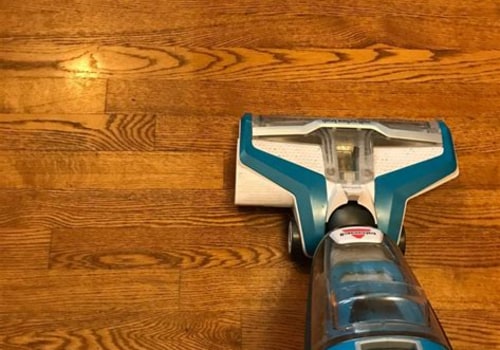
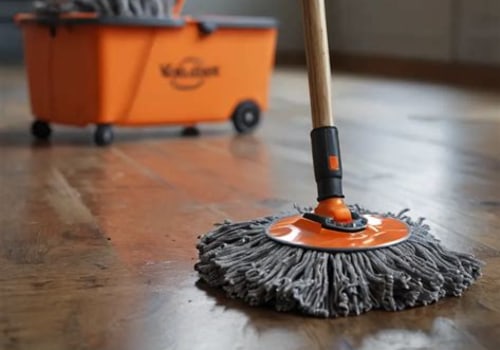
- Mop: A microfiber mop is ideal for applying cleaning solutions without scratching the floor.
- Scrub Brush: A soft-bristled scrub brush can help lift stubborn wax without damaging the wood.
- Floor Cleaner: Choose a pH-neutral cleaner specifically designed for hardwood floors.
Avoid harsh chemicals that can damage the finish.
- White Vinegar: This natural ingredient can be mixed with water to create an effective wax remover.
- Rags or Towels: Soft, absorbent cloths are essential for drying the floor after cleaning and for buffing out any remaining wax.
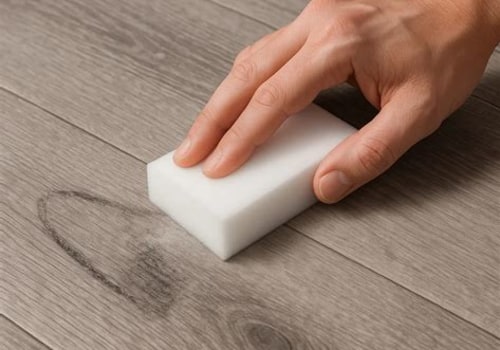
- Sponge: A sponge can be useful for applying cleaning solutions in hard-to-reach areas.
- Plastic Scraper: A plastic scraper can help gently lift wax buildup without scratching the surface of your hardwood floors.
- Wood Floor Polish: After removing the wax, applying a polish can restore shine and protect the wood.
- Protective Gloves: To protect your hands from cleaning solutions, wear gloves during the process.
Step-by-Step Guide to Removing Wax Buildup
Removing wax buildup from hardwood floors is essential for maintaining their beauty and longevity. Follow this step-by-step guide to effectively eliminate wax residue and restore your floors.- Gather Your Supplies: Before you start, make sure you have the following items:
- White vinegar
- Water
- A bucket
- A soft cloth or mop
- A plastic scraper or putty knife
- Floor cleaner specifically designed for hardwood floors (optional)
- Prepare the Cleaning Solution: In a bucket, mix equal parts of white vinegar and warm water.
This solution will help break down the wax buildup without damaging the wood.
- Test a Small Area: Before applying the solution to the entire floor, test it on a small, inconspicuous area to ensure it does not harm the finish.
- Apply the Solution: Dampen your cloth or mop with the vinegar solution, ensuring it is not soaking wet. Wipe down a small section of the floor, allowing the solution to sit for a few minutes to penetrate the wax.
- Scrape Off the Wax: Using a plastic scraper or putty knife, gently scrape away the softened wax. Be careful not to scratch the wood surface. Wipe away any residue with your damp cloth.
- Rinse and Dry: After removing the wax, rinse your cloth or mop with clean water and go over the area again to remove any remaining vinegar solution.
Dry the floor thoroughly with a clean, dry cloth to prevent moisture damage.
- Repeat as Necessary: For stubborn wax buildup, you may need to repeat these steps until all residue is removed. Regular maintenance is key in residential floor care.
Alternative Methods for Wax Removal
When it comes to removing wax buildup from hardwood floors, there are several alternative methods that can effectively restore the beauty of your flooring. These methods range from natural solutions to commercial products, catering to various preferences and needs.Natural Solutions
If you prefer a more eco-friendly approach, consider using natural ingredients that are often found in your home:- Vinegar and Water: Mix equal parts of white vinegar and warm water in a bucket.
Dampen a soft cloth with the solution and gently rub the waxy areas. Vinegar helps to break down the wax without damaging the wood.
- Baking Soda Paste: Create a paste using baking soda and water. Apply it to the wax buildup and let it sit for a few minutes before gently scrubbing with a soft cloth. Rinse with clean water afterward.
- Olive Oil and Vinegar: Combine 1/4 cup of olive oil with 1/4 cup of vinegar.
This mixture not only helps remove wax but also conditions the wood, leaving it shiny.
Commercial Products
If you prefer a more straightforward approach, there are numerous commercial products designed specifically for hardwood floor cleaning. Look for:- Wax Removers: These products are formulated to dissolve wax buildup effectively. Always follow the manufacturer's instructions for best results.
- Floor Strippers: For heavy-duty cleaning, floor strippers can remove multiple layers of wax. Ensure that the product is safe for hardwood floors.
- pH-Balanced Cleaners: These cleaners are gentle on wood while effectively cutting through grime and wax residues.
Regular maintenance and proper cleaning techniques will help keep your hardwood floors looking their best while minimizing wax buildup in the future.
Preventing Future Wax Buildup
Preventing wax buildup on hardwood floors is essential for maintaining their natural beauty and ensuring their longevity. Here are some effective tips and best practices for residential floor care that can help you avoid the accumulation of wax:- Regular Cleaning: Establish a routine cleaning schedule using a soft-bristle broom or a microfiber mop. This will help remove dust and debris that can contribute to wax buildup.
- Avoid Wax-Based Products: When selecting cleaning products, opt for those specifically designed for hardwood floors. Avoid using wax-based cleaners, as they can lead to a sticky residue over time.
- Use a Damp Mop: Instead of wet mopping, which can damage hardwood, use a damp mop with a pH-neutral cleaner.
This method helps lift dirt without leaving behind any waxy residue.
- Implement Area Rugs: Place area rugs in high-traffic zones to minimize wear and tear on your hardwood floors. This will reduce the need for frequent cleaning and waxing.
- Monitor Humidity Levels: Maintain consistent humidity levels in your home. Excessive moisture can cause wood to swell, while low humidity can lead to cracks. Both conditions can affect the finish of your floors.
Remember, prevention is key in residential floor care, so invest time in these practices to enjoy beautiful hardwood floors for years to come.
Frequently Asked Questions (FAQs)
When it comes to wax buildup on hardwood floors, many homeowners have questions. Here are some of the most frequently asked questions regarding wax removal and general residential floor care.What is the best way to remove wax buildup from hardwood floors?
The most effective method for removing wax buildup is to use a combination of a wax remover and a soft cloth or mop. Start by applying the wax remover according to the manufacturer's instructions, allowing it to sit for a few minutes to penetrate the buildup. Then, gently scrub the area with a soft cloth or mop until the wax is lifted.Rinse the area with clean water and dry thoroughly.
Can I use vinegar to remove wax from hardwood floors?
While vinegar is a popular natural cleaning agent, it is not recommended for removing wax from hardwood floors. The acidity in vinegar can damage the finish of your floors. Instead, opt for a commercial wax remover specifically designed for hardwood.How often should I clean my hardwood floors?
For optimal residential floor care, it’s advisable to clean your hardwood floors at least once a week. Regular sweeping or vacuuming will help prevent dirt and debris from scratching the surface.Additionally, deep cleaning should be done every few months, especially if you notice any wax buildup.
Is it necessary to re-wax hardwood floors?
Re-waxing is not always necessary, but it can enhance the shine and protect the wood. If your floors look dull or have lost their luster, applying a fresh coat of wax can rejuvenate their appearance. However, ensure that all old wax is removed before applying new wax.What should I avoid when caring for hardwood floors?
- Avoid using harsh chemicals or abrasive cleaners that can damage the finish.
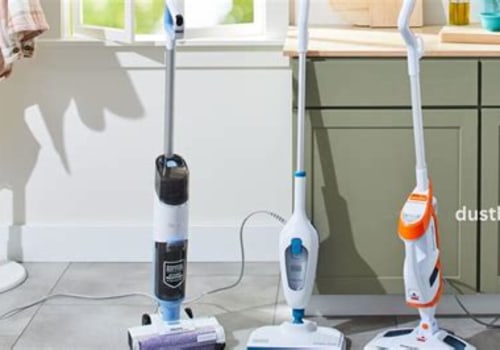
- Do not use steam cleaners, as excessive moisture can warp the wood.
- Refrain from using vinegar or ammonia-based products.
- Never apply too much water during cleaning; always use a damp mop instead of soaking wet.
Conclusion: Maintaining Beautiful Hardwood Floors
In conclusion, maintaining beautiful hardwood floors requires a commitment to regular maintenance and proper care. Throughout this article, we have explored various methods for removing wax buildup and ensuring your floors remain in pristine condition.By following these guidelines, you can extend the life of your hardwood floors and keep them looking their best.To recap, here are the essential steps for effective residential floor care:
- Regular Cleaning: Sweep or vacuum your hardwood floors frequently to remove dirt and debris that can scratch the surface.
- Use Appropriate Products: Always choose cleaning products specifically designed for hardwood floors to avoid damaging the finish.
- Wax Removal: If you encounter wax buildup, utilize a mixture of vinegar and water or a commercial wax remover to restore the floor's natural shine.
- Protective Measures: Place mats at entryways and use furniture pads to prevent scratches and dents.
- Humidity Control: Maintain a stable humidity level in your home to prevent wood from expanding or contracting, which can lead to gaps or warping.