When it comes to residential floor care, understanding the fundamentals is essential for maintaining a clean and safe living environment. Floors are not just surfaces we walk on; they play a crucial role in the overall aesthetic and hygiene of our homes. Regular maintenance not only enhances the appearance of your floors but also extends their lifespan, making it a worthwhile investment for any homeowner. One of the key aspects of effective floor cleaning is recognizing the importance of using the right products and techniques. With a myriad of cleaning solutions available, it can be tempting to reach for chemical cleaners that promise quick results.
However, these products can pose risks if not used properly. Understanding how to care for different types of flooring—be it hardwood, tile, or carpet—can help you choose the most appropriate cleaning methods and avoid potential damage. Moreover, maintaining your floors goes beyond mere aesthetics; it contributes significantly to the health and safety of your household. Dust, allergens, and bacteria can accumulate on unclean surfaces, leading to respiratory issues and other health concerns. By prioritizing floor maintenance, you create a cleaner atmosphere that promotes well-being for you and your family.
As we delve deeper into the topic, we will explore specific precautions to take when using chemical cleaners, ensuring that your approach to residential floor care is both effective and safe.
Types of Residential Floors and Their Care Requirements
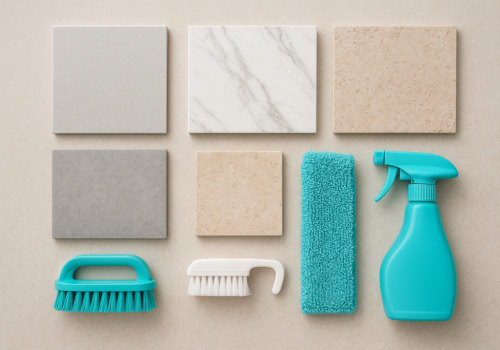
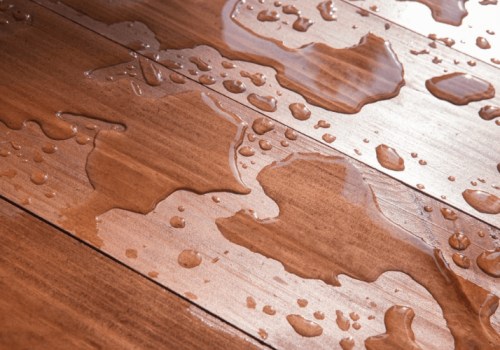
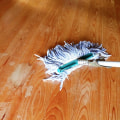
When it comes to residential floor care, understanding the different types of flooring and their specific cleaning requirements is essential for maintaining their appearance and longevity. Here’s a breakdown of common residential floor types and their care needs:- Hardwood Floors: These floors are known for their beauty and durability but require special attention. Use a damp mop with a pH-neutral cleaner specifically designed for hardwood. Avoid excessive water, as it can warp the wood.
Regularly dust or vacuum to remove dirt and debris that can scratch the surface.
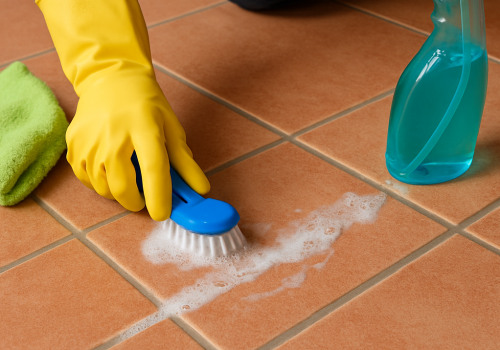
- Tile Floors: Tile is versatile and easy to clean, but grout lines can accumulate dirt. For routine cleaning, a mixture of warm water and a mild detergent works well. For deeper cleaning, consider using a steam cleaner or a specialized tile cleaner. Sealing grout lines every few years can help prevent staining.
- Laminate Floors: Laminate is resistant to scratches and stains but can be damaged by excessive moisture.
Clean with a damp mop and a laminate-specific cleaner. Avoid using wax or polish, as these can create a slippery surface.
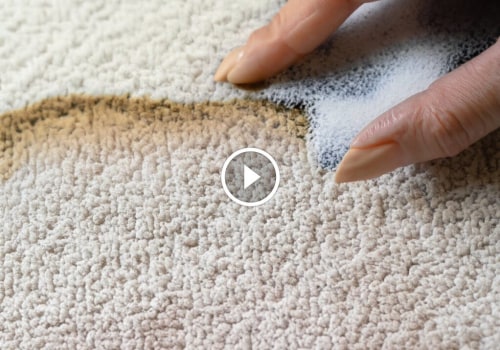
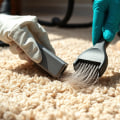
- Carpet: Carpets require regular vacuuming to remove dirt and allergens. For stains, act quickly with a carpet cleaner suitable for your carpet type. Professional deep cleaning every 12-18 months can help maintain its appearance and hygiene.
By understanding these differences, homeowners can choose the right cleaning products and methods, ensuring their floors remain in excellent condition for years to come.
Chemical Cleaners: What You Need to Know
When it comes to residential floor care, understanding the different types of chemical cleaners available is crucial for maintaining the integrity and appearance of your floors. Each type of cleaner is formulated with specific ingredients that target various types of dirt and stains, making it essential to choose the right product for your flooring material.Types of Chemical Cleaners
- All-Purpose Cleaners: These versatile cleaners can be used on multiple surfaces, including tile, laminate, and vinyl. They are effective for general cleaning but may not be suitable for delicate materials.
- Floor-Specific Cleaners: Designed for specific flooring types such as hardwood, laminate, or tile, these cleaners often contain ingredients that enhance the floor's natural shine and protect its finish.
- Disinfectants: Ideal for high-traffic areas, disinfectants kill germs and bacteria. However, they can be harsh on some floor finishes, so it's important to check compatibility.
- Stain Removers: These products are formulated to tackle tough stains like grease or wine.
They often contain stronger chemicals and should be used with caution.
Furthermore, ensure proper ventilation during cleaning to minimize inhalation of fumes.In summary, choosing the right chemical cleaner is vital for effective residential floor care. By understanding the types of cleaners available and their specific applications, you can maintain your floors while ensuring their longevity and aesthetic appeal.
Precautions When Using Chemical Cleaners
When it comes to residential floor care, using chemical cleaners can be effective, but it’s crucial to take certain precautions to ensure safety and prevent damage to your floors. Here are some essential tips to consider:- Read Labels Carefully: Always read the instructions and safety warnings on the cleaner's label. Different flooring materials may require specific types of cleaners, and using the wrong product can lead to irreversible damage.
- Test in a Small Area: Before applying any chemical cleaner to your entire floor, test it in a small, inconspicuous area.
This will help you determine if the cleaner reacts negatively with your flooring material.
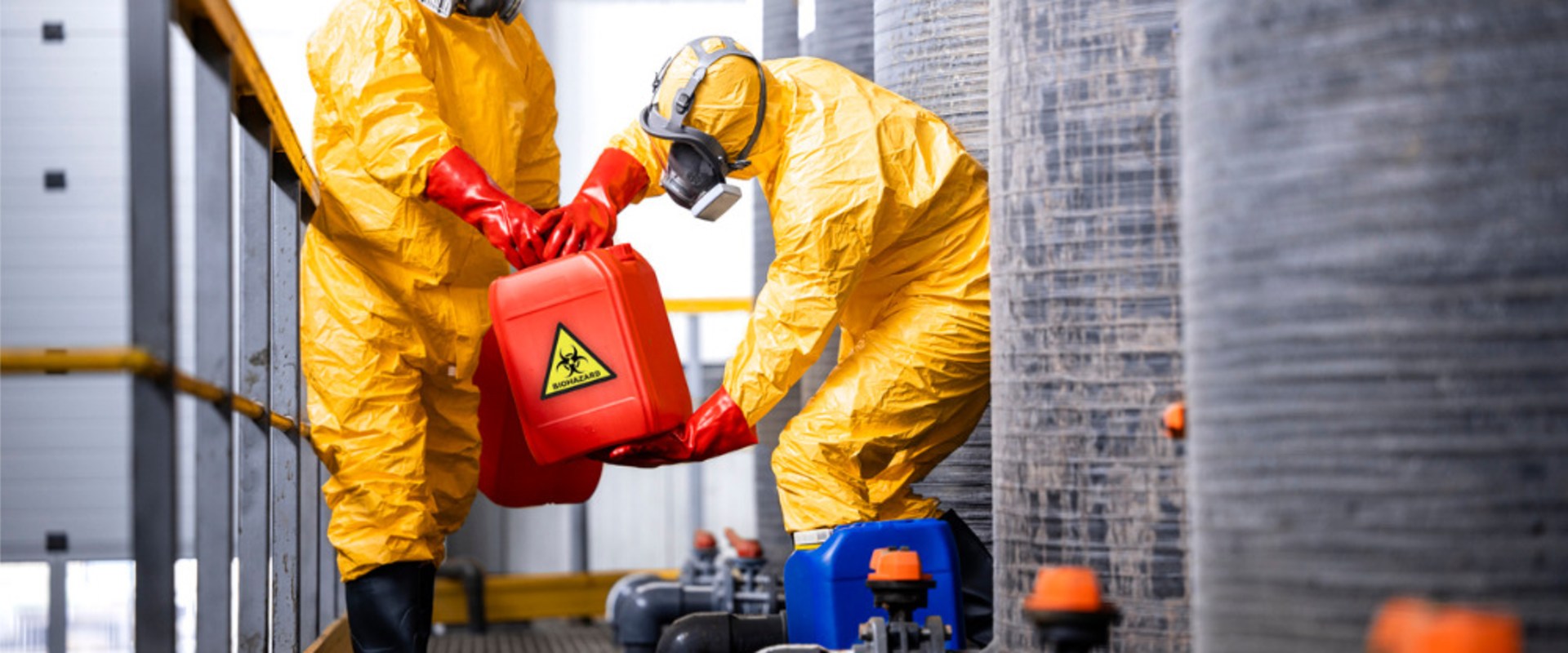
- Use Protective Gear: When handling chemical cleaners, wear gloves and a mask to protect your skin and respiratory system. This is especially important in poorly ventilated areas.
- Ensure Proper Ventilation: Open windows and doors to allow fresh air to circulate while cleaning. Good ventilation helps dissipate fumes that can be harmful when inhaled.
- Avoid Mixing Cleaners: Never mix different chemical cleaners, as this can create toxic fumes or dangerous reactions. Stick to one product at a time.
- Follow Up with Rinsing: After using a chemical cleaner, rinse the floor with water if recommended.
This helps remove any residue that could attract dirt or cause slipperiness.
- Store Safely: Keep all cleaning products out of reach of children and pets. Store them in a cool, dry place away from direct sunlight.
Environmental and Health Considerations
When it comes to residential floor care, the choice of cleaning products can significantly impact both the environment and the health of your household. Many conventional chemical cleaners contain harsh substances that can contribute to air and water pollution, as well as pose health risks to residents.Environmental Impact of Cleaners
The environmental footprint of chemical cleaners is often overlooked.Many of these products are made with synthetic chemicals that do not break down easily, leading to contamination of soil and waterways. Additionally, the production and disposal of these cleaners can release harmful emissions into the atmosphere. Homeowners should be aware that even small amounts of these chemicals can accumulate over time, affecting local ecosystems.
Health Risks of Chemical Cleaners
Using chemical cleaners in your home can also pose serious health risks. Many contain volatile organic compounds (VOCs) that can lead to respiratory issues, skin irritations, and other health problems.Prolonged exposure to these substances may increase the risk of chronic conditions, particularly for vulnerable populations such as children and the elderly. It’s essential to read labels carefully and consider the potential effects on your family’s health.
Eco-Friendly Alternatives
Fortunately, there are numerous eco-friendly alternatives available that are both effective and safer for your home and the environment. Consider using natural ingredients like vinegar, baking soda, or lemon juice for cleaning purposes. These substances not only clean effectively but also minimize harmful chemical exposure.Additionally, many brands now offer biodegradable and non-toxic cleaning products that are designed specifically for residential floor care.In conclusion, being mindful of the environmental and health implications of chemical cleaners is crucial for conscientious homeowners. By opting for eco-friendly alternatives, you can maintain a clean home while protecting both your family’s health and the planet.
FAQs About Chemical Cleaners and Floor Care
When it comes to residential floor care, many homeowners have questions about the safe use of chemical cleaners. Here are some frequently asked questions that can help clarify your concerns:What are the risks of using chemical cleaners on floors?
Chemical cleaners can pose several risks, including:- Health hazards: Many chemical cleaners contain volatile organic compounds (VOCs) that can irritate the respiratory system and skin.
- Floor damage: Some harsh chemicals can strip the finish from hardwood or damage tiles, leading to costly repairs.
- Environmental impact: Chemical runoff can harm local ecosystems if not disposed of properly.
How can I safely use chemical cleaners on my floors?
To minimize risks while ensuring effective cleaning, consider the following precautions:- Read labels: Always follow the manufacturer's instructions and safety warnings on the product label.
- Ventilation: Ensure proper ventilation by opening windows and using fans to disperse fumes.
- Test first: Conduct a spot test in an inconspicuous area to check for any adverse reactions with your flooring material.
- Protective gear: Wear gloves and a mask to protect your skin and lungs from harmful chemicals.
Are there alternatives to chemical cleaners?
If you're concerned about using chemical cleaners, there are several effective alternatives for residential floor care, such as:- Vinegar and water: A mixture of vinegar and water can effectively clean many types of floors without harsh chemicals.
- Baking soda: This natural abrasive can help remove stains and odors without damaging surfaces.
- Commercial eco-friendly products: Look for cleaners labeled as biodegradable or non-toxic for a safer option.
Conclusion: Best Practices for Safe Floor Cleaning
In conclusion, maintaining residential floors while using chemical cleaners requires a careful approach to ensure both cleanliness and safety. By following best practices, homeowners can effectively manage their floor care without compromising health or the integrity of their flooring materials.Key Floor Cleaning Tips
- Read Labels: Always check the labels of cleaning products for specific instructions and safety warnings.
This ensures you are using the product correctly and safely.
- Ventilation: Ensure proper ventilation in the area you are cleaning. Open windows and doors to allow fresh air to circulate, reducing the concentration of fumes.
- Test First: Before applying any cleaner to a large area, test it on a small, inconspicuous spot to check for any adverse reactions with your flooring.
- Use Appropriate Tools: Utilize the right tools for application, such as microfiber mops or soft cloths, to avoid scratching or damaging your floors.
Best Practices for Using Cleaners
- Dilution: If the cleaner requires dilution, follow the recommended ratios to prevent damage and ensure effectiveness.
- Storage: Store chemical cleaners out of reach of children and pets, preferably in a cool, dry place to maintain their efficacy and safety.
- Frequency: Clean floors regularly but avoid overusing harsh chemicals. Sometimes, warm water and mild soap are sufficient for routine maintenance.