Cork flooring is a unique and sustainable choice for residential spaces, offering a blend of style, comfort, and eco-friendliness. Made from the bark of cork oak trees, this flooring option is not only visually appealing but also provides excellent insulation and sound absorption. As more homeowners seek environmentally responsible materials, cork flooring has gained popularity due to its renewable nature and low environmental impact. One of the standout benefits of cork flooring is its natural resilience. The cellular structure of cork makes it resistant to moisture, mold, and mildew, making it an ideal choice for areas prone to spills or humidity.
Additionally, cork is naturally hypoallergenic, which can contribute to a healthier indoor environment. Its soft surface provides comfort underfoot, reducing fatigue for those who spend long hours standing. However, to fully enjoy the advantages of cork flooring, proper residential floor care is essential. Regular maintenance not only enhances the aesthetic appeal but also extends the lifespan of your flooring. Understanding how to clean and care for cork will ensure that it remains a beautiful and functional part of your home for years to come.
In the following sections, we will explore effective cleaning techniques and maintenance tips tailored specifically for cork flooring.
Daily Cleaning Practices for Cork Flooring
Maintaining the beauty and integrity of your cork flooring requires consistent daily cleaning practices. By incorporating simple yet effective techniques into your routine, you can ensure that your floors remain in excellent condition.Essential Tools for Daily Cleaning
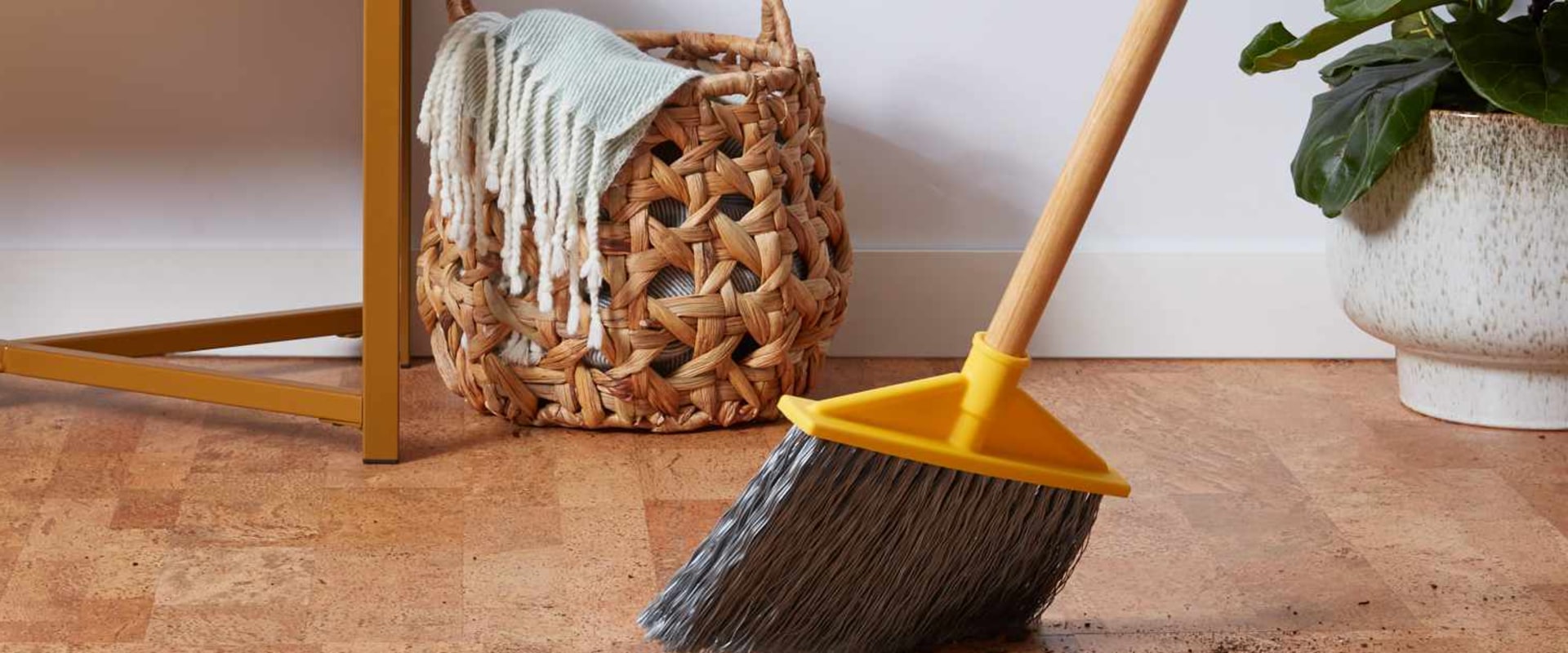
- Soft-bristle broom: Ideal for sweeping away dust and debris without scratching the surface.
- Mop: Use a damp mop with a microfiber head to gently clean the floor without excess water.
- Vacuum cleaner: A vacuum with a soft brush attachment can effectively remove dirt and pet hair.
- pH-neutral cleaner: Choose a cleaner specifically designed for cork or hardwood floors to avoid damaging the finish.
Daily Cleaning Steps
- Sweep or Vacuum: Start by sweeping or vacuuming the floor to remove loose dirt and debris. This prevents scratches and keeps the surface clean.
- Damp Mop: After sweeping, use a damp mop with a pH-neutral cleaner. Ensure the mop is not soaking wet, as excess moisture can damage cork.
- Spot Clean: For spills or stains, promptly wipe them up with a soft cloth.
If necessary, use a small amount of the pH-neutral cleaner on the cloth.
- Avoid Harsh Chemicals: Steer clear of abrasive cleaners or those containing ammonia, as they can harm the cork's finish.
Deep Cleaning Cork Floors: A Step-by-Step Guide
Deep cleaning cork floors is essential for maintaining their beauty and longevity. Here’s a step-by-step guide to ensure your cork flooring remains in top condition.- Gather Your Supplies: Before you start, make sure you have the following items:
- A soft-bristle broom or vacuum cleaner with a soft attachment
- A mop (preferably microfiber)
- A bucket
- Warm water
- pH-neutral cleaner specifically designed for cork flooring
- A clean, dry towel or cloth
- Remove Loose Dirt and Debris: Begin by sweeping or vacuuming the floor to eliminate any loose dirt, dust, or debris. This step is crucial as it prevents scratching the surface during the deep cleaning process.
- Prepare the Cleaning Solution: In a bucket, mix warm water with a few drops of the pH-neutral cleaner.
Avoid using harsh chemicals or vinegar, as they can damage the cork.
- Mop the Floor: Dip the microfiber mop into the cleaning solution, wring it out thoroughly to avoid excess water, and start mopping the floor in sections. Always mop in the direction of the grain to ensure an even clean.
- Spot Clean Stains: For stubborn stains, apply a small amount of the cleaner directly to the affected area and gently scrub with a soft cloth. Rinse with clean water afterward.
- Dry the Floor: After mopping, use a clean, dry towel to wipe up any remaining moisture. This step is vital as standing water can warp cork flooring.
- Regular Maintenance: To keep your cork floors looking their best, incorporate this deep cleaning routine every few months.
Additionally, consider using a protective sealant every few years to enhance durability and resistance to stains.
Preventing Damage to Cork Flooring
Cork flooring is a beautiful and sustainable choice for residential spaces, but it requires proper maintenance to prevent damage and ensure longevity. Understanding the common issues that can affect cork flooring is essential for effective residential floor care.Common Issues That Can Damage Cork Flooring:
- Moisture Damage: Excessive moisture can lead to warping and mold growth. Cork is naturally resistant to water, but prolonged exposure can still cause problems.
- Scratches and Dents: Heavy furniture or sharp objects can scratch or dent the surface of cork flooring, compromising its aesthetic appeal.
- Sunlight Exposure: Direct sunlight can fade the color of cork over time, leading to uneven tones and a worn appearance.
Preventive Measures for Cork Floor Maintenance:
- Control Humidity: Maintain indoor humidity levels between 30% and 50%.
Use dehumidifiers in damp areas and ensure proper ventilation.
- Use Protective Pads: Place felt pads under furniture legs to prevent scratches. Regularly check and replace these pads as needed.
- Avoid Harsh Cleaners: Use pH-neutral cleaners specifically designed for cork flooring. Avoid vinegar or ammonia-based products that can damage the finish.
- Implement Area Rugs: Use area rugs in high-traffic zones to protect the cork from wear and tear while adding style to your space.
- Limit Sunlight Exposure: Use curtains or blinds to shield cork flooring from direct sunlight, reducing the risk of fading.
Maintaining Cork Flooring Finish and Sealing
Maintaining the finish on your cork flooring is essential for preserving its beauty and longevity.The finish acts as a protective barrier against moisture, stains, and wear, making regular maintenance crucial for residential floor care.
Importance of Maintaining Cork Flooring Finish
- Protection Against Damage: A well-maintained finish helps prevent scratches and dents that can occur from everyday use.
- Moisture Resistance: Cork is naturally resistant to moisture, but a good seal enhances this property, preventing water damage.
- Aesthetic Appeal: Regular maintenance keeps the floor looking fresh and vibrant, enhancing the overall appearance of your home.
How to Maintain the Finish
- Regular Cleaning: Sweep or vacuum your cork floors regularly to remove dirt and debris. Use a damp mop with a pH-neutral cleaner specifically designed for cork.
- Avoid Harsh Chemicals: Steer clear of abrasive cleaners or those containing ammonia, as they can damage the finish.
- Reapply Finish: Depending on foot traffic, consider reapplying a cork-specific finish every 3-5 years to maintain protection.
Sealing Cork Floors
Sealing your cork flooring is another vital step in ensuring its durability. A proper seal not only protects against moisture but also enhances the floor's natural beauty.
- Select the Right Sealant: Choose a sealant that is compatible with cork flooring. Water-based polyurethane is often recommended for its durability and ease of application.
- Application Process: Before sealing, ensure the floor is clean and dry.
Apply the sealant evenly using a roller or brush, following the manufacturer's instructions for drying times between coats.
- Frequency of Sealing: Depending on usage, reseal your cork floors every 3-7 years to maintain optimal protection.
Addressing Common Issues with Cork Flooring
Cork flooring is a popular choice for many homeowners due to its unique aesthetic and eco-friendly properties. However, like any flooring material, it can present certain challenges. Here are some common issues associated with cork flooring and effective residential floor care solutions to address them.- Water Damage: Cork is naturally resistant to moisture, but excessive water exposure can lead to swelling and warping.
To prevent this, promptly clean up spills and avoid mopping with excess water. If you notice water damage, dry the area immediately and consider using a dehumidifier in high-humidity environments.
- Scratches and Dents: While cork is durable, it can still be susceptible to scratches from furniture or pet claws. To fix minor scratches, use a cork repair kit or a wood filler that matches your flooring color. For deeper dents, consider sanding the area lightly and applying a sealant to restore its finish.
- Fading Colors: Over time, cork flooring can fade due to sunlight exposure.
To mitigate this issue, use area rugs in high-traffic areas and consider applying UV-blocking window treatments. If fading occurs, refinishing the floor can help restore its original color.
- Mold and Mildew: Cork’s porous nature can sometimes lead to mold growth in damp conditions. Regularly inspect your flooring for signs of mold and clean it with a mixture of vinegar and water. Ensure proper ventilation in your home to reduce humidity levels.
Regular maintenance not only enhances the appearance of your floors but also extends their lifespan, making them a worthwhile investment in your home.
FAQs About Cork Flooring Maintenance
Maintaining cork flooring can raise several questions, especially for homeowners looking to ensure their residential floor care is effective and efficient. Here are some frequently asked questions regarding the maintenance of cork floors:How often should I clean my cork flooring?
It is recommended to clean your cork flooring at least once a week to prevent dirt and debris buildup. For high-traffic areas, consider a more frequent cleaning schedule.What cleaning products are safe for cork floors?
When cleaning cork floors, it’s best to use a pH-neutral cleaner specifically designed for cork flooring maintenance. Avoid harsh chemicals or abrasive cleaners, as they can damage the surface.Can I use a steam mop on cork flooring?
No, using a steam mop is not advisable for cork floors.The heat and moisture can cause the cork to swell and warp. Instead, opt for a damp mop with a suitable cleaner.
How do I remove stains from cork flooring?
For minor stains, a mixture of warm water and vinegar can be effective. Apply it gently with a soft cloth. For tougher stains, consider using a specialized cork floor cleaner.Is it necessary to seal cork flooring?
While sealing is not mandatory, applying a sealant can enhance the durability of your cork flooring and protect it from moisture and stains.It’s advisable to reseal every few years depending on wear.
What should I do if my cork floor gets scratched?
If scratches occur, you can often repair them by using a touch-up kit designed for cork floors. For deeper scratches, sanding the area lightly and reapplying finish may be necessary.By addressing these common questions, homeowners can better understand how to care for their cork flooring effectively, ensuring longevity and maintaining its aesthetic appeal.Conclusion: Best Practices for Long-Lasting Cork Flooring
In conclusion, maintaining cork flooring is essential for ensuring its longevity and aesthetic appeal. By following the best practices outlined in this article, homeowners can enjoy the unique benefits of cork while minimizing wear and tear.Regular Cleaning: One of the most important aspects of residential floor care is consistent cleaning. Use a soft broom or vacuum with a brush attachment to remove dirt and debris.For deeper cleaning, a damp mop with a pH-neutral cleaner specifically designed for cork is recommended. Avoid harsh chemicals that can damage the surface.Protective Measures: To prevent scratches and dents, consider placing felt pads under furniture legs and using area rugs in high-traffic zones. This simple step can significantly reduce the risk of damage and maintain the floor's appearance.Humidity Control: Cork is sensitive to moisture and humidity levels. Maintaining a stable indoor environment with a humidity level between 30% and 50% will help prevent expansion or contraction of the flooring.
Using a dehumidifier in damp areas can be beneficial.Periodic Maintenance: Every few years, it’s advisable to apply a fresh coat of cork sealer or finish to protect the surface from wear and enhance its natural beauty. This not only prolongs the life of your flooring but also keeps it looking vibrant. By implementing these best practices, homeowners can ensure their cork flooring remains in excellent condition for years to come. Regular maintenance not only preserves the beauty of your floors but also contributes to a healthier indoor environment, making it a worthwhile investment for any residential space.