Gum is one of the most notorious substances that can find its way onto carpeted floors, and understanding why it sticks so tenaciously is crucial for effective residential floor care. The sticky nature of gum is primarily due to its composition, which includes a blend of polymers, resins, and waxes. These ingredients create a strong adhesive quality that allows gum to bond with the fibers of your carpet, making removal a challenging task. Moreover, the texture and material of carpets can exacerbate the problem. Carpets often have intricate weaves and varying pile heights, which can trap gum deeper within the fibers.
This not only complicates the removal process but also increases the risk of damaging the carpet if not handled properly. The longer gum remains on a carpet, the more difficult it becomes to remove, as it hardens over time and adheres more firmly. Additionally, the challenges of gum removal are compounded by the fact that many common cleaning methods can inadvertently spread the gum or push it further into the carpet. This highlights the importance of understanding both the nature of gum and the specific characteristics of your carpet when devising a plan for effective removal. By grasping these fundamental issues, homeowners can better prepare themselves for tackling this sticky situation head-on.
Essential Tools and Materials for Gum Removal
Removing gum from a carpeted floor can be a challenging task, but having the right tools and materials on hand can make the process much easier and more effective.Below is a list of essential items you will need to successfully tackle this sticky situation.
- Ice Cubes or Ice Pack: One of the most effective methods for hardening gum is to use ice. Applying ice cubes or an ice pack directly to the gum will make it brittle, allowing for easier removal.
- Plastic Scraper or Spoon: Once the gum has hardened, a plastic scraper or the edge of a spoon can be used to gently lift the gum from the carpet fibers without causing damage.
- White Vinegar: This common household item can help dissolve any remaining residue after the bulk of the gum has been removed. Its acidic properties break down the sticky substances effectively.
- Dish Soap: A mixture of warm water and dish soap can be used to clean any leftover stains. It’s gentle on carpets while still being effective in removing grime.
- Towels or Rags: Soft towels or rags are essential for blotting up any moisture and cleaning solutions used during the process.
They help prevent further staining and keep your workspace tidy.
- Carpet Cleaner (Optional): If there are stubborn stains left behind after removing the gum, a carpet cleaner can be beneficial. Choose one that is safe for your specific carpet type.
Step-by-Step Guide to Removing Gum from Carpet
Removing gum from a carpet can seem daunting, but with the right techniques, you can restore your carpet to its original state. Follow this step-by-step guide to effectively eliminate gum without damaging your carpet.- Gather Your Supplies: Before you start, collect the following items:
- Ice cubes or a freezer bag
- Plastic scraper or a dull knife
- White vinegar or rubbing alcohol
- Clean cloths or paper towels
- Carpet cleaner (optional)
- Freeze the Gum: Place ice cubes in a plastic bag and apply it directly to the gum for about 15 minutes.
This will harden the gum, making it easier to remove.
- Scrape Off the Gum: Once the gum is frozen, use a plastic scraper or dull knife to gently lift it off the carpet fibers. Be careful not to damage the carpet while scraping.
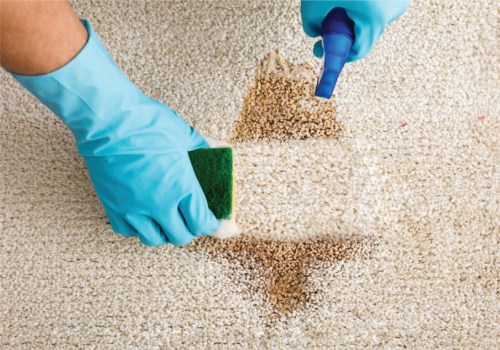
- Treat Residue: If any gum residue remains, apply a small amount of white vinegar or rubbing alcohol to a clean cloth. Dab it onto the affected area and let it sit for a few minutes to break down the remaining gum.
- Blot and Clean: After treating with vinegar or alcohol, blot the area with a clean cloth to absorb any loosened gum and liquid. Repeat as necessary until the area is clean.
- Rinse and Dry: Once all gum is removed, rinse the area with water and blot dry with a towel.
If desired, use a carpet cleaner to refresh the area.
Using Ice to Remove Gum: A Detailed Method
Removing gum from a carpet can be a daunting task, but using ice is an effective and non-chemical method that many homeowners prefer. The cold temperature of the ice hardens the gum, making it easier to lift away from the carpet fibers.Here’s a detailed process on how to use ice to remove gum from your carpet:- Gather Your Supplies: You will need ice cubes or a bag of ice, a plastic bag, a butter knife or a spoon, and a vacuum cleaner.
- Prepare the Ice: Place a handful of ice cubes into a plastic bag. This will prevent water from dripping onto your carpet while you work.
- Apply the Ice: Hold the bag of ice against the gum for about 15-20 minutes.
The goal is to freeze the gum completely, so ensure that it makes good contact with the gum.
- Check the Gum: After 20 minutes, check if the gum has hardened. It should feel firm to the touch. If it’s still soft, apply the ice for a few more minutes.
- Remove the Gum: Once the gum is frozen, use a butter knife or spoon to gently scrape it off the carpet. Be careful not to damage the fibers; work slowly and lift rather than pull.
- Clean Up Residue: After removing as much gum as possible, vacuum the area to pick up any small bits that may have been left behind.
This will also help restore the carpet’s texture.
Chemical Solutions: Safe Products for Gum Removal
When it comes to removing gum from carpets, utilizing the right chemical products can make the process significantly easier and more effective. Here are some safe and efficient options to consider:- Commercial Gum Removers: Many brands offer specialized gum removal solutions designed specifically for carpets.
These products often contain solvents that break down the gum's adhesive properties without damaging the carpet fibers. Look for products that are labeled as safe for residential use.
- Ice Cubes: While not a chemical solution per se, applying ice cubes to the gum can harden it, making it easier to scrape off. After hardening, you can use a commercial cleaner to remove any residue left behind.
- Vinegar: A common household item, vinegar can be an effective carpet cleaner. Apply white vinegar directly onto the gum and let it sit for a few minutes.
The acidity helps dissolve the gum, allowing you to scrape it away more easily.
- Rubbing Alcohol: This is another effective option for gum removal. Dampen a cloth with rubbing alcohol and gently dab it on the gum. The alcohol will help break down the sticky substance, making it easier to lift off.
Preventing Future Gum Incidents on Carpets
Preventing gum from becoming a nuisance on your carpets is essential for maintaining a clean and inviting home.Here are some effective strategies to help you avoid future gum incidents:
- Designate Chewing Areas: Encourage family members and guests to chew gum in specific areas, such as the kitchen or dining room, where spills are easier to manage. This can significantly reduce the chances of gum ending up on your carpets.
- Use Gum Disposal Bins: Place small trash bins in common areas where gum is likely to be chewed. Make it easy for everyone to dispose of their gum properly, minimizing the risk of it being dropped on the floor.
- Educate Children: Teach children about the importance of disposing of gum correctly. Explain how gum can damage carpets and encourage them to be mindful when chewing.
- Regular Carpet Maintenance: Implement a routine carpet care schedule that includes vacuuming and deep cleaning.
Regular maintenance can help you spot any potential issues before they become significant problems.
- Use Area Rugs: Consider placing area rugs in high-traffic zones or areas where gum is more likely to be chewed. These rugs can act as a barrier, protecting your main carpet from sticky situations.
Frequently Asked Questions About Gum Removal from Carpets
When it comes to removing gum from carpets, many homeowners have questions about the best methods and practices. Here are some frequently asked questions that can help you tackle this sticky situation.- What is the best way to remove gum from carpet?
The most effective method involves freezing the gum.You can place ice cubes in a plastic bag and hold it against the gum for several minutes until it hardens. Once hardened, gently scrape it off with a dull knife or a spoon.
- Can I use household products to remove gum?
Yes, several household items can assist in gum removal. For instance, peanut butter, vinegar, or rubbing alcohol can help break down the gum's stickiness. Apply a small amount to the area, let it sit for a few minutes, and then scrape away. - Will removing gum damage my carpet?
If done carefully, removing gum should not damage your carpet.However, using excessive force or harsh chemicals can lead to fraying or discoloration. Always test any product on a small, inconspicuous area first.
- How do I prevent gum from sticking to my carpet?
To prevent future incidents, encourage family members and guests to avoid chewing gum in carpeted areas. Additionally, consider placing rugs or mats in high-traffic areas where gum might be more likely to fall. - Is it better to hire a professional for gum removal?
If the gum stain is extensive or if you're concerned about damaging your carpet, hiring a professional cleaning service may be the best option. They have specialized tools and products designed for effective stain removal.
Conclusion: Key Takeaways for Effective Carpet Care
In conclusion, maintaining a clean and well-cared-for carpet is essential for enhancing the overall aesthetic and longevity of your residential flooring.By employing the right techniques for gum removal and other common carpet issues, you can ensure that your carpets remain in excellent condition. Here are some key takeaways to remember:
- Act quickly: The sooner you address gum or any stain, the easier it will be to remove. Delaying treatment can lead to permanent damage.
- Use appropriate methods: Whether it’s freezing, scraping, or using a solvent, always choose a method that is safe for your specific carpet type.
- Test before applying: Always test any cleaning solution on a small, inconspicuous area of the carpet to avoid discoloration or damage.
- Regular maintenance: Regular vacuuming and professional cleaning can prevent buildup and extend the life of your carpets.
- Preventive measures: Consider using area rugs in high-traffic zones and educating family members about proper food and drink handling to minimize accidents.