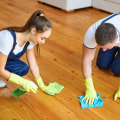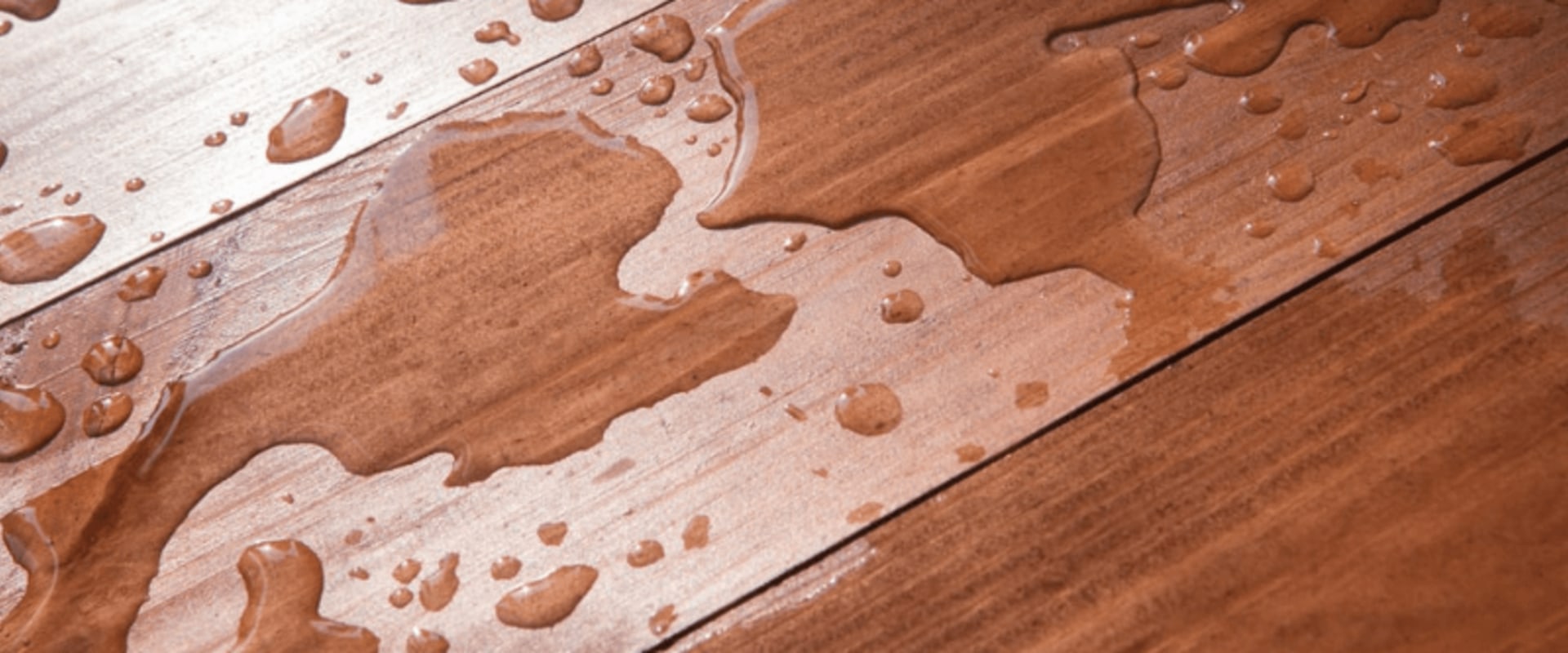
Hardwood floors are a popular choice for many homeowners due to their timeless beauty and durability. However, despite their robust appearance, these floors are surprisingly vulnerable to water damage. Understanding the nature of hardwood and its interaction with moisture is crucial for effective residential floor care. When water seeps into the wood, it can lead to warping, buckling, and even mold growth, which not only compromises the aesthetic appeal but also the structural integrity of your flooring. The primary reason hardwood floors are susceptible to water damage lies in their composition.
Made from natural wood, these floors can absorb moisture from spills, humidity, or even improper cleaning methods. Unlike tile or laminate, hardwood does not have a waterproof barrier, making it essential for homeowners to adopt preventive measures. Regular maintenance and prompt attention to spills can significantly reduce the risk of long-term damage. Moreover, understanding the environmental factors that contribute to moisture levels in your home is vital. High humidity, leaks from plumbing, or even seasonal changes can affect your hardwood floors.
By recognizing these vulnerabilities and implementing a proactive approach to floor care, you can preserve the beauty and longevity of your hardwood investment. This section sets the stage for exploring effective strategies to protect your floors from water damage and maintain their pristine condition.
Common Causes of Water Damage in Hardwood Floors
Understanding the common causes of water damage in hardwood floors is essential for effective residential floor care. Water can infiltrate your flooring from various sources, leading to significant issues if not addressed promptly.- Leaks: One of the most prevalent causes of water damage is plumbing leaks. These can occur from burst pipes, faulty appliances, or even minor drips that go unnoticed over time.
Regularly inspecting plumbing fixtures and appliances can help catch these issues early.
- Spills: Accidental spills from beverages, cleaning solutions, or pet accidents can also pose a risk. If not cleaned up immediately, these spills can seep into the seams of the hardwood, causing warping and discoloration. It's crucial to wipe up any liquid promptly and avoid using excessive water during cleaning.
- Humidity: High humidity levels can lead to moisture buildup in the air, which can be absorbed by hardwood floors. This is particularly common in areas with poor ventilation or during humid seasons.
Using dehumidifiers and ensuring proper airflow can mitigate this risk.
- Flooding: Natural disasters or plumbing failures can result in flooding, which is one of the most damaging scenarios for hardwood floors. In such cases, immediate action is necessary to minimize damage, including professional drying services.
Preventive Measures to Protect Hardwood Floors
Protecting your hardwood floors from water damage is essential for maintaining their beauty and longevity. Here are some effective preventive measures to consider:- Use Mats and Rugs: Place absorbent mats at entryways and in high-traffic areas to catch moisture and dirt before it reaches your hardwood floors.
Ensure these mats are machine washable for easy maintenance.
- Control Humidity Levels: Hardwood floors are sensitive to changes in humidity. Use a dehumidifier in damp areas and an air conditioner during hot months to maintain a stable humidity level between 30% and 50%. This helps prevent warping and buckling.
- Regular Maintenance: Regularly inspect your floors for any signs of damage or wear. Clean spills immediately with a soft cloth, and avoid using excessive water when mopping.
Instead, use a damp mop with a cleaner specifically designed for hardwood.
- Seal Your Floors: Consider applying a high-quality sealant to your hardwood floors. This creates a protective barrier against moisture, making it harder for water to penetrate the wood.
- Avoid Standing Water: Be vigilant about preventing standing water from accumulating on your floors. Whether it’s from a spilled drink or a leaky plant pot, promptly address any sources of water.
Best Practices for Cleaning Hardwood Floors Safely
Maintaining the beauty of your hardwood floors while ensuring their longevity requires careful attention to cleaning methods.Here are some best practices for cleaning hardwood floors safely, minimizing water exposure and protecting them from potential damage.
- Use a microfiber mop: Microfiber mops are excellent for hardwood floors as they effectively trap dirt and dust without the need for excessive water. This method helps to keep your floors clean while reducing the risk of water damage.
- Choose the right cleaning solution: Opt for pH-balanced cleaners specifically designed for hardwood floors. Avoid harsh chemicals or ammonia-based products, as they can strip the finish and lead to deterioration over time.
- Spot clean spills immediately: Accidents happen, and when they do, it’s crucial to address spills right away. Use a soft cloth to blot the area, absorbing as much liquid as possible without rubbing, which can spread the moisture.
- Avoid soaking: When cleaning, never soak your mop or cloth.
Instead, lightly dampen it to ensure that no excess water seeps into the seams of the wood, which can cause warping or swelling.
- Regular dusting: Incorporate regular dusting into your cleaning routine using a soft broom or vacuum with a hardwood floor attachment. This prevents dirt buildup that can scratch the surface when mopping.
What to Do If Your Hardwood Floors Get Wet
When hardwood floors become wet, acting quickly is crucial to minimize damage. Here’s a step-by-step guide to help you respond effectively:- Assess the Situation: Determine the source of the water.
Is it a spill, a leak, or flooding? Understanding the cause will help you address it appropriately.
- Shut Off the Water: If the water is coming from a leak or plumbing issue, turn off the water supply immediately to prevent further damage.
- Remove Standing Water: Use towels, mops, or a wet/dry vacuum to remove as much standing water as possible. The quicker you can get the water off the surface, the better.
- Dry the Area: Open windows and doors to promote air circulation. Use fans and dehumidifiers to help dry out the affected area. Aim for a relative humidity level below 50% to prevent mold growth.
- Inspect for Damage: After drying, check for any signs of warping, buckling, or discoloration.
If you notice significant damage, it may be necessary to consult a professional for repairs.
- Consider Professional Help: If your hardwood floors have absorbed a lot of water or if you’re unsure about how to proceed, contacting a water damage restoration expert can be beneficial. They have specialized equipment and expertise in residential floor care.
Long-Term Care Strategies for Hardwood Floors
To ensure the longevity of your hardwood floors and protect them from water damage, implementing long-term care strategies is essential. Regular maintenance not only enhances the aesthetic appeal of your floors but also fortifies them against potential moisture issues.Regular Inspections
- Conduct routine inspections every few months to identify any signs of wear, damage, or moisture accumulation.
- Pay close attention to areas around sinks, dishwashers, and entryways where water exposure is more likely.
- Look for gaps between planks or any warping that may indicate underlying moisture problems.
Moisture Control
- Maintain indoor humidity levels between 30% and 50% using dehumidifiers or humidifiers as necessary.
- Use area rugs in high-traffic zones and near water sources to absorb spills and prevent direct contact with the floor.
- Ensure proper ventilation in areas prone to moisture, such as bathrooms and kitchens, to reduce humidity levels.
Protective Treatments
- Consider applying a high-quality sealant every few years to create a barrier against moisture.
- Use a wood conditioner periodically to nourish the wood and maintain its resilience against water damage.
- Choose cleaning products specifically designed for hardwood floors to avoid damaging the finish and compromising moisture resistance.
Prompt Spill Management
- Immediately clean up any spills with a soft cloth to prevent water from seeping into the wood.
- Avoid using excessive water when mopping; instead, use a damp mop with a suitable hardwood floor cleaner.
Consistent attention to detail will ensure that your investment remains beautiful and functional for years to come.
FAQs About Protecting Hardwood Floors from Water Damage
When it comes to protecting hardwood floors from water damage, many homeowners have questions. Here are some frequently asked questions that can help you better understand how to care for your floors.What are the common causes of water damage on hardwood floors?
Water damage can occur due to various reasons, including:- Spills and leaks from appliances like refrigerators and dishwashers.
- High humidity levels in the home.
- Improperly sealed windows and doors allowing rainwater to seep in.
- Flooding from heavy rains or plumbing issues.
How can I prevent water damage on my hardwood floors?
To safeguard your hardwood floors, consider these residential floor care tips:- Use area rugs: Place rugs in high-traffic areas and near entryways to absorb moisture.
- Maintain humidity levels: Use a dehumidifier in damp areas to keep humidity between 30-50%.
- Seal your floors: Regularly apply a protective sealant to create a barrier against moisture.
- Promptly clean spills: Wipe up any liquid spills immediately to prevent absorption into the wood.
What should I do if my hardwood floors get wet?
If your hardwood floors become wet, follow these steps:- Act quickly: The sooner you address the issue, the better chance you have of minimizing damage.
- Dab, don’t rub: Use a soft cloth to dab the area dry rather than rubbing it, which can cause scratches.
- Use fans or dehumidifiers: Increase air circulation and reduce moisture levels in the room.
- Consult a professional: If the water damage is extensive, consider hiring a flooring expert for assessment and repair.
Conclusion: Key Takeaways for Maintaining Your Hardwood Floors
In conclusion, protecting your hardwood floors from water damage is essential for maintaining their beauty and longevity. By implementing a few proactive measures, you can significantly reduce the risk of moisture-related issues.Regular Maintenance
First and foremost, regular maintenance is key. This includes:- Routine Cleaning: Sweep or vacuum your floors frequently to remove dirt and debris that can scratch the surface.
- Immediate Spill Response: Wipe up spills promptly with a soft, dry cloth to prevent moisture from seeping into the wood.
- Use of Appropriate Cleaners: Always use cleaners specifically designed for hardwood floors to avoid damaging the finish.
Environmental Control
Additionally, controlling the environment in which your hardwood floors reside is crucial.Consider the following:
- Humidity Levels: Maintain indoor humidity levels between 30% and 50% using dehumidifiers or humidifiers as needed.
- Temperature Regulation: Keep your home at a consistent temperature to prevent wood expansion and contraction.
Protective Measures
Finally, consider protective measures such as:- Area Rugs: Place area rugs in high-traffic areas and near entryways to absorb moisture and protect the floor.
- Furniture Pads: Use felt pads under furniture legs to prevent scratches and allow for easy movement without damaging the floor.