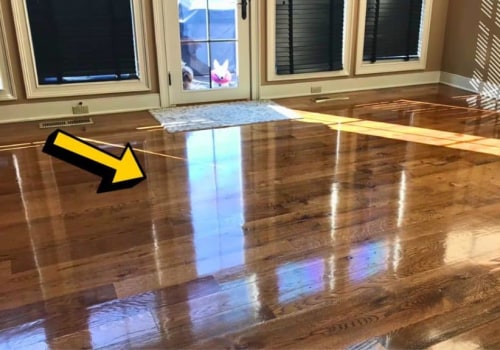
Electrical upgrades and repairs are essential for maintaining a safe, functional, and modern home, but they can also expose flooring to unnecessary wear if proper precautions are not taken. Whether electricians are installing new outlets, upgrading electrical panels, rewiring rooms, or adding lighting fixtures, they often move heavy equipment, ladders, and toolboxes throughout the house. Homeowners can reduce the risk of scratches, dents, and dirt by preparing floors before work begins. Removing furniture from work areas, clearing walking paths, and placing protective coverings over hardwood, tile, vinyl, or carpet can make a significant difference. Heavy-duty floor protection boards, drop cloths, and non-slip protective mats help shield surfaces from accidental damage while still allowing contractors to move safely around the property. Taking these simple steps creates a cleaner and more organized work environment while preserving the home's interior finishes.
Communicating With the Electrical Contractor
Good communication between homeowners and electricians is another important part of protecting flooring throughout the project. Before work starts, homeowners should discuss access routes, identify flooring materials that require extra care, and point out recently installed or delicate surfaces. Establishing designated entry and exit points helps limit unnecessary foot traffic through finished living spaces. Many professional electricians already follow best practices by wearing protective shoe covers, cleaning work areas regularly, and carefully transporting tools to avoid damaging floors. Companies such as Lankford Electrican Service understand that respecting a homeowner's property extends beyond completing electrical work correctly and includes taking reasonable measures to minimize disruption and protect finished surfaces throughout the installation or repair process.
Using Protective Materials Throughout the Project
Different flooring materials require different forms of protection depending on the nature of the electrical work being performed. Hardwood floors benefit from rigid protective boards that distribute the weight of ladders and equipment while preventing scratches. Tile and stone surfaces should be covered with impact-resistant materials to reduce the risk of cracks caused by dropped tools. Carpeted rooms can be protected with plastic film or heavy-duty runners that prevent dirt, dust, and debris from becoming embedded in the fibers. If multiple rooms are involved, homeowners may also consider sealing off work areas with temporary plastic barriers to reduce the spread of dust throughout the house. Keeping pets and children away from active work zones further protects both the flooring and the safety of everyone in the home. Consistent use of protective materials throughout the project helps maintain the appearance and longevity of flooring while allowing electricians to complete their work efficiently.
Cleaning Up and Inspecting After Completion
Once the electrical project is finished, homeowners should take time to inspect the flooring before removing protective coverings. This provides an opportunity to identify any marks, debris, or minor issues that can be addressed promptly. Vacuuming carpets, sweeping hard surfaces, and wiping away construction dust help restore the home to its original condition. If adhesives or protective films were used, they should be removed carefully according to the manufacturer's recommendations to avoid leaving residue behind. Homeowners should also verify that furniture is returned to its proper location without dragging it across finished floors. By combining thoughtful preparation, open communication with contractors, proper floor protection, and careful cleanup after the project, homeowners can preserve the appearance and durability of their flooring while benefiting from important electrical improvements that enhance the safety, comfort, efficiency, and long-term functionality of their homes.