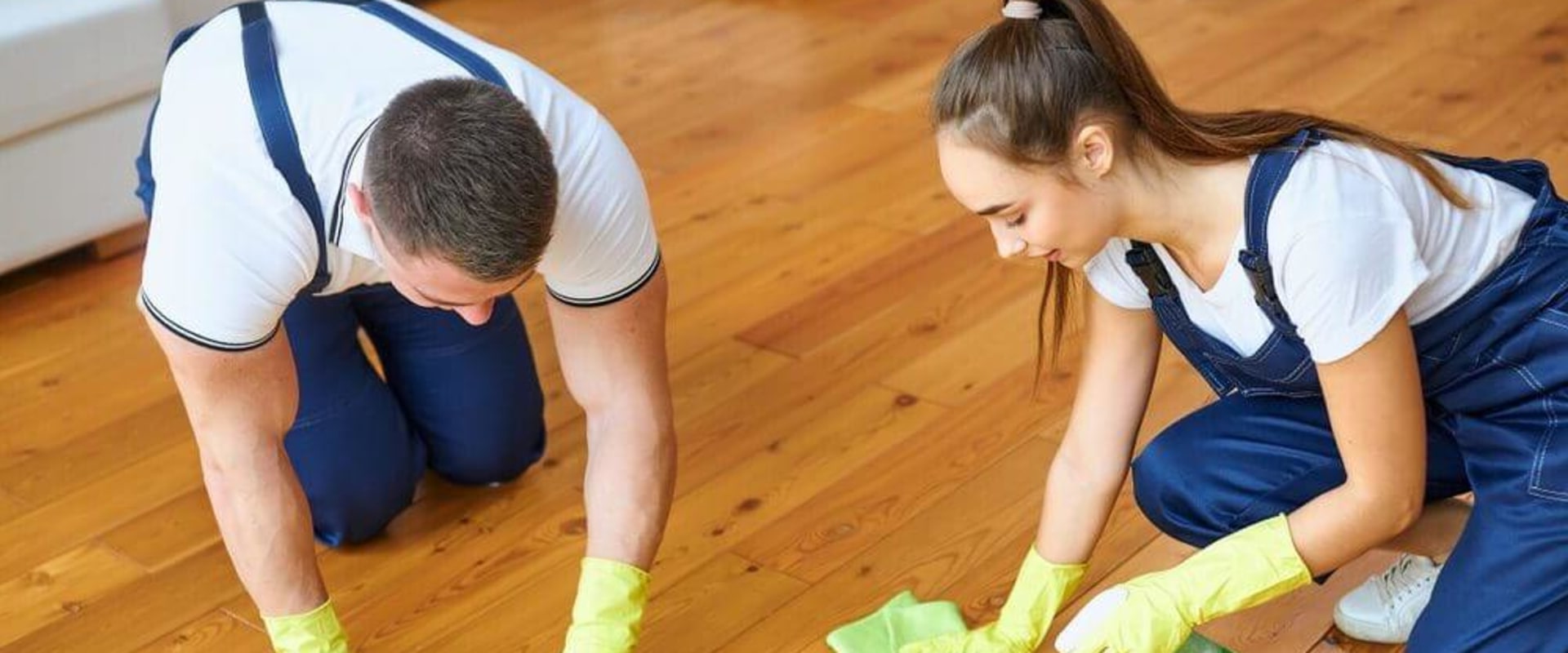
Caring for residential floors is an essential aspect of home maintenance that often goes overlooked. Many homeowners underestimate the impact that proper floor care can have on the overall aesthetic and longevity of their flooring. Whether you have hardwood, tile, carpet, or laminate, each type of flooring requires specific attention and care to maintain its beauty and functionality. Understanding the nuances of floor maintenance is crucial for preserving your investment and ensuring a welcoming environment in your home. The importance of floor care extends beyond mere appearance; it also plays a significant role in the health and safety of your living space.
Neglecting regular maintenance can lead to costly repairs, unsightly wear and tear, and even potential hazards such as slips and falls. By prioritizing the upkeep of your floors, you not only enhance the visual appeal of your home but also contribute to a safer and more comfortable living environment. As we delve deeper into the common mistakes to avoid when caring for residential floors, it’s vital to recognize that informed decisions can make all the difference. From choosing the right cleaning products to understanding the specific needs of your flooring type, being proactive in your approach will help you sidestep pitfalls that could compromise your floors' integrity. Let’s explore these common missteps and equip you with the knowledge needed for effective floor care.
Mistake #1: Using the Wrong Cleaning Products
One of the most significant floor cleaning mistakes homeowners make is using the wrong cleaning products for their specific type of flooring.Different materials require different care, and using an inappropriate cleaner can lead to irreversible damage.For instance, many people assume that all floors can be cleaned with the same all-purpose cleaner. However, this is far from the truth. Here are some common mistakes to avoid:
- Using acidic cleaners on natural stone: Products containing vinegar or lemon juice can etch and dull the surface of marble, granite, and other natural stones.
- Neglecting manufacturer recommendations: Always check the manufacturer's guidelines for your flooring type. They often provide specific instructions on which products are safe to use.
- Using too much water: Excess moisture can seep into seams and cause warping in hardwood floors.
Instead, opt for a damp mop rather than soaking the floor.
- Ignoring residue: Some cleaners leave behind a film that can attract dirt and grime. Choose products that are specifically designed to leave no residue.
- Identify your flooring type: Whether it’s hardwood, laminate, tile, or carpet, knowing your floor's material is crucial in selecting the right cleaner.
- Opt for pH-balanced cleaners: These are generally safe for most surfaces and help maintain the integrity of your flooring.
- Test new products: Before applying a new cleaner across your entire floor, test it in a small, inconspicuous area to ensure it doesn’t cause damage.
Mistake #2: Neglecting Regular Maintenance
One of the most significant errors homeowners make in residential floor care is neglecting a regular maintenance schedule. Floors endure daily wear and tear from foot traffic, pets, and environmental factors, making consistent upkeep essential for their longevity.Importance of Regular Cleaning
- Prevents Damage: Regular cleaning helps to remove dirt, dust, and debris that can scratch or dull the surface of your floors.
- Enhances Appearance: A consistent cleaning routine keeps your floors looking fresh and vibrant, enhancing the overall aesthetic of your home.
- Health Benefits: Dust and allergens can accumulate on floors, leading to poor indoor air quality. Regular maintenance helps mitigate these health risks.
- Daily Care: Sweep or vacuum high-traffic areas daily to prevent dirt buildup.
- Weekly Cleaning: Mop your floors weekly with appropriate cleaning solutions to maintain their shine and cleanliness.
- Monthly Inspections: Check for signs of wear or damage, such as scratches or loose boards, and address them promptly.
- Seasonal Deep Cleaning: Schedule a deep clean at least once a season to remove stubborn stains and restore the floor's finish.
By prioritizing a structured maintenance routine, you not only protect your investment but also ensure that your residential floors remain beautiful and functional for years to come.
Mistake #3: Over-Wetting Floors During Cleaning
One of the most common mistakes in residential floor care is over-wetting floors during cleaning. While it may seem that using more water will lead to a cleaner surface, excessive moisture can actually cause significant damage to various types of flooring.Understanding the Risks of Over-Wetting
- Moisture Damage: Excessive water can seep into seams and cracks, leading to warping, buckling, or even mold growth, particularly in hardwood and laminate floors.
- Slippery Surfaces: Over-wetting can create dangerously slippery conditions, increasing the risk of falls and injuries.
- Long Drying Times: Floors that are too wet take longer to dry, which can prolong exposure to moisture-related issues.
Proper Wet Cleaning Techniques
To avoid the pitfalls of over-wetting, consider the following tips:
- Use a Damp Mop: Instead of soaking your mop, wring it out thoroughly so that it is damp but not dripping. This will help minimize moisture on the floor.
- Select Appropriate Cleaners: Choose cleaning solutions specifically designed for your floor type. Some cleaners require less water or are formulated to work effectively with minimal moisture.
- Work in Sections: Clean one small area at a time and allow it to dry before moving on to the next section.
This helps control moisture levels and ensures thorough drying.
- Ventilation is Key: Open windows or use fans to improve air circulation while cleaning. This will help floors dry faster and reduce the risk of moisture damage.
Mistake #4: Ignoring Specific Flooring Needs
When it comes to residential floor care, one of the most significant mistakes homeowners make is ignoring the specific needs of their flooring materials. Each type of flooring—be it hardwood, tile, or carpet—has unique characteristics that require tailored care methods.Hardwood Care
Hardwood floors are particularly sensitive to moisture and temperature changes.A common mistake is using excessive water during cleaning, which can lead to warping and damage. Instead, opt for a damp mop and a cleaner specifically designed for hardwood. Additionally, neglecting to apply a protective finish can leave your floors vulnerable to scratches and stains.
Tile Care
Tile floors, while durable, can also suffer from improper maintenance. Many homeowners mistakenly use abrasive cleaners that can scratch the surface or damage the grout.It’s essential to use pH-neutral cleaners and regularly seal the grout lines to prevent staining and deterioration.
Carpet Care
Carpets require a different approach altogether. One common error is failing to vacuum regularly, which can lead to dirt buildup and wear. Additionally, using the wrong cleaning products can result in discoloration or damage. Always check the manufacturer’s recommendations for cleaning solutions and methods.In summary, understanding the specific needs of your flooring type is crucial for effective residential floor care.By avoiding a one-size-fits-all approach and tailoring your cleaning methods to each material, you can extend the life of your floors and maintain their beauty.
Mistake #5: Failing to Address Spills Promptly
One of the most critical aspects of residential floor care is the prompt management of spills. When liquids are allowed to sit on your floors, they can seep into the material, leading to permanent stains and potential damage. Whether it’s a glass of red wine, a dropped plate of food, or a pet accident, addressing these incidents quickly is essential.Why Prompt Cleaning Matters
- Prevents Stains: The longer a spill remains on the surface, the more likely it is to leave a stain. For example, hardwood floors can absorb moisture, leading to discoloration.
- Avoids Damage: Certain substances can cause warping or deterioration of flooring materials.
For instance, acidic liquids can erode finishes on hardwood or laminate floors.
- Maintains Hygiene: Spills can attract pests and create unpleasant odors if not cleaned up quickly.
Effective Strategies for Spill Management
- Act Quickly: As soon as a spill occurs, grab a clean cloth or paper towel and blot the area. Avoid rubbing, as this can spread the liquid further.
- Use Appropriate Cleaners: Depending on your floor type, use a cleaner that is safe and effective. For example, use a pH-neutral cleaner for hardwood floors to avoid damaging the finish.
- Test First: If you’re unsure about a cleaning product, test it in an inconspicuous area to ensure it won’t harm your flooring.
- Dry Thoroughly: After cleaning, ensure the area is dried completely to prevent moisture from seeping into the floor.
Mistake #6: Not Using Protective Measures
One of the most significant oversights in residential floor care is neglecting to implement protective measures. Floors are subjected to daily wear and tear from foot traffic, furniture movement, and even pet activities.Without proper protection, your floors can quickly become scratched, dented, or otherwise damaged.
Utilizing Mats and Rugs
- Place entry mats at all entrances to catch dirt and moisture before it reaches your floors. This simple step can significantly reduce the amount of debris that gets tracked inside.
- Use area rugs in high-traffic zones, such as hallways and living rooms, to provide an extra layer of protection against scratches and scuffs.
Furniture Pads: A Must-Have
- Invest in furniture pads for the legs of chairs, tables, and other heavy items. These pads help distribute weight evenly and prevent gouges in your flooring.
- Regularly check and replace worn-out pads to ensure they continue to provide adequate protection.
Additional Floor Protection Tips
- Avoid wearing shoes with hard soles indoors, as they can cause unnecessary damage to your floors.
- When moving furniture, lift rather than drag to prevent scratches. If dragging is unavoidable, use a blanket or slider pads underneath.
- Consider applying a protective sealant on hardwood or laminate floors to enhance their durability against scratches and stains.
Remember, prevention is always better than repair when it comes to floor care.
Frequently Asked Questions About Residential Floor Care
When it comes to residential floor care, homeowners often have a myriad of questions. Here are some of the most frequently asked questions that can help you maintain your floors effectively.- What is the best way to clean hardwood floors?
For hardwood floors, it’s essential to use a cleaner specifically designed for wood. Avoid excessive water, as it can warp the wood. Instead, use a damp mop and a pH-neutral cleaner to keep your floors looking their best. - How often should I vacuum my carpets?
It’s recommended to vacuum carpets at least once a week.High-traffic areas may require more frequent cleaning to prevent dirt buildup and maintain the carpet's appearance.
- Can I use vinegar on my tile floors?
While vinegar is a natural cleaner, it can damage certain types of tile and grout. It’s best to use a cleaner specifically formulated for your tile type to avoid any potential damage. - What are some tips for preventing scratches on my floors?
To prevent scratches, consider placing felt pads under furniture legs, using area rugs in high-traffic zones, and avoiding shoes with hard soles indoors. - How do I remove stains from my laminate flooring?
For laminate floors, use a soft cloth with a mild detergent solution. Avoid abrasive cleaners that can scratch the surface. For tough stains, a mixture of baking soda and water can be effective.
Conclusion: Key Takeaways for Effective Floor Care
In summary, effective residential floor care is essential for maintaining the beauty and longevity of your flooring.By avoiding common mistakes, you can ensure that your floors remain in excellent condition for years to come. Here are the key takeaways:
- Regular Cleaning: Establish a consistent cleaning routine that includes sweeping or vacuuming to remove dirt and debris. This prevents scratches and wear on your floors.
- Use Appropriate Products: Always choose cleaning products that are specifically designed for your type of flooring. Using the wrong products can lead to damage and dullness.
- Avoid Excessive Water: When mopping, use a damp mop rather than soaking wet.
Excess water can seep into seams and cause warping or mold growth.
- Protect High-Traffic Areas: Use rugs or mats in entryways and other high-traffic areas to minimize wear and tear. This simple step can significantly extend the life of your floors.
- Address Spills Promptly: Clean up spills immediately to prevent staining or damage. Different materials require different cleaning methods, so be sure to know how to treat each type.
- Regular Maintenance: Schedule periodic professional cleaning or refinishing as needed, especially for hardwood floors, to keep them looking their best.