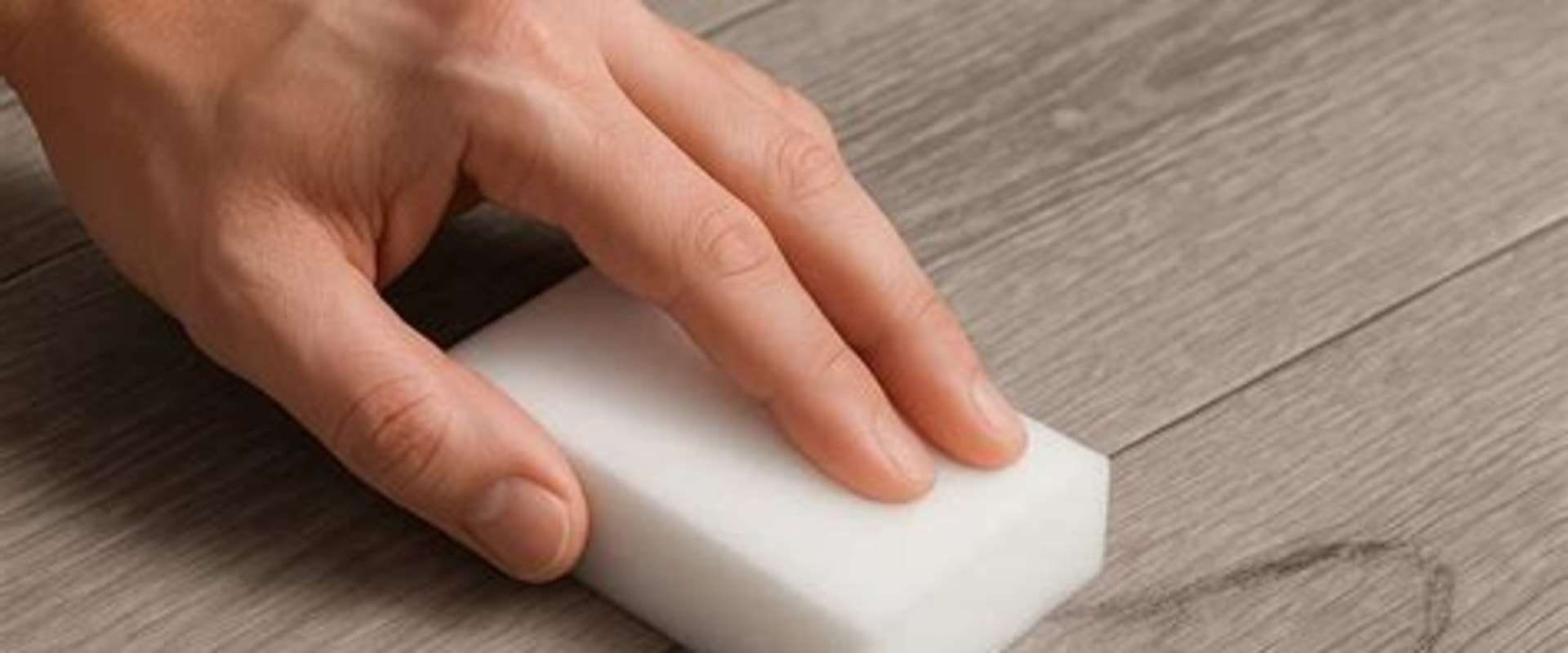
Vinyl flooring has become a popular choice for many homeowners due to its versatility, affordability, and aesthetic appeal. Commonly used in kitchens, bathrooms, and living areas, vinyl flooring offers a wide range of designs that can mimic the look of natural materials like wood or stone. However, despite its many advantages, vinyl flooring is not without its vulnerabilities. One of the most common issues faced by homeowners is the appearance of scuff marks, which can detract from the overall beauty of the floor. Scuff marks are often caused by everyday activities such as moving furniture, dragging heavy objects, or even just walking across the floor with shoes that have hard soles.
These marks can be particularly frustrating because they seem to appear out of nowhere and can be difficult to remove without proper care. Understanding why these marks occur is essential for effective residential floor care. Vinyl flooring, while durable, can be sensitive to certain types of friction and pressure, making it important to adopt preventive measures and cleaning techniques that will help maintain its pristine condition. In this article, we will explore various methods for removing scuff marks from vinyl flooring and discuss best practices for keeping your floors looking their best. By learning how to care for your vinyl floors properly, you can ensure they remain a beautiful and functional part of your home for years to come.
Common Causes of Scuff Marks on Vinyl Flooring
Understanding the common causes of scuff marks on vinyl flooring is essential for effective residential floor care.Scuff marks can detract from the appearance of your floors and may indicate underlying issues that need to be addressed. Here are some of the primary factors that contribute to scuff marks:
- Footwear: Shoes with hard soles or those that have dirt and debris stuck to them can easily leave scuff marks on vinyl surfaces. High heels, in particular, can create significant damage.
- Furniture Movement: Dragging furniture across vinyl flooring without protective pads can lead to scratches and scuffs. Even lightweight items can cause damage if not lifted properly.
- Pet Activity: Pets running or playing on vinyl floors can also contribute to scuff marks.
Their claws can scratch the surface, especially if they are not regularly trimmed.
- Improper Cleaning Tools: Using abrasive cleaning tools or harsh chemicals can damage the finish of vinyl flooring, making it more susceptible to scuffing. Always opt for soft mops and gentle cleaners designed for vinyl.
- Environmental Factors: Changes in temperature and humidity can affect the flexibility of vinyl flooring, making it more prone to scuffs. For instance, extreme heat may cause the material to expand, while cold conditions may lead to contraction.
Essential Tools and Materials for Removing Scuff Marks
To effectively remove scuff marks from vinyl flooring, having the right tools and materials is essential.Below is a list of necessary supplies that will help you tackle those stubborn marks with ease.
- Soft Cloths or Microfiber Towels: These are ideal for gently rubbing the scuff marks without scratching the vinyl surface. Microfiber towels are particularly effective due to their soft texture and absorbent properties.
- Bucket: A clean bucket is useful for mixing cleaning solutions or rinsing your cloths during the cleaning process.
- Warm Water: Often, a simple solution of warm water can help lift scuff marks. It’s a gentle approach that works well for light marks.
- Vinegar: A natural cleaning agent, vinegar can be mixed with water to create an effective solution for removing scuffs. Use a ratio of one part vinegar to three parts water.
- Baking Soda: This versatile ingredient can be made into a paste with water and applied directly to stubborn scuff marks.
Its mild abrasiveness helps lift marks without damaging the vinyl.
- Commercial Vinyl Floor Cleaner: For tougher stains, consider using a cleaner specifically designed for vinyl flooring. Always check the label to ensure it’s safe for your type of flooring.
- Magic Eraser or Melamine Foam Sponge: These sponges are excellent for removing scuff marks due to their fine texture and ability to lift dirt without harsh chemicals.
Step-by-Step Guide to Removing Scuff Marks from Vinyl Flooring
Removing scuff marks from vinyl flooring can seem daunting, but with the right approach, it can be a straightforward task. Follow this step-by-step guide to restore your floors to their original shine.- Gather Your Supplies: Before you start, make sure you have the following items on hand:
- Soft cloth or sponge
- Warm water
- White vinegar or a mild dish soap
- Baking soda (optional)
- Magic eraser or melamine foam sponge (optional)
- Prepare the Cleaning Solution: Mix equal parts of warm water and white vinegar in a bucket.
If you prefer using dish soap, add a few drops to warm water instead. This solution is effective for most scuff marks.
- Test in an Inconspicuous Area: Before applying any cleaning solution to the entire area, test it on a small, hidden section of your vinyl flooring to ensure it doesn’t cause discoloration.
- Apply the Solution: Dip your soft cloth or sponge into the cleaning solution and wring it out so it’s damp but not soaking wet. Gently scrub the scuff mark in a circular motion. For stubborn marks, you can use a magic eraser, applying light pressure.
- Rinse the Area: After removing the scuff mark, rinse the area with clean water to remove any residue from the cleaning solution.
Use a clean cloth to wipe away excess moisture.
- Dry Thoroughly: Allow the area to air dry completely. This step is crucial as moisture can lead to further damage if left on vinyl flooring.
DIY Solutions for Scuff Mark Removal
Removing scuff marks from vinyl flooring can be a simple task with the right DIY cleaning solutions.Homeowners often prefer homemade cleaners as they are not only cost-effective but also environmentally friendly. Here are some effective methods to tackle those stubborn marks:
- Baking Soda Paste: Mix equal parts of baking soda and water to create a paste. Apply it directly to the scuff mark and gently rub with a soft cloth or sponge. Rinse with warm water and dry the area thoroughly.
- Vinegar Solution: Combine one part white vinegar with two parts water in a spray bottle.
Spray the solution onto the scuff mark and let it sit for a few minutes. Wipe it away with a clean cloth for a fresh finish.
- Dish Soap and Water: A few drops of dish soap mixed with warm water can work wonders. Use a soft cloth to scrub the area gently, then rinse with clean water.
- Magic Eraser: For tougher marks, a magic eraser can be very effective. Dampen the eraser slightly and rub it over the scuff mark until it disappears.
Be sure to test it on an inconspicuous area first to ensure it doesn’t damage the finish.
- Regular Cleaning: Keep your vinyl floors clean by sweeping or vacuuming regularly to remove dirt and debris that can cause scratches.
- Use Furniture Pads: Place felt pads under furniture legs to minimize scuffing when moving items around.
- Avoid Harsh Chemicals: Steer clear of abrasive cleaners that can damage the surface of your vinyl flooring.
When to Seek Professional Help for Vinyl Flooring Care
While many scuff marks on vinyl flooring can be removed with DIY methods, there are certain situations where seeking professional floor cleaning services becomes essential. Understanding when to hire help can save you time, effort, and potentially costly damage to your flooring.Signs You Need Professional Help
- Persistent Stains: If scuff marks remain after multiple cleaning attempts, it may indicate that the marks have penetrated the surface or that the flooring requires specialized treatment.
- Extensive Damage: Large areas of scuffing or scratches may require professional-grade equipment and expertise to restore the floor's appearance.
- Improper Cleaning Products: Using harsh chemicals or abrasive tools can damage vinyl flooring. If you suspect that your cleaning methods have caused further harm, it's wise to consult a professional.
- Lack of Time: Maintaining a busy household can make it challenging to dedicate time to floor care. Hiring professionals can ensure your floors are well-maintained without adding to your stress.
The Benefits of Professional Vinyl Flooring Maintenance
Engaging a professional service not only helps in removing stubborn scuff marks but also provides comprehensive maintenance for your vinyl flooring.
Professionals have access to advanced cleaning solutions and equipment that can effectively restore the shine and integrity of your floors.Additionally, regular maintenance by experts can prolong the life of your vinyl flooring, ensuring it remains in top condition for years to come. They can also offer valuable advice on residential floor care, helping you understand how to prevent future damage and maintain the beauty of your home.In conclusion, while DIY methods are effective for minor scuff marks, recognizing when to seek professional help is crucial for maintaining the quality and appearance of your vinyl flooring.
Preventive Measures to Avoid Scuff Marks on Vinyl Flooring
Preventing scuff marks on vinyl flooring is essential for maintaining its appearance and longevity. By implementing a few simple residential floor care practices, you can keep your floors looking pristine.- Use Furniture Pads: Place felt or rubber pads under the legs of furniture to prevent scratches and scuffs when moving items. This simple addition can significantly reduce wear on your vinyl flooring.
- Avoid High-Heeled Shoes: Encourage family members and guests to remove high-heeled shoes before walking on vinyl floors.
The concentrated pressure from heels can easily leave marks.
- Regular Cleaning: Sweep or vacuum your floors regularly to remove dirt and debris that can cause scratches. Follow up with a damp mop using a cleaner specifically designed for vinyl flooring.
- Area Rugs: Use area rugs in high-traffic zones to protect your vinyl from scuffs and scratches. Ensure that the rugs have non-slip backing to prevent accidents.
- Mindful Movement: When moving heavy furniture or appliances, lift them instead of dragging them across the floor. This practice will help avoid unnecessary damage.
This can provide an extra layer of defense against scuff marks and enhance the overall durability of your floors. By adopting these vinyl flooring maintenance tips, you can significantly reduce the occurrence of scuff marks, ensuring your floors remain beautiful for years to come.
Frequently Asked Questions About Vinyl Flooring Care
When it comes to vinyl flooring care, many homeowners have questions about how to maintain their floors effectively. Here are some of the most frequently asked questions regarding the care and maintenance of vinyl flooring.What are the best methods for cleaning vinyl flooring?
The best way to clean vinyl flooring is to use a mixture of warm water and a few drops of mild dish soap. Avoid using harsh chemicals or abrasive cleaners, as they can damage the surface. For routine cleaning, a damp mop or a soft cloth works well.How can I remove scuff marks from vinyl flooring?
To remove scuff marks, you can use a magic eraser or a mixture of baking soda and water to create a paste.Apply it gently to the scuff mark and wipe it away with a damp cloth. For tougher marks, consider using a small amount of rubbing alcohol on a soft cloth.
Is it safe to use steam cleaners on vinyl flooring?
While steam cleaners can be effective for some types of flooring, they are generally not recommended for vinyl flooring. The heat and moisture can cause the seams to loosen or the material to warp over time. Stick to traditional cleaning methods for best results.How often should I clean my vinyl floors?
For optimal residential floor care, it’s advisable to clean your vinyl floors at least once a week.However, high-traffic areas may require more frequent cleaning. Regular sweeping or vacuuming will help prevent dirt buildup.
Can I use vinegar to clean my vinyl floors?
Yes, vinegar can be used as a natural cleaner for vinyl flooring. Mix one cup of vinegar with a gallon of warm water for an effective cleaning solution. Just be sure to rinse with plain water afterward to avoid any residue.If you have more specific questions about your vinyl flooring, consulting with a professional in residential floor care can provide tailored advice and solutions.Conclusion: Maintaining Your Vinyl Flooring's Appearance and Longevity
In conclusion, maintaining the appearance and longevity of your vinyl flooring is essential for preserving its aesthetic appeal and functionality.By implementing a consistent residential floor care routine, you can effectively prevent and manage scuff marks, ensuring your floors remain in pristine condition. Regular cleaning is the cornerstone of vinyl floor maintenance. Utilizing a soft broom or vacuum to remove dirt and debris will help prevent scratches and scuffs. Additionally, employing a damp mop with a gentle cleaner specifically designed for vinyl can keep your floors looking fresh without causing damage. When it comes to addressing scuff marks, prompt action is key. The sooner you treat these marks, the easier they are to remove.
As discussed, using common household items like baking soda or a mixture of vinegar and water can be effective solutions. Always remember to test any cleaning method on a small, inconspicuous area first to avoid any adverse reactions. Furthermore, consider placing mats at entryways and using furniture pads under heavy items to minimize the risk of scuffs and scratches. These preventive measures not only enhance the durability of your flooring but also contribute to a cleaner living environment. Ultimately, investing time in proper care will yield long-term benefits for your vinyl flooring. By following these guidelines and being proactive in your maintenance efforts, you can enjoy beautiful, resilient floors that stand the test of time.