In the realm of residential floor care, the choice of cleaning methods can significantly impact both the appearance and longevity of your flooring. Among the various tools available, the steam mop has gained popularity for its ability to sanitize and clean without the need for harsh chemicals. This innovative cleaning device utilizes steam to lift dirt and grime, making it an appealing option for homeowners seeking an effective yet eco-friendly solution. However, as with any cleaning method, understanding the compatibility of a steam mop with different flooring types is crucial. Not all surfaces respond well to steam cleaning; some may warp or become damaged when exposed to excessive moisture or heat.
Therefore, it is essential to consider the specific characteristics of your flooring before incorporating a steam mop into your cleaning routine. This article will delve into the various cleaning methods available for residential floors, focusing on the advantages and limitations of steam mops. By exploring how these devices interact with different materials—such as hardwood, tile, laminate, and carpet—you'll be better equipped to make informed decisions about maintaining your home’s floors. Join us as we uncover the best practices for using steam mops in residential floor care and ensure that your cleaning efforts yield optimal results.
What is a Steam Mop?
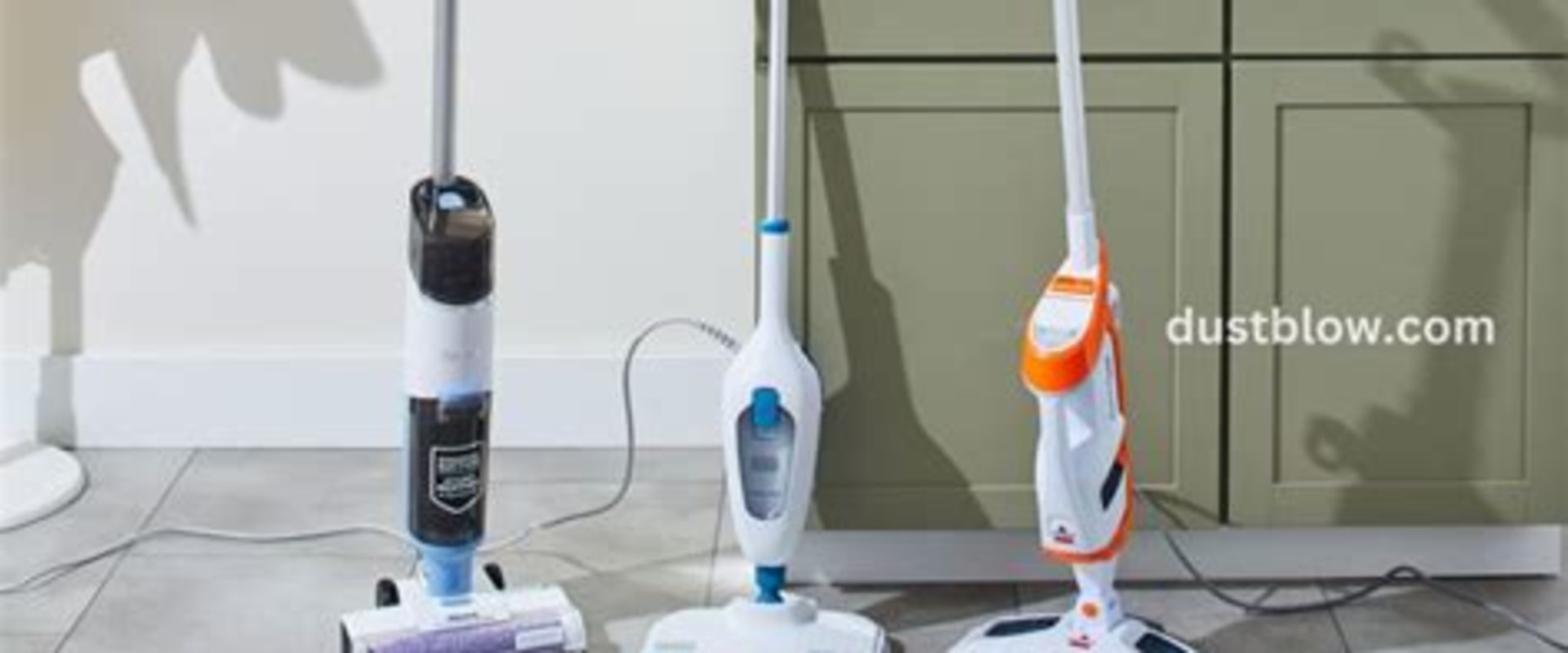
A steam mop is a specialized cleaning device designed to sanitize and clean various types of flooring using the power of steam. Unlike traditional mops that rely on water and cleaning solutions, steam mops utilize high-temperature steam to dissolve dirt, grime, and bacteria, making them an effective tool for residential floor care.How Steam Mops Work
- Steam Generation: When the steam mop is plugged in, water is heated in a reservoir until it reaches a boiling point, creating steam.
- Steam Release: The steam is then released through a microfiber pad that is attached to the mop head.
This pad absorbs dirt and debris as the steam penetrates the surface.
- Cleaning Action: The combination of heat and moisture loosens stubborn stains and sanitizes the floor without the need for harsh chemicals.
Benefits of Using a Steam Mop
- Effective Sanitization: The high temperature of the steam kills up to 99.9% of germs and bacteria, making it an excellent choice for households with children or pets.
- Environmentally Friendly: Since steam mops primarily use water, they reduce the need for chemical cleaners, contributing to a healthier home environment.
- Versatile Cleaning: Many steam mops come with attachments that allow them to clean not just floors but also countertops, upholstery, and even windows.
- Time-Saving: The quick drying time of floors after steaming means less downtime for your living space compared to traditional mopping methods.
Types of Flooring Commonly Found in Homes
When it comes to residential floor care, understanding the different types of flooring commonly found in homes is essential. Each flooring material has unique characteristics that can influence cleaning methods, including the use of steam mops.- Hardwood Flooring: This classic choice is known for its beauty and durability. However, hardwood can be sensitive to moisture, making it crucial to check if a steam mop is suitable for your specific type of hardwood.
- Laminated Flooring: Often designed to mimic the look of wood, laminate flooring is more resistant to moisture than hardwood.
Still, excessive steam can warp the material, so caution is advised.
- Tile Flooring: Ceramic and porcelain tiles are highly durable and water-resistant, making them ideal candidates for steam mopping. The grout lines may require special attention, as they can trap dirt and grime.
- Vinyl Flooring: Available in sheets or tiles, vinyl is another moisture-resistant option. Most vinyl floors can handle steam cleaning, but it’s important to verify the manufacturer's recommendations.
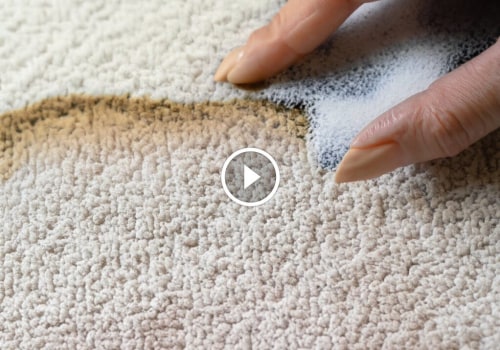
- Carpet: While not a hard surface, some steam mops come with attachments for carpet cleaning. However, traditional steam mopping is not recommended for carpets due to the risk of water damage and mold growth.
Always refer to manufacturer guidelines before using a steam mop on any flooring type to ensure you maintain its integrity and appearance.
Can You Use a Steam Mop on Hardwood Floors?
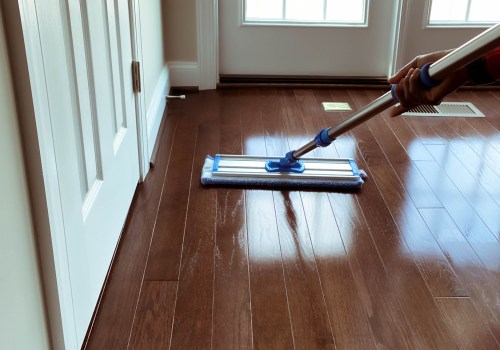
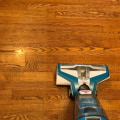
When it comes to cleaning hardwood floors, many homeowners wonder if a steam mop is a suitable option. While steam mops can be effective for various types of flooring, using them on hardwood requires careful consideration.Compatibility of Steam Mops with Hardwood Floors
Hardwood floors are sensitive to moisture, and excessive water can lead to warping, buckling, or damage to the finish. Most manufacturers advise against using steam mops on hardwood surfaces due to the high heat and moisture they produce. However, some steam mops come with specific settings designed for sealed hardwood floors, making them safer for use.
Potential Risks
- Moisture Damage: The steam generated can penetrate the seams of hardwood planks, leading to potential swelling and damage.
- Finish Deterioration: The heat from the steam can weaken the protective finish on your hardwood floors over time.
- Uneven Cleaning: If not used correctly, steam mops can leave behind excess moisture in some areas while failing to clean others effectively.
Best Practices for Maintaining Hardwood Floors
If you choose to use a steam mop on your hardwood floors, consider the following best practices:
- Check Manufacturer Guidelines: Always refer to your floor's manufacturer recommendations before using a steam mop.
- Use Sparingly: Limit the use of steam mops and opt for traditional cleaning methods like a damp microfiber mop for regular maintenance.
- Adjust Settings: If your steam mop has adjustable settings, select the lowest heat and moisture levels suitable for hardwood.
- Test in an Inconspicuous Area: Before full application, test the steam mop in a small, hidden area to ensure no adverse effects occur.
For optimal hardwood floor care, consider alternative cleaning methods that minimize moisture exposure and protect your investment.
Using a Steam Mop on Tile and Grout
When it comes to residential floor care, using a steam mop on tile floors can be an effective way to maintain cleanliness and hygiene. Tile surfaces are generally durable and can withstand the high temperatures produced by steam mops, making them suitable for this cleaning method.Steam mops
excel at removing dirt, grime, and stains from tile floors. The high-temperature steam penetrates the porous surface of the tiles, loosening stubborn debris and sanitizing the area without the need for harsh chemicals. This is particularly beneficial for households with children or pets, where a safe and non-toxic cleaning solution is preferred.One of the significant advantages of using a steam mop on tile floors is its ability to clean grout lines effectively.Grout can often become discolored and grimy over time, but the concentrated steam can help lift stains and restore the grout's original color. Regular use of a steam mop can prevent buildup, making cleaning tile grout less of a chore.However, there are some precautions to consider when using a steam mop on tile floors:
- Check Tile Type: Ensure that your tiles are compatible with steam cleaning. Most ceramic and porcelain tiles are safe, but natural stone tiles may be sensitive to heat and moisture.
- Avoid Excessive Moisture: While steam mops use minimal water, it's essential to avoid over-saturating the floor. Too much moisture can seep into grout lines and cause damage over time.
- Test in a Small Area: Before using a steam mop on your entire floor, test it in a small, inconspicuous area to ensure there are no adverse effects.
By following the necessary precautions, homeowners can enjoy sparkling clean tiles and grout without compromising their flooring's integrity.
Steam Mops and Laminate Flooring: What You Need to Know
When it comes to cleaning laminate flooring, many homeowners wonder if using a steam mop is a safe and effective option. While steam mops are popular for their ability to sanitize and clean various surfaces, laminate flooring requires special consideration.Understanding Laminate Flooring
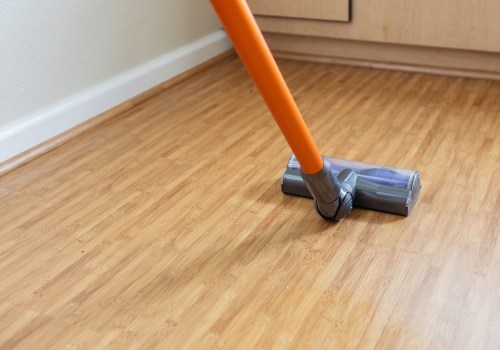
Laminate floors are designed to mimic the appearance of hardwood or stone but are made from composite materials. This construction makes them susceptible to moisture damage. Therefore, using a steam mop, which emits hot steam, can pose risks such as warping or delamination.
Can You Use a Steam Mop on Laminate Floors?
The short answer is: it’s generally not recommended.
The high heat and moisture from steam mops can seep into the seams of laminate planks, leading to potential damage over time. Instead, consider alternative cleaning methods that are safer for your floors.
- Use a microfiber mop: This option effectively picks up dirt and debris without introducing excess moisture.
- Employ a damp cloth: Lightly dampen a cloth with water and a gentle cleaner specifically designed for laminate flooring.
- Avoid harsh chemicals: Strong cleaners can strip the protective layer of your laminate, leading to dullness and wear.
Proper Maintenance Tips
To keep your laminate floors looking their best, regular maintenance is key. Here are some tips:
- Sweep or vacuum regularly: This prevents dirt and grit from scratching the surface.
- Wipe up spills immediately: Quick action helps prevent moisture from seeping into seams.
- Use area rugs: Place rugs in high-traffic areas to protect your floors from wear and tear.
Are Steam Mops Safe for Vinyl Floors?
When it comes to cleaning vinyl flooring, many homeowners wonder if using a steam mop is a safe and effective option.Vinyl floors are popular for their durability and ease of maintenance, but they require specific care to ensure they last. So, can you use a steam mop on vinyl floors?
Understanding Vinyl Flooring
Vinyl flooring is made from synthetic materials, which can be sensitive to heat and moisture. While steam mops are designed to sanitize and clean effectively, the high temperatures and moisture they produce can potentially damage vinyl surfaces if not used correctly.
Safety Considerations
- Temperature Control: Ensure that your steam mop has adjustable temperature settings. Using a lower setting can help prevent warping or damage to the vinyl.
- Moisture Levels: Excessive moisture can seep into seams and edges of vinyl flooring, leading to mold or mildew growth.
Use the steam mop sparingly and allow the floor to dry quickly.
- Manufacturer Guidelines: Always check the manufacturer's recommendations for your specific type of vinyl flooring. Some brands may explicitly advise against using steam mops.
Best Practices for Using Steam Mops on Vinyl Floors
- Before using a steam mop, sweep or vacuum the floor to remove dirt and debris.
- Test the steam mop on a small, inconspicuous area first to ensure there is no adverse reaction.
- Keep the steam mop moving continuously to avoid concentrating heat in one spot.
- After steaming, allow the floor to air dry completely before walking on it.
Best Practices for Using a Steam Mop on Different Flooring Types
Using a steam mop can be an effective way to maintain residential floor care, but it’s essential to follow best practices to ensure that your floors remain undamaged and clean. Here are some tips for using a steam mop on various flooring types:- Know Your Flooring: Before using a steam mop, identify the type of flooring you have.
Steam mops are generally safe for sealed hardwood, tile, and vinyl, but can damage unsealed wood or laminate.
- Check Manufacturer Guidelines: Always refer to the manufacturer’s instructions for both your steam mop and your flooring. Some manufacturers may have specific recommendations or warnings regarding steam cleaning.
- Test in a Small Area: If you’re unsure about how your flooring will react, test the steam mop in a small, inconspicuous area first. This will help you gauge any potential damage before proceeding with larger areas.
- Use the Right Attachment: Many steam mops come with different attachments for various surfaces. Make sure to use the appropriate pad or attachment for your specific flooring type to avoid scratches or damage.
- Adjust Steam Settings: If your steam mop has adjustable steam settings, use lower settings for more delicate surfaces like laminate or unsealed wood.
Higher settings are suitable for tougher surfaces like tile.
- Keep It Moving: Avoid letting the steam mop sit in one spot for too long, as this can cause overheating and damage to the floor. Keep it moving in a consistent pattern to ensure even cleaning.
- Regular Maintenance: Clean the mop pads regularly and replace them as needed. Dirty pads can leave residue on your floors and diminish cleaning effectiveness.
Common FAQs About Steam Mops and Flooring Compatibility
When it comes to residential floor care, many homeowners have questions about the compatibility of steam mops with various flooring types.Here are some common FAQs that can help clarify these concerns.
Can I use a steam mop on hardwood floors?
Using a steam mop on hardwood floors is a topic of debate. While some manufacturers claim their steam mops are safe for sealed hardwood, it’s essential to check the flooring's warranty and guidelines. Excessive moisture can damage unsealed wood, leading to warping or discoloration. If you choose to use a steam mop, ensure it has a low steam setting and use it sparingly.Are steam mops safe for tile and grout?
Yes, steam mops are generally safe for tile floors and can be particularly effective in cleaning grout lines.The high temperature of the steam helps to loosen dirt and grime, making it easier to wipe away. However, be cautious with any grout that is not sealed properly, as excessive moisture can lead to mold growth.
What about laminate flooring?
Laminate flooring is often not recommended for steam mops. The heat and moisture can seep into the seams, causing the laminate to swell or warp over time. It’s best to stick with dry cleaning methods or use a damp mop specifically designed for laminate surfaces.Can I use a steam mop on vinyl flooring?
Most vinyl flooring is compatible with steam mops, but it’s crucial to verify the manufacturer's recommendations.Steam cleaning can effectively remove stains and sanitize the surface without damaging the vinyl if done correctly. Always use a low steam setting and avoid prolonged exposure to heat.
What should I consider before using a steam mop?
- Flooring Type: Always check if your specific flooring type is compatible with steam cleaning.
- Manufacturer Guidelines: Refer to the manufacturer’s instructions for both your flooring and the steam mop.
- Moisture Sensitivity: Be aware of how much moisture your flooring can handle without damage.
- Sealing: Ensure that any wood or grout is properly sealed before using a steam mop.
Conclusion: Making Informed Choices for Your Flooring Care
In conclusion, understanding the compatibility of your flooring with steam mops is crucial for effective residential floor care. While steam mops can be a powerful tool for cleaning, not all flooring types respond well to the heat and moisture they produce. It is essential to consider the specific materials of your floors before deciding to use a steam mop. Here are some key takeaways to keep in mind:- Hardwood Floors: Generally, steam mops are not recommended for hardwood floors as the heat and moisture can cause warping and damage.
- Tile and Grout: Steam mops are excellent for tile floors, especially when it comes to cleaning grout lines effectively.
- Laminate Flooring: Similar to hardwood, laminate can be sensitive to moisture; therefore, caution is advised when using steam mops.
- Vinyl Floors: Most vinyl flooring types can handle steam cleaning, but it’s best to check manufacturer guidelines.
Always refer to the manufacturer's recommendations and consider testing a small area before fully committing to steam cleaning. This approach not only protects your investment but also ensures that your home remains a clean and healthy environment.