When it comes to residential floor care, understanding the different types of carpets is essential for effective cleaning, especially when dealing with spills. Carpets can be made from a variety of materials, each with its own unique properties and cleaning requirements. For instance, natural fibers like wool and cotton offer a luxurious feel but can be more susceptible to staining and require gentle cleaning methods. On the other hand, synthetic fibers such as nylon and polyester are often more durable and stain-resistant, making them easier to maintain. Knowing your carpet type not only helps in choosing the right cleaning products but also informs you about the best techniques to use.
For example, while a wool carpet may benefit from a mild detergent and a blotting technique to lift spills, a synthetic carpet might respond well to harsher cleaners or steam cleaning. Additionally, some carpets come with protective coatings that can make spill management easier, allowing for quicker clean-up times. In this section, we will delve deeper into the various carpet types and their specific care needs. By understanding these differences, homeowners can better prepare for unexpected spills and ensure their carpets remain in pristine condition. This knowledge is crucial for anyone looking to maintain their home’s aesthetic while also prioritizing cleanliness and longevity in their flooring choices.
Immediate Actions to Take After a Spill
When a spill occurs on your carpeted floors, the first few moments are crucial in preventing permanent damage.Quick action can make all the difference in maintaining the integrity of your carpet and ensuring effective residential floor care. Here are the immediate steps you should take:
- Stay Calm: Panicking can lead to hasty decisions that may worsen the situation. Take a deep breath and assess the spill.
- Blot, Don’t Rub: Use a clean, dry cloth or paper towel to gently blot the spill. Rubbing can push the liquid deeper into the fibers, making it harder to clean.
- Work from the Outside In: Start blotting from the outer edges of the spill and work your way toward the center.
This technique helps prevent spreading the stain further.
- Use Cold Water: If the spill is a liquid, such as juice or soda, dampen a cloth with cold water and continue blotting. Avoid hot water, as it can set certain stains.
- Avoid Harsh Chemicals: In the initial response, steer clear of strong cleaning agents. They can react negatively with some carpet materials and worsen the stain.
The sooner you act, the better your chances of avoiding a permanent stain. Keeping a spill kit handy with essential items like clean cloths, cold water, and mild detergent can streamline your response in these situations.
Tools and Supplies for Carpet Spill Cleanup
When it comes to cleaning up spills on carpeted floors, having the right tools and supplies at your disposal can make all the difference. Here’s a comprehensive list of essential items that will help you tackle any spill effectively.- Absorbent Cloths or Paper Towels: These are your first line of defense. Use them to blot up as much of the spill as possible before it seeps deeper into the carpet fibers.
- Carpet Cleaner: Invest in a high-quality carpet cleaning solution that is suitable for your specific carpet type.
Look for products that are effective against stains but gentle on fibers.
- Spray Bottle: A spray bottle can be useful for applying cleaning solutions evenly over the affected area, ensuring thorough coverage.
- Soft-Bristled Brush: This tool helps to gently agitate the carpet fibers, allowing the cleaning solution to penetrate deeper and lift stains more effectively.
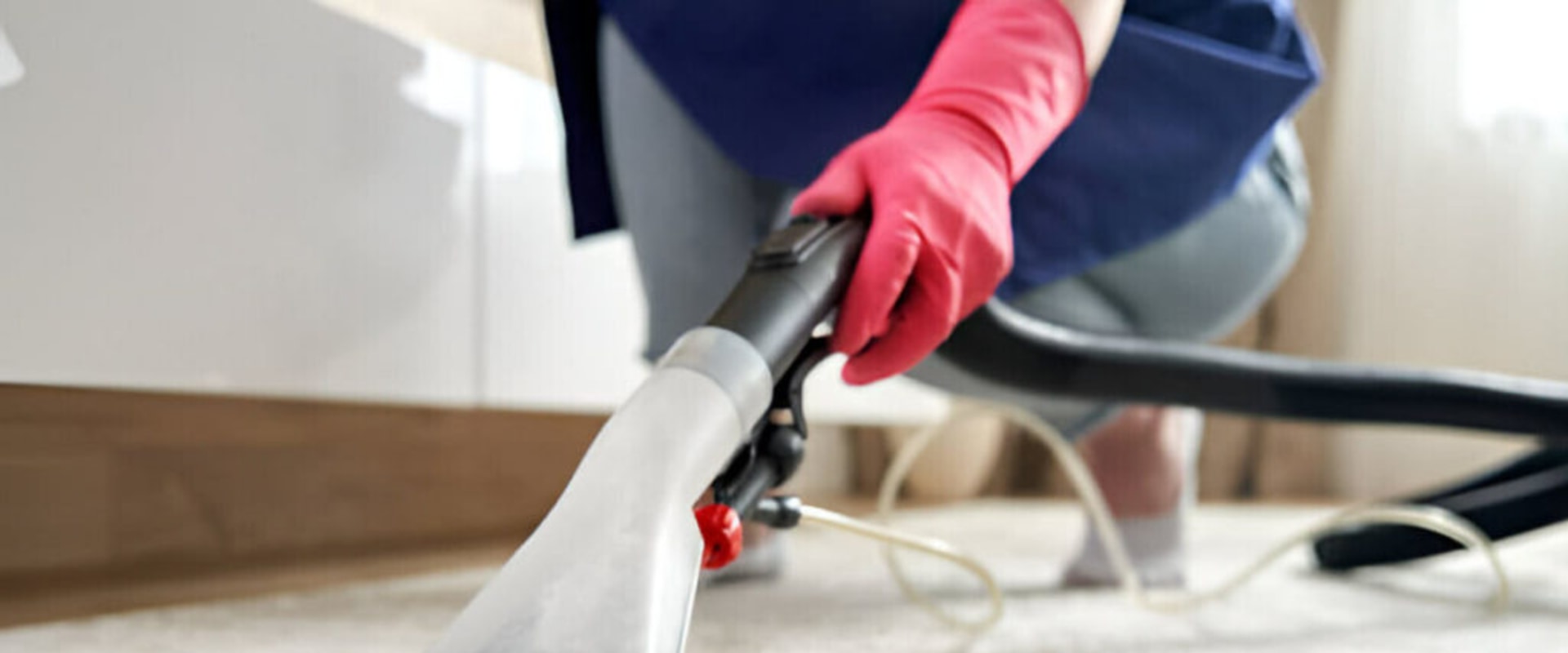
- Wet/Dry Vacuum: For larger spills or deep cleaning, a wet/dry vacuum can be invaluable. It helps to extract moisture and dirt from the carpet, leaving it cleaner and drier.
- Stain Remover: Keep a specialized stain remover on hand for tough spots like wine, coffee, or pet accidents. These products are formulated to break down specific types of stains.
- Baking Soda: This household staple is excellent for absorbing odors and moisture. After cleaning a spill, sprinkle baking soda over the area and let it sit before vacuuming it up.
Remember, quick action is key to preventing permanent damage to your carpets!
Step-by-Step Guide to Cleaning Common Spills
Cleaning up spills on carpeted floors can be a daunting task, but with the right approach, you can effectively tackle common accidents. Here’s a step-by-step guide to help you manage various spills.1.Wine Spills
- Act quickly: Blot the spill immediately with a clean, dry cloth to absorb as much wine as possible.
- Prepare a cleaning solution: Mix one part white vinegar, one part water, and a teaspoon of dish soap.
- Apply the solution: Using a clean cloth, gently dab the stained area with the solution. Avoid rubbing, as this can spread the stain.
- Rinse: Blot the area with cold water to remove any soap residue.
- Dry: Use a dry towel to absorb excess moisture and let it air dry completely.
2.Coffee Spills
- Blot immediately: Use a paper towel or cloth to blot the spill without rubbing.
- Create a cleaning mixture: Combine two cups of warm water with one tablespoon of liquid dish soap and one tablespoon of white vinegar.
- Dab the stain: Apply the mixture to the stain using a clean cloth, working from the outside in.
- Rinse and dry: Blot with cold water and then dry with a towel.
3.Pet Accidents
- Blot up excess liquid: Use paper towels to soak up as much urine as possible.
- Use an enzymatic cleaner: Apply an enzymatic cleaner specifically designed for pet stains to break down odors and stains.
- Dab and rinse: After following the product instructions, blot the area with water and dry thoroughly.
Homemade Solutions vs.
Commercial CleanersWhen it comes to cleaning spills on carpeted floors, homeowners often find themselves weighing the benefits of homemade carpet cleaners against commercial carpet cleaners. Each option has its own set of advantages and disadvantages that can impact both effectiveness and safety in residential floor care.
Homemade Carpet Cleaners
Many homeowners prefer homemade solutions due to their cost-effectiveness and the ability to control the ingredients used. Common ingredients include:- Baking soda: Excellent for absorbing odors and lifting stains.
- White vinegar: A natural disinfectant that can break down tough stains.
- Dish soap: Effective for greasy spills when mixed with water.
Commercial Carpet Cleaners
On the other hand, commercial carpet cleaners are formulated specifically for tackling a wide range of stains and often contain powerful cleaning agents.Some benefits include:
- Targeted formulations: Many products are designed for specific types of stains, such as pet urine or red wine.
- Quick action: Commercial cleaners often work faster than homemade solutions, providing immediate results.
- Convenience: Ready-to-use sprays and foams make application straightforward.
Cleaning Solutions Comparison
Ultimately, the choice between homemade and commercial cleaners depends on individual needs. For those who prioritize safety and cost, homemade solutions may be ideal. Conversely, if immediate results are necessary or dealing with stubborn stains, commercial options might be more effective.Understanding the specific requirements of your carpets will help you make an informed decision that aligns with your residential floor care strategy.
Preventative Measures to Avoid Future Spills
Preventing spills on carpeted floors is crucial for maintaining a clean and inviting home. Here are some effective carpet protection tips that can help you minimize the risk of accidents:- Designate Eating Areas: Establish specific areas in your home where eating and drinking are allowed. This helps contain potential spills to a limited space, making cleanup easier.
- Use Area Rugs: Place area rugs in high-traffic zones or under furniture to protect your carpets from wear and tear. These rugs can be easily cleaned or replaced if spills occur.
- Invest in Carpet Protectors: Consider applying a carpet protector spray that repels liquids and stains.
This can provide an additional layer of defense against spills.
- Educate Family Members: Teach everyone in your household about the importance of being cautious with food and drinks around carpeted areas. Encourage them to report any spills immediately.
- Keep Cleaning Supplies Handy: Store cleaning supplies, such as paper towels and spot cleaners, in easily accessible locations. Quick access can make a significant difference when addressing spills promptly.
By taking proactive measures, you can significantly reduce the likelihood of spills and maintain the beauty of your carpets for years to come.
FAQs About Carpet Spill Cleanup
When it comes to residential floor care, understanding how to effectively clean up spills on carpeted floors is essential. Here are some frequently asked questions that can help you navigate the process:What should I do immediately after a spill?
Act quickly! The sooner you address the spill, the better your chances of preventing a stain. Start by blotting the area with a clean, dry cloth or paper towel to absorb as much liquid as possible. Avoid rubbing, as this can push the liquid deeper into the fibers.Are there specific cleaning solutions I should use?
Yes, the type of cleaning solution depends on the nature of the spill:- Water-based spills (like juice or soda): Use a mixture of warm water and a few drops of dish soap.
- Oily spills (like salad dressing): A solution of vinegar and water can help break down the grease.
- Stains from food: Consider using a commercial carpet cleaner designed for food stains.
How can I prevent future spills from staining my carpet?
To minimize the risk of stains:- Keep a stain removal kit handy, including blotting cloths and cleaning solutions.
- Consider applying a carpet protector that repels liquids and makes cleanup easier.
- Avoid eating or drinking in areas with carpet whenever possible.
Is it necessary to hire a professional for spill cleanup?
If you find that spills are frequent or if stains persist despite your best efforts, hiring a professional carpet cleaning service may be beneficial.They have specialized equipment and expertise in dealing with tough stains, ensuring your carpets remain in top condition.By following these guidelines and addressing spills promptly, you can maintain your carpets and enhance your overall residential floor care routine.
Conclusion: Key Takeaways for Effective Carpet Care
In conclusion, maintaining the integrity of your carpeted floors through effective spill management is crucial for residential floor care. By following the right techniques, you can prevent stains and prolong the life of your carpets. Here are the key takeaways to remember:- Act Quickly: The sooner you address a spill, the better your chances of preventing a permanent stain. Always keep a cleaning kit handy for immediate response.
- Blot, Don’t Rub: When cleaning spills, use a blotting motion rather than rubbing.
This helps to lift the stain without pushing it deeper into the fibers.
- Use Appropriate Cleaners: Choose cleaning solutions that are suitable for your specific carpet type. Always test any cleaner on a small, inconspicuous area first to avoid damage.
- Follow Up with Rinsing: After treating a stain, rinse the area with clean water to remove any residue from cleaning agents, which can attract dirt if left behind.
- Regular Maintenance: Schedule regular deep cleanings and vacuum frequently to keep your carpets looking their best. This not only enhances appearance but also improves indoor air quality.