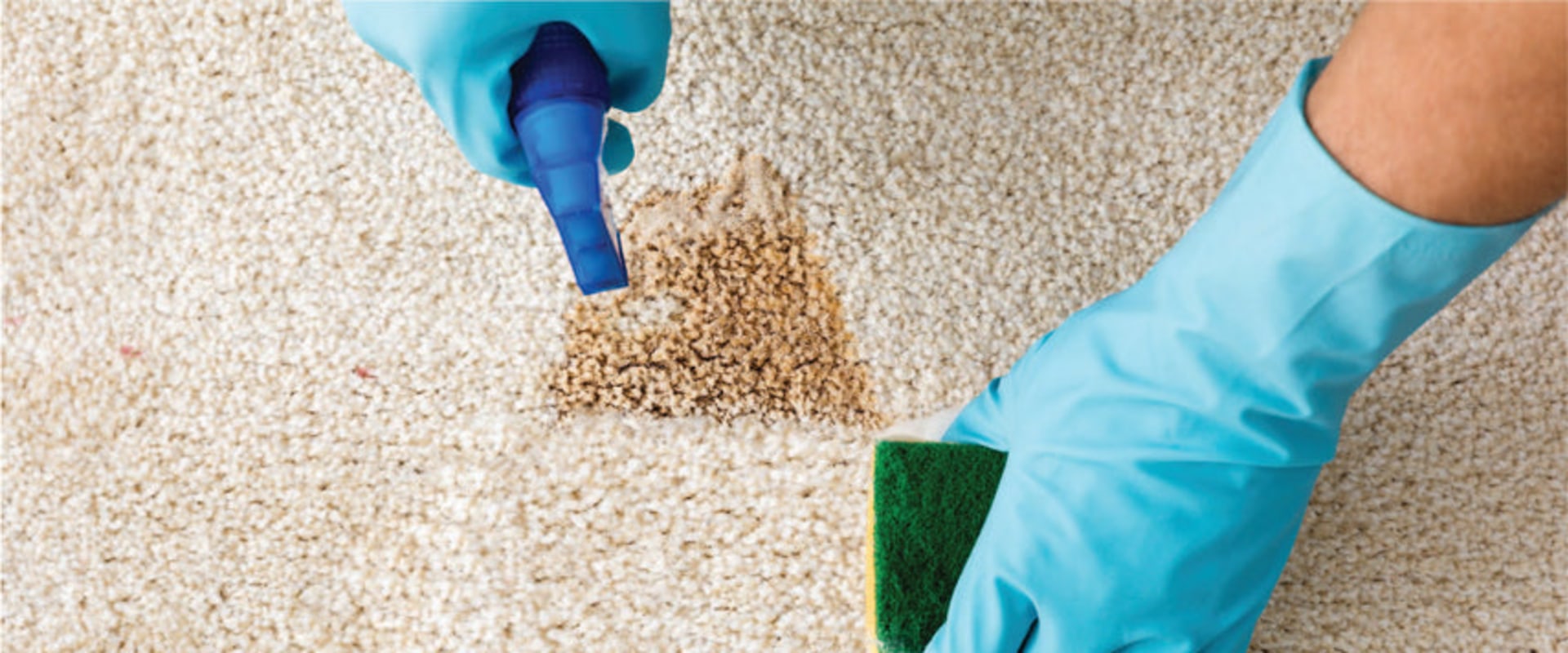
Carpet stains are an inevitable part of maintaining a home, especially in high-traffic areas where spills and accidents are more likely to occur. Understanding the types of carpet stains is essential for effective residential floor care. Stains can be categorized into two main types: water-soluble and oil-based. Water-soluble stains, such as those from juice or coffee, can often be removed with simple cleaning solutions, while oil-based stains, like grease or makeup, require more specialized treatments. Common carpet stains include food spills, pet accidents, and dirt tracked in from outside.
Each type of stain presents its own challenges and requires different approaches for removal. For instance, a red wine spill may leave a lasting mark if not treated promptly, while mud can be easily lifted once it dries. Understanding these nuances is crucial for homeowners who want to preserve the integrity and appearance of their carpets. The impact of stains on carpets goes beyond mere aesthetics. Stains can weaken carpet fibers over time, leading to premature wear and tear.
Additionally, some stains can harbor bacteria and allergens, posing health risks to residents. Therefore, effective stain removal is not just about keeping your carpets looking good; it’s also about maintaining a healthy living environment. By recognizing the types of stains and their potential effects, homeowners can take proactive steps in their residential floor care routine to ensure their carpets remain clean and vibrant.
Essential Tools and Materials for Stain Removal
When it comes to carpet stain removal, having the right tools and materials on hand can make all the difference. Below is a list of essential items that will help you effectively tackle stains and maintain your carpets in top condition.- Carpet Cleaner: A high-quality carpet cleaner is crucial for deep cleaning.
Look for one that is specifically designed for your type of carpet, whether it's synthetic or natural fibers.
- Stain Remover: Invest in a reliable stain remover that can handle various types of stains, such as wine, coffee, or pet accidents. Products containing enzymes are particularly effective for organic stains.
- Soft Cloths or Paper Towels: These are essential for blotting up spills before they set. Always use a clean cloth to avoid spreading the stain further.
- Brush: A soft-bristled brush can help lift stains from the carpet fibers without causing damage. This is especially useful for ground-in dirt or mud.
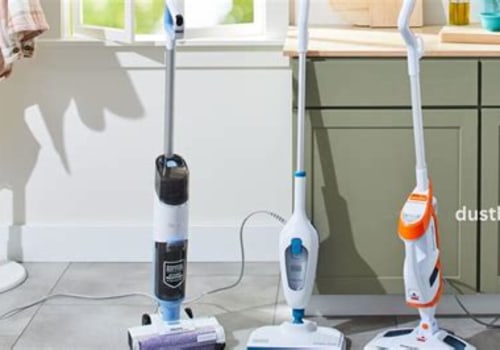
- Vacuum Cleaner: Regular vacuuming is key to maintaining your carpets.
A vacuum with strong suction and a beater bar can help remove dirt and debris that may contribute to staining.
- Baking Soda: This versatile household item can be used to absorb odors and lift stains. Sprinkle it on the affected area, let it sit, and then vacuum it up.
- White Vinegar: A natural cleaning agent, white vinegar can be mixed with water to create an effective stain-fighting solution. It’s particularly useful for neutralizing odors.
Step-by-Step Guide to Removing Common Carpet Stains
Removing stains from carpeted floors can seem daunting, but with the right techniques, you can restore your carpets to their former glory.Below is a step-by-step guide for tackling some of the most common carpet stains.
How to Remove Coffee Stains from Carpet
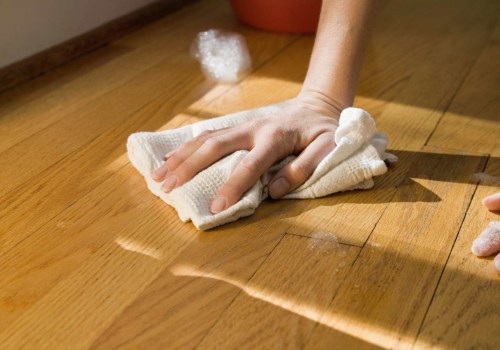
Coffee spills can leave unsightly marks on your carpet. To effectively remove coffee stains, follow these steps:- Blot the stain: Use a clean, dry cloth to blot the coffee stain immediately. Avoid rubbing, as this can spread the stain.
- Prepare a cleaning solution: Mix one tablespoon of liquid dish soap, one tablespoon of white vinegar, and two cups of warm water.
- Apply the solution: Using a clean cloth, apply the solution to the stained area. Blot gently until the stain lifts.
- Rinse: Dampen another cloth with cold water and blot the area to remove any soap residue.
- Dry: Blot with a dry towel and let it air dry completely.
How to Remove Pet Stains from Carpet
Pet stains can be particularly challenging due to their odor and potential for discoloration.Here’s how to tackle them:
- Act quickly: The sooner you address the stain, the better your chances of complete removal.
- Blot the area: Use paper towels or a clean cloth to absorb as much of the stain as possible.
- Create an enzymatic cleaner: Mix one cup of white vinegar, one cup of water, and two tablespoons of baking soda. This mixture helps neutralize odors.
- Apply and blot: Pour the solution onto the stain and let it sit for 5-10 minutes before blotting it up with a clean cloth.
- Rinse and dry: Rinse with cold water and blot dry.
How to Remove Red Wine Stains from Carpet
A red wine spill can be a nightmare for carpet owners. Follow these steps for effective removal:- Blot immediately: Use a clean cloth to blot up as much wine as possible without rubbing.
- Salt method: Sprinkle salt over the stain; it will absorb the wine. Let it sit for a few minutes before vacuuming it up.
- Create a cleaning solution: Mix one part hydrogen peroxide with two parts dish soap.
- Apply the solution: Gently apply this mixture to the stained area and let it sit for about 20 minutes.
- Rinse and dry: Blot with cold water and then dry with a towel.
DIY Carpet Cleaning Solutions
When it comes to residential floor care, tackling stains on carpeted floors can be both challenging and costly.Fortunately, there are several effective DIY carpet cleaning solutions that are not only budget-friendly but also eco-friendly.
Homemade Carpet Cleaners
Creating your own carpet cleaner is simple and can be done with common household ingredients. Here are a few recipes:- Baking Soda and Vinegar: Mix one cup of white vinegar with one cup of water and add two tablespoons of baking soda. This solution is excellent for lifting tough stains. Spray it on the stain, let it sit for 5-10 minutes, then blot with a clean cloth.
- Dish Soap Solution: Combine two cups of warm water with one tablespoon of dish soap.
This mixture works well for greasy stains. Apply it to the stain, scrub gently, and rinse with a damp cloth.
- Hydrogen Peroxide: For stubborn stains like red wine or pet accidents, mix equal parts of hydrogen peroxide and water. Test on an inconspicuous area first to ensure it doesn’t discolor your carpet.
Natural Stain Removal Solutions
If you prefer using natural ingredients, consider these options:- Lemon Juice: The acidity in lemon juice can help break down stains. Apply directly to the stain, let it sit for a few minutes, then blot with a damp cloth.
- Cornstarch Paste: Mix cornstarch with water to create a paste.
Apply it to the stain and let it dry before vacuuming it up. This method is particularly effective for oil-based stains.
When to Call a Professional Carpet Cleaner
While many homeowners can tackle minor stains and spills on their own, there are certain situations where professional carpet cleaning services become essential. Understanding when to seek help can save you time, effort, and potentially costly damage to your carpets.Signs You Need Professional Help
- Persistent Stains: If a stain remains after multiple DIY attempts, it may be time to call in the experts.
Professionals have access to specialized cleaning solutions and equipment that can effectively remove tough stains.
- Odors: Lingering smells that don’t dissipate with regular cleaning indicate deeper issues, such as mold or mildew. A professional cleaner can identify and address the source of the odor.
- Allergies or Health Concerns: If you or your family members suffer from allergies, professional cleaning can help eliminate dust mites, pet dander, and other allergens trapped in the carpet fibers.
- High Traffic Areas: Carpets in high-traffic zones may require more intensive cleaning than what regular vacuuming can provide. Professionals can restore these areas to their original condition.
Benefits of Professional Cleaning
Engaging a professional carpet cleaner offers several advantages:- Expertise: Professionals are trained to handle various types of carpets and stains, ensuring the right techniques and products are used.
- Advanced Equipment: They utilize powerful machines that can extract dirt and grime more effectively than standard home equipment.
- Time-Saving: Hiring professionals allows you to focus on other tasks while they handle the heavy lifting of deep cleaning your carpets.
- Longer Carpet Life: Regular professional cleaning can extend the lifespan of your carpets by removing damaging particles that wear down fibers over time.
Preventative Measures for Carpet Care
Maintaining the appearance and longevity of your carpets is crucial for effective residential floor care.By implementing a few preventative measures, you can significantly reduce the risk of stains and damage.
Regular Cleaning Schedule
Establishing a regular cleaning routine is essential. Vacuum your carpets at least once a week to remove dirt and debris that can lead to stains. For high-traffic areas, consider vacuuming more frequently.Use Area Rugs
Placing area rugs in high-traffic zones can protect your carpets from wear and tear. They act as a barrier against dirt and spills, making it easier to maintain the cleanliness of your floors.Immediate Spill Response
When spills occur, act quickly.Blot the area with a clean cloth instead of rubbing, which can spread the stain. Use a mixture of mild detergent and water for spot cleaning, and always test any cleaning solution on an inconspicuous area first.
Protective Treatments
Consider applying a carpet protector after professional cleaning. These treatments create a barrier against stains and make it easier to clean up spills before they set in.Furniture Placement
- Avoid Direct Sunlight: Use curtains or blinds to minimize sun exposure, which can fade carpet colors over time.
- Use Furniture Coasters: Place coasters under heavy furniture to prevent indentations and damage to the carpet fibers.
Regular Professional Cleaning
Schedule professional carpet cleaning at least once a year. This deep cleaning removes embedded dirt and allergens, helping to maintain the carpet's appearance and extend its lifespan.By following these carpet maintenance tips, you can protect your carpets from damage and keep them looking fresh for years to come.Remember, prevention is key in ensuring your carpets remain a beautiful part of your home.
Frequently Asked Questions about Carpet Stain Removal
When it comes to carpet stain removal, many homeowners have questions about the best practices and techniques. Here are some of the most frequently asked questions:- What is the best way to remove a red wine stain from carpet?
To tackle a red wine stain, immediately blot the area with a clean cloth to absorb as much liquid as possible. Then, sprinkle salt on the stain to absorb the wine. After a few minutes, vacuum up the salt and apply a mixture of dish soap, white vinegar, and water to the area.Blot again until the stain lifts.
- Can I use bleach on my carpet?
No, using bleach on carpets can cause discoloration and damage. Instead, opt for carpet-safe cleaning solutions that are specifically designed for stain removal. - How can I prevent future stains on my carpet?
Regular maintenance is key. Consider applying a carpet protector after cleaning to create a barrier against spills. Additionally, promptly clean up any spills and avoid eating or drinking on the carpet. - What should I do if my pet has an accident on the carpet?
First, blot up any excess liquid with paper towels.Then, clean the area with a mixture of water and white vinegar to neutralize odors. Follow up with a pet-specific enzyme cleaner to break down any remaining stains.
Conclusion: Mastering Carpet Care for a Cleaner Home
In conclusion, maintaining the cleanliness and appearance of your carpeted floors is essential for a healthy and inviting home environment. By understanding the various methods for removing stains and implementing regular maintenance practices, you can significantly extend the life of your carpets and enhance the overall aesthetic of your living space.Throughout this article, we have explored effective techniques for tackling common stains, from spills to pet accidents. Remember that prompt action is crucial; the sooner you address a stain, the easier it will be to remove.Utilizing household items like vinegar, baking soda, and dish soap can often yield impressive results without the need for harsh chemicals.Moreover, regular vacuuming and professional deep cleaning are vital components of residential floor care. These practices not only help in maintaining the appearance of your carpets but also contribute to a healthier indoor air quality by reducing allergens and dust mites.To summarize:
- Act quickly when a stain occurs to prevent it from setting.
- Use natural cleaning solutions whenever possible to avoid damaging your carpets.
- Incorporate regular maintenance, including vacuuming and professional cleaning, into your routine.
- Consider using carpet protectors to minimize future stains.