For pet owners, the joy of having furry companions often comes with the challenge of managing pet hair in their homes. Carpets and rugs, in particular, can become magnets for shedding fur, creating a persistent issue that requires effective residential floor care. The accumulation of pet hair not only detracts from the aesthetic appeal of your living space but can also lead to allergies and respiratory issues for sensitive individuals. Understanding the nature of pet hair is crucial in tackling this problem. Unlike other types of debris, pet hair can weave itself into carpet fibers and rug weaves, making it difficult to remove with standard cleaning methods.
This is why specialized techniques and tools are essential for maintaining clean and healthy floors. Regular carpet care is not just about aesthetics; it plays a significant role in ensuring a hygienic environment for both pets and their owners. Moreover, the type of carpet or rug material can influence how easily pet hair can be removed. Some fabrics trap hair more than others, requiring tailored approaches to rug maintenance. By understanding these dynamics, pet owners can develop effective strategies to keep their homes free from unwanted fur, ensuring a comfortable living space for everyone.
Essential Tools for Pet Hair Removal
When it comes to removing pet hair from carpets and rugs, having the right tools can make all the difference.Here are some essential tools that can help you effectively tackle this common household challenge.
- Vacuum Cleaners: A high-quality vacuum cleaner designed specifically for pet hair removal is a must-have. Look for models with strong suction power and specialized attachments, such as a pet hair brush or a motorized brush roll. Brands like Dyson and Shark offer excellent options that are highly rated for their effectiveness in picking up pet hair.
- Lint Rollers: These handy tools are perfect for quick clean-ups. A lint roller consists of a sticky tape that easily picks up pet hair from carpets, rugs, and even furniture.
They are portable and can be used in a pinch, making them ideal for keeping in your car or at your office.
- Rubber Gloves: Surprisingly effective, rubber gloves can be used to gather pet hair from carpets and rugs. Simply put on a pair of damp rubber gloves and run your hands over the surface; the static electricity will attract the hair, making it easy to collect.
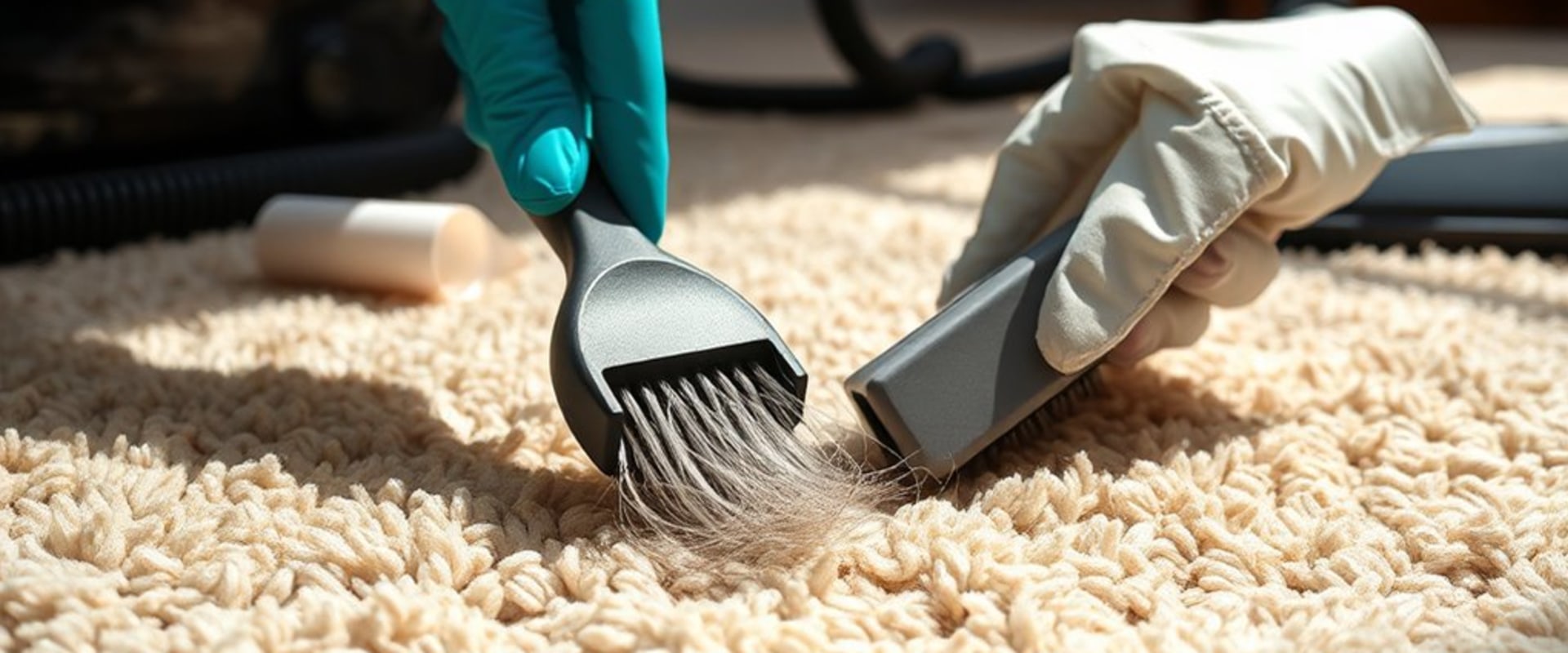
- Pet Hair Removal Brushes: These brushes are specifically designed to remove pet hair from various surfaces. They often feature rubber bristles that grab onto hair without damaging your carpet fibers. Using a brush can be particularly effective for high-pile carpets.
- Electrostatic Cloths: These cloths can attract and trap pet hair effectively.
They are especially useful for cleaning hard-to-reach areas or for use on furniture where pet hair tends to accumulate.
Techniques for Removing Pet Hair from Carpets
Removing pet hair from carpets can be a challenging task, but with the right techniques, it can become manageable. Here are some effective methods to consider:- Vacuuming: A high-quality vacuum cleaner designed for pet hair is essential. Look for models with strong suction and specialized attachments, such as a pet hair brush or a rubberized nozzle.
Regular vacuuming, at least once a week, can significantly reduce the amount of hair embedded in your carpets.
- Use a Lint Roller: For quick clean-ups, a lint roller can be incredibly effective. Simply roll it over the carpet to pick up loose hairs. This method is particularly useful for small areas or when you need to remove hair quickly before guests arrive.
- Rubber Gloves: Dampen a pair of rubber gloves and run your hands over the carpet. The static electricity generated will help lift pet hair from the fibers.
This method is not only effective but also allows for more control in targeted areas.
- Fabric Softener Solution: Mix equal parts of water and fabric softener in a spray bottle. Lightly mist the carpet before vacuuming; this will help loosen the hair from the fibers, making it easier to remove.
- Carpet Rake: A carpet rake is another useful tool that can help lift pet hair from deep within the carpet pile. Use it in conjunction with vacuuming for optimal results.
By combining these carpet cleaning techniques, you can keep your home free from pet hair and ensure a clean living environment.
Techniques for Removing Pet Hair from Rugs
Removing pet hair from rugs can be a challenging task, especially when dealing with different materials and textures. Here are some effective techniques for removing pet hair from various types of rugs:- Vacuuming: Use a vacuum cleaner equipped with a pet hair attachment or a rubber bristle brush. These tools are designed to lift hair from the fibers of the rug effectively. Make sure to vacuum in multiple directions to capture as much hair as possible.
- Rubber Gloves: Dampen a pair of rubber gloves and run your hands over the rug.
The static electricity generated will help attract and lift pet hair from the fibers. This method is particularly useful for delicate rugs where traditional vacuuming might cause damage.
- Lint Rollers: For quick clean-ups, a lint roller can be an excellent tool. Simply roll it over the surface of the rug to pick up pet hair effortlessly. This method works well for small areas or spot cleaning.
- Fabric Softener Solution: Mix equal parts of water and fabric softener in a spray bottle.
Lightly mist the rug and let it sit for a few minutes before vacuuming. The solution helps loosen the hair from the fibers, making it easier to remove.
- Frequent Vacuuming: Aim to vacuum your rugs at least once a week, or more often if you have multiple pets.
- Professional Cleaning: Consider having your rugs professionally cleaned every 6-12 months, especially if they are heavily soiled or made from delicate materials.
- Use Area Rugs Wisely: Place area rugs in high-traffic zones where pets spend time, and consider using washable rugs in these areas for easier maintenance.
Preventive Measures to Reduce Pet Hair Accumulation
Keeping your home free from pet hair requires a proactive approach. By implementing preventive measures, you can significantly reduce the amount of hair that accumulates on your carpets and rugs, making residential floor care much easier.Regular Grooming
One of the most effective ways to prevent pet hair buildup is through regular grooming.Depending on your pet's breed, you may need to brush them daily or weekly. Here are some tips:
- Choose the right tools: Invest in high-quality brushes or grooming tools designed for your pet's coat type.
- Establish a routine: Set aside time each week for grooming sessions to keep shedding under control.
- Consider professional grooming: For pets with long or thick fur, professional grooming can help manage shedding effectively.
Home Maintenance Tips
In addition to grooming, maintaining a clean home environment is crucial. Here are some practical home maintenance tips:- Use washable pet bedding: Regularly wash your pet's bedding to minimize hair transfer to carpets and rugs.
- Designate pet-free zones: Create areas in your home where pets are not allowed, reducing the spread of hair.
- Invest in air purifiers: Air purifiers can help capture pet dander and hair, improving overall air quality.
Frequently Asked Questions About Pet Hair Removal
When it comes to removing pet hair from carpets and rugs, many homeowners have questions.Here are some of the most frequently asked questions regarding this common issue:
- What is the best way to remove pet hair from carpets?
Using a vacuum cleaner with a pet hair attachment is often the most effective method. Additionally, rubber gloves or a squeegee can help lift stubborn hair from carpet fibers. - How often should I clean my carpets if I have pets?
For homes with pets, it’s advisable to vacuum at least twice a week. Regular deep cleaning every 6-12 months can also help maintain carpet quality. - Can I use a lint roller for pet hair removal?
Yes, lint rollers are great for quick clean-ups on carpets and rugs. They are especially useful for small areas or when you need to remove hair from furniture. - Are there specific carpet types that are better for pet owners?
Yes, low-pile carpets tend to trap less hair compared to high-pile options.Materials like nylon or polyester are also more resistant to stains and easier to clean.
- What cleaning products are safe for removing pet hair?
While many commercial products exist, simple solutions like vinegar and water can be effective. Always check labels to ensure they are safe for your specific carpet type.
Conclusion: Maintaining a Hair-Free Home with Pets
In conclusion, maintaining a hair-free home with pets requires a combination of regular maintenance and effective cleaning techniques. By implementing the strategies discussed throughout this article, you can significantly reduce the amount of pet hair that accumulates on your carpets and rugs. First and foremost, establishing a consistent cleaning routine is essential. Regular vacuuming, ideally with a vacuum designed for pet hair, can help keep your carpets looking fresh and clean.Aim to vacuum at least once a week, or more frequently if you have multiple pets or shedding breeds. Additionally, utilizing tools such as lint rollers, rubber gloves, or specialized pet hair removers can enhance your cleaning efforts. These tools are particularly effective for quick touch-ups between deep cleanings and can easily remove stubborn hair from various surfaces. Another important aspect of residential floor care is grooming your pets regularly. Brushing your pets outside can significantly reduce the amount of loose hair that makes its way into your home. This not only helps keep your carpets cleaner but also promotes a healthier coat for your furry friends. Finally, consider investing in high-quality rugs and carpets that are easier to clean and maintain.
Some materials are more resistant to pet hair and stains, making them ideal for homes with pets. By following these tips and remaining proactive in your cleaning efforts, you can enjoy a clean and comfortable living space while sharing it with your beloved pets. A little effort goes a long way in achieving a hair-free home, allowing you to focus on what truly matters—spending quality time with your furry companions.