Marble floors are a stunning choice for residential spaces, known for their elegance and timeless beauty. This natural stone, formed from limestone under intense heat and pressure, offers a unique aesthetic that can elevate the ambiance of any room. Homeowners often choose marble for its luxurious appearance, which can complement various interior design styles, from classic to contemporary. The intricate veining and rich color variations found in marble make each floor unique, adding character and sophistication to living areas, kitchens, and bathrooms alike. In addition to their visual appeal, marble floors provide several benefits that make them a popular choice in residential flooring.
They are durable and can withstand heavy foot traffic, making them suitable for both high-traffic areas and serene spaces. Marble also has a natural ability to stay cool, which can be particularly advantageous in warmer climates. Furthermore, its reflective surface can enhance natural light in a room, creating an inviting atmosphere. However, the characteristics of marble also necessitate special considerations when it comes to residential floor care. Unlike other flooring materials, marble is porous and can be susceptible to staining and etching from acidic substances.
This means that while it is a beautiful addition to any home, it requires diligent maintenance to preserve its luster and integrity. Understanding the unique properties of marble is essential for homeowners who wish to keep their floors looking pristine for years to come.
Why Special Care is Needed for Marble Floors
Marble floors are renowned for their elegance and timeless beauty, but they also require special care due to their unique properties. Understanding why marble needs different cleaning methods is essential for maintaining its luster and longevity.One of the primary reasons for this special care is the porous nature of marble. Unlike harder surfaces, marble can absorb liquids and stains, making it susceptible to damage from spills.When cleaning, it’s crucial to use pH-neutral cleaners specifically designed for marble to avoid etching or dulling the surface.Additionally, marble is sensitive to acidic substances. Common household items like vinegar or citrus juices can cause significant harm, leading to discoloration and surface damage. Therefore, it’s important to be mindful of what products are used during the cleaning process.
- Common Issues with Marble Flooring:
- Stains: Due to its porous nature, marble can easily stain if spills are not cleaned promptly.
- Scratches: Marble is softer than many other flooring materials, making it prone to scratches from heavy furniture or abrasive cleaning tools.
- Dulling: Improper cleaning methods can lead to a dull appearance over time, detracting from its natural shine.
By understanding the sensitivity of marble and adopting appropriate cleaning practices, homeowners can preserve the beauty of their marble floors for years to come.
Essential Cleaning Supplies for Marble Floors
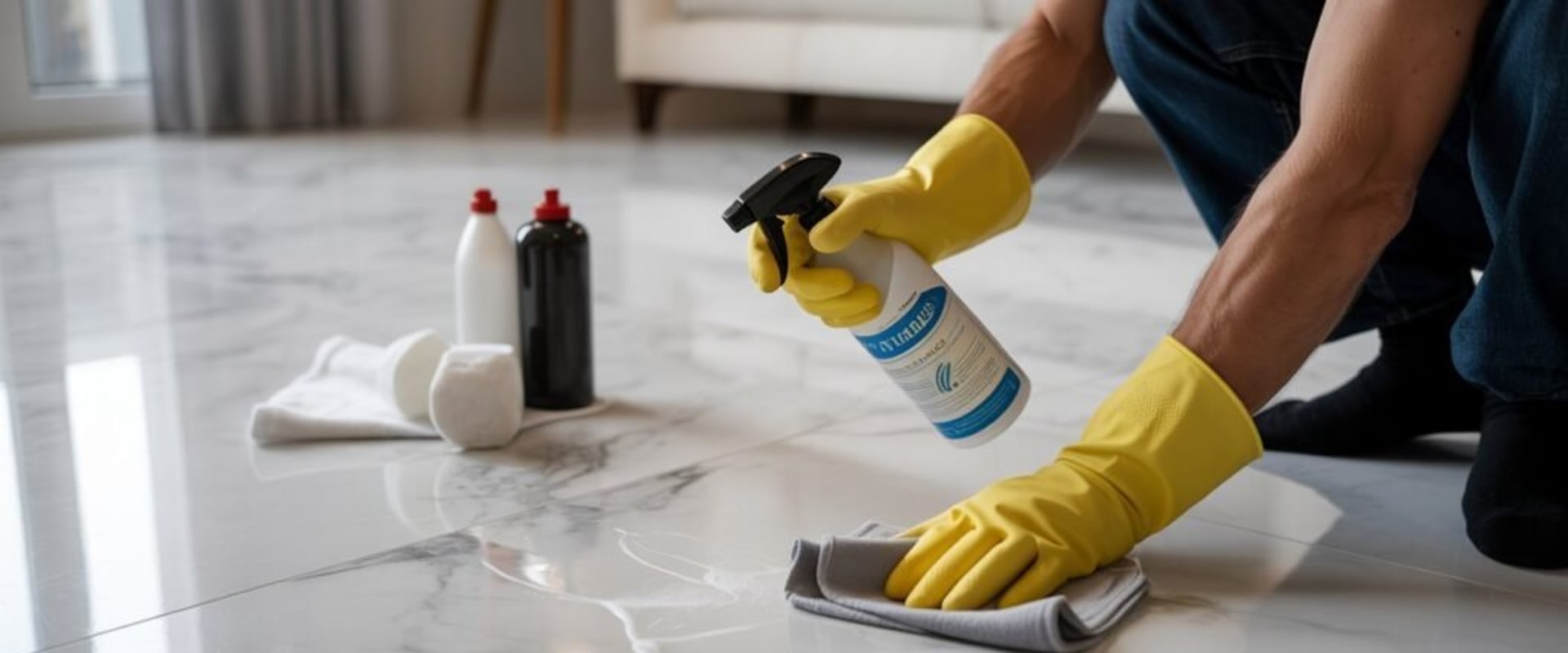
When it comes to cleaning marble floors, having the right supplies is crucial for maintaining their beauty and longevity. Here’s a list of essential cleaning products and tools that are safe and effective for residential floor care.Recommended Cleaning Products
- pH-Neutral Cleaners: Always opt for a pH-neutral cleaner specifically formulated for marble. These products effectively remove dirt and grime without damaging the surface.
- Stone-Safe Disinfectants: If you need to disinfect your marble floors, choose a stone-safe disinfectant that won’t etch or dull the finish.
- Natural Cleaning Solutions: For a DIY approach, a mixture of warm water and a few drops of mild dish soap can work wonders. Avoid acidic substances like vinegar or lemon juice, as they can harm the marble.
Essential Tools for Cleaning
- Microfiber Mop: A microfiber mop is ideal for cleaning marble floors as it effectively traps dust and dirt without scratching the surface.
- Soft-Bristled Brush: For stubborn stains, use a soft-bristled brush to gently scrub the area without causing damage.
- Buckets and Spray Bottles: Having a dedicated bucket for your cleaning solution and a spray bottle for easy application can streamline your cleaning process.
By using the right cleaning supplies and tools, you can ensure that your marble floors remain stunning and well-preserved for years to come.
Step-by-Step Guide to Cleaning Marble Floors
Cleaning marble floors requires a careful approach to maintain their beauty and integrity. Follow this step-by-step guide to ensure your marble surfaces remain pristine.- Preparation: Before you start cleaning, remove any loose dirt and debris. Use a soft-bristle broom or a vacuum cleaner with a soft attachment to avoid scratching the surface.
- Choose the Right Cleaning Solution: Opt for a pH-neutral cleaner specifically designed for marble. Avoid acidic or abrasive cleaners, as they can damage the surface.
You can also create a gentle solution by mixing warm water with a few drops of dish soap.
- Test the Cleaner: Before applying the solution to the entire floor, test it in a small, inconspicuous area to ensure it does not cause discoloration or damage.
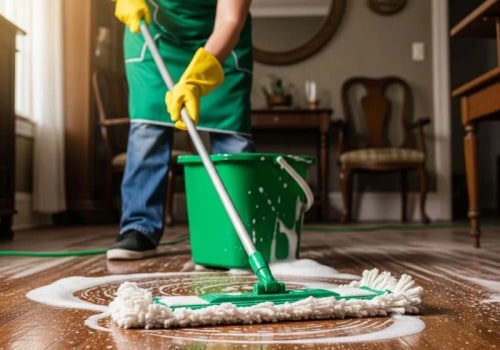
- Mopping: Dampen a microfiber mop with your cleaning solution. Ensure it is not soaking wet, as excess water can seep into the marble and cause damage. Mop the floor in sections, rinsing the mop frequently to avoid spreading dirt.
- Spot Cleaning: For stubborn stains, create a paste using baking soda and water. Apply it to the stain, cover it with plastic wrap, and let it sit for 24 hours before gently scrubbing with a soft cloth.
- Rinsing: After mopping, rinse the floor with clean water to remove any residue from the cleaning solution.
Again, use a damp mop rather than soaking the floor.
- Drying: Use a clean, dry microfiber cloth or towel to wipe down the floor after rinsing. This step is crucial to prevent water spots and streaks from forming on the marble surface.
Preventative Maintenance for Marble Floors
Maintaining the beauty and integrity of marble floors requires a proactive approach to preventing damage. By implementing a few simple yet effective maintenance tips, homeowners can significantly extend the life of their marble surfaces.Sealing Marble Floors
- Sealing is one of the most crucial steps in protecting marble floors.
A high-quality sealant creates a barrier against stains and moisture, which can penetrate the porous surface of marble.
- It is recommended to seal marble floors every 6 to 12 months, depending on foot traffic and exposure to spills.
- Before applying a sealant, ensure that the floor is thoroughly cleaned and dried to achieve optimal adhesion.
Regular Maintenance Routines
- Establish a routine cleaning schedule that includes sweeping or vacuuming to remove dirt and debris that can scratch the surface.
- Use a damp mop with a pH-neutral cleaner specifically designed for marble. Avoid acidic or abrasive cleaners that can etch the surface.
- Immediately wipe up spills, especially acidic substances like lemon juice or vinegar, to prevent staining.
Preventing Scratches and Damage
- Place mats or rugs at entryways to trap dirt and grit before it reaches your marble floors.
- Use felt pads under furniture legs to prevent scratches when moving items across the floor.
- Avoid wearing high-heeled shoes or shoes with rough soles on marble floors, as they can cause scratches and dents.
Common Mistakes to Avoid When Cleaning Marble Floors
Cleaning marble floors requires a delicate approach, and many homeowners inadvertently make mistakes that can lead to costly damage. Here are some common pitfalls to avoid:- Using acidic cleaners: One of the most significant mistakes is using acidic substances like vinegar or lemon juice.
These can etch the surface of the marble, leading to dullness and irreversible damage.
- Neglecting to test products: Always test any cleaning product on a small, inconspicuous area before applying it to the entire floor. This helps ensure that it won’t cause discoloration or damage.
- Scrubbing with abrasive materials: Avoid using steel wool or harsh scrub brushes. Instead, opt for soft cloths or mops designed for delicate surfaces to prevent scratching.
- Over-wetting the floor: Excess water can seep into the porous surface of marble, leading to stains and mold growth. Use a damp mop rather than soaking the floor.
- Ignoring regular maintenance: Failing to regularly dust and sweep can lead to dirt buildup, which can scratch the surface when walked on.
Establish a routine cleaning schedule to keep your marble floors looking pristine.
FAQs About Cleaning Marble Floors
When it comes to cleaning marble floors, homeowners often have several questions regarding the best practices and maintenance tips. Here are some frequently asked questions that can help you keep your marble floors looking pristine.How often should you clean marble floors?
It is recommended to clean your marble floors at least once a week to prevent dirt and grime buildup. However, high-traffic areas may require more frequent cleaning.Regular maintenance not only enhances the appearance of your floors but also extends their lifespan.
Can you use vinegar on marble?
No, you should not use vinegar on marble floors.
Vinegar is acidic and can etch the surface of the marble, leading to dullness and damage over time. Instead, opt for a pH-neutral cleaner specifically designed for marble or a mild soap solution. Always test any cleaning product in a small, inconspicuous area before applying it to the entire floor.
What are some tips for maintaining marble floors?
- Use coasters and mats: Place coasters under drinks and mats in entryways to minimize scratches and stains.
- Wipe spills immediately: Clean up spills as soon as they occur to prevent staining.
- Avoid abrasive cleaners: Steer clear of harsh chemicals and scrubbing pads that can scratch the surface.
- Seal your marble: Consider applying a sealant every 6-12 months to protect against stains and moisture.
Conclusion: Keeping Your Marble Floors Pristine
In conclusion, maintaining the beauty and integrity of your marble floors requires a dedicated approach to residential floor care. By understanding the unique properties of marble, homeowners can implement effective cleaning and maintenance strategies that will prolong the life of their flooring. First and foremost, it is essential to use the right cleaning products.Avoid acidic cleaners that can etch the surface of marble. Instead, opt for pH-neutral solutions specifically designed for marble care. Regular sweeping or dusting is also crucial to prevent dirt and grit from scratching the surface.
Regular Maintenance
Establishing a routine maintenance schedule can significantly enhance the longevity of your marble floors. Here are some key practices:- Daily Cleaning: Use a soft mop or cloth to remove dust and debris.
- Weekly Deep Cleaning: Employ a damp mop with a suitable marble cleaner to maintain shine.
- Immediate Spill Response: Wipe up spills promptly to prevent staining.
This simple step can make a significant difference in preserving the floor's appearance. Finally, remember that professional care can be beneficial. Engaging a professional service for periodic deep cleaning and polishing can restore your marble's luster and address any wear that may occur over time. By following these guidelines, you can ensure that your marble floors remain a stunning feature of your home for years to come. Proper residential floor care not only enhances aesthetic appeal but also contributes to the overall value of your property.