Bamboo flooring has gained immense popularity in recent years, not only for its aesthetic appeal but also for its sustainability. As a renewable resource, bamboo grows rapidly and can be harvested without causing significant environmental damage, making it an eco-friendly choice for homeowners. This type of flooring is available in various styles, including strand-woven, horizontal, and vertical bamboo, each offering unique characteristics and visual appeal. Understanding these types is essential for selecting the right option that complements your home’s design. The benefits of bamboo flooring extend beyond its environmental impact.
It is known for its durability, often surpassing traditional hardwoods in strength and resilience. Bamboo is naturally resistant to moisture and pests, making it an excellent choice for residential spaces prone to humidity or insect issues. Additionally, its natural beauty adds warmth and elegance to any room, enhancing the overall ambiance of your home. However, to maintain the stunning appearance and longevity of bamboo flooring, proper cleaning and maintenance are crucial. Neglecting these practices can lead to scratches, dullness, and even structural damage over time.
In the following sections, we will explore effective strategies for residential floor care, ensuring your bamboo flooring remains a beautiful and sustainable choice for years to come.
Why Proper Maintenance is Essential for Bamboo Flooring
Maintaining bamboo flooring is crucial for homeowners who want to preserve the beauty and functionality of their residential spaces.Proper maintenance
not only enhances the aesthetic appeal of bamboo floors but also significantly extends their lifespan. Bamboo is a natural material that can be susceptible to wear and tear if not cared for correctly.One of the primary reasons for regular maintenance is to prevent damage from dirt and debris. Over time, particles can scratch the surface, leading to dullness and a lackluster appearance.By implementing a routine cleaning schedule, homeowners can keep their bamboo floors looking vibrant and new.
- Longevity: With proper care, bamboo flooring can last for decades. Regular cleaning and maintenance help to protect the floor from moisture damage, which is essential since bamboo is more sensitive to water than traditional hardwoods.
- Appearance: A well-maintained bamboo floor retains its natural luster and color. This is particularly important in residential settings where aesthetics play a significant role in home value and comfort.
- Health Benefits: Keeping your floors clean reduces allergens and improves indoor air quality, making your home a healthier environment for you and your family.
Daily Cleaning Routine for Bamboo Floors
Maintaining the beauty and durability of bamboo flooring requires a consistent daily cleaning routine.This routine is essential to prevent dirt buildup and protect the floor's integrity. Here are some best practices for cleaning your bamboo floors:
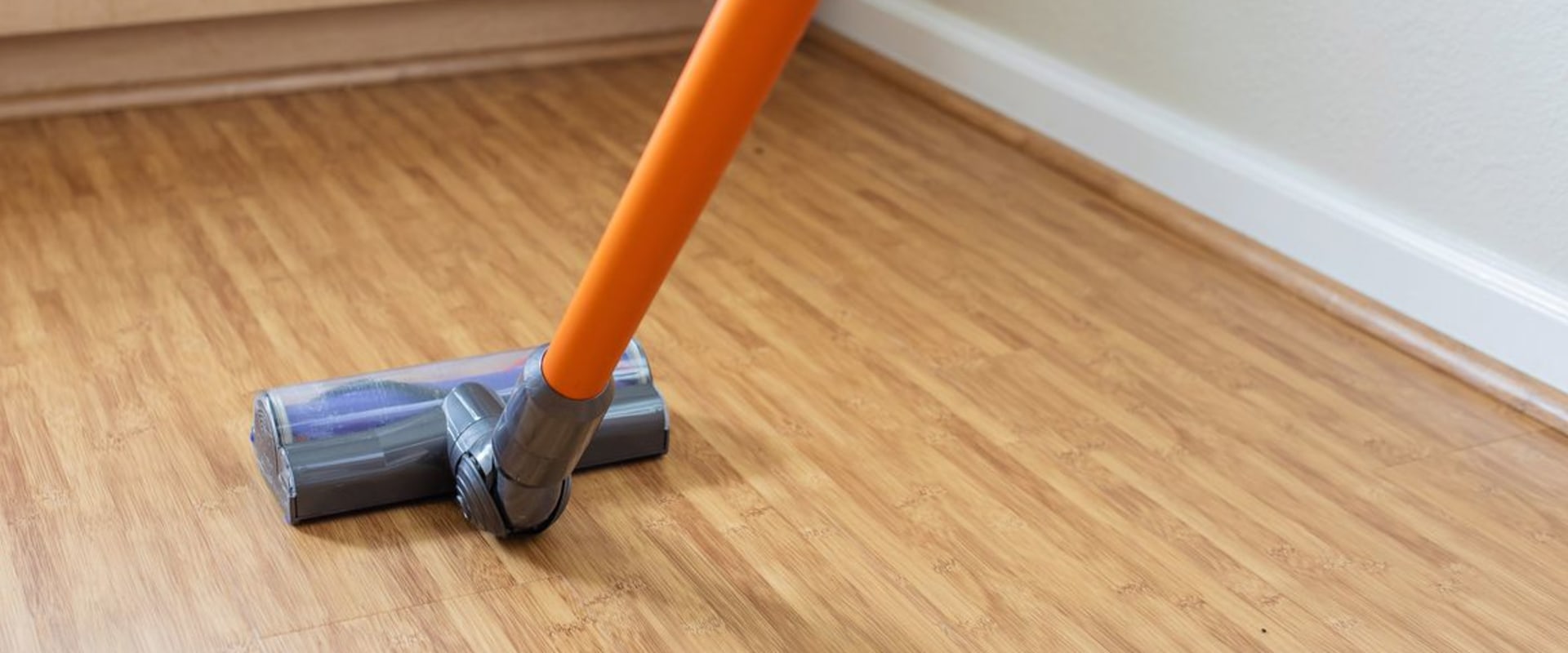
- Sweeping: Use a soft-bristle broom to sweep the floor daily. This helps remove dust, dirt, and debris that can scratch the surface. Avoid using a vacuum with a beater bar, as it can damage the finish.
- Dusting: In addition to sweeping, dusting with a microfiber cloth or mop can effectively capture fine particles.
This method is gentle on the floor and prevents any potential scratches.
- Spot Cleaning: For spills or stains, promptly clean the affected area with a damp cloth. Avoid soaking the floor, as excess moisture can warp bamboo. Instead, use a minimal amount of water and dry the area immediately.
This simple measure can significantly reduce the amount of cleaning required and help maintain the natural beauty of your bamboo flooring.
Deep Cleaning Techniques for Bamboo Flooring
Deep cleaning bamboo flooring is essential for maintaining its beauty and longevity, especially when faced with stubborn stains and accumulated grime. Here are some effective techniques and solutions to ensure your bamboo floors remain in pristine condition.- Vacuum or Sweep First: Before applying any cleaning solution, it’s crucial to remove loose dirt and debris. Use a soft-bristle vacuum or a broom to prevent scratching the surface.
- Choose the Right Cleaning Solution: For deep cleaning, opt for a pH-neutral cleaner specifically designed for bamboo or hardwood floors. Avoid harsh chemicals that can damage the finish.
A mixture of warm water and a few drops of mild dish soap can also work effectively.
- Spot Treatment for Stains: For tougher stains, create a paste using baking soda and water. Apply it directly to the stain, let it sit for a few minutes, then gently scrub with a soft cloth. Rinse with a damp cloth afterward.
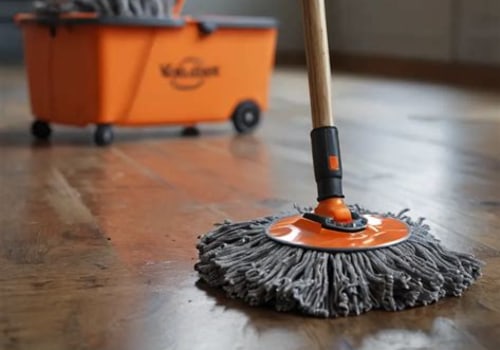
- Use a Microfiber Mop: When deep cleaning, use a damp microfiber mop rather than soaking the floor. Excess water can seep into the seams and cause warping.
Ensure the mop is only slightly damp to avoid water damage.
- Steam Cleaners: If you prefer using a steam cleaner, ensure it’s suitable for bamboo flooring. Use it sparingly, as excessive moisture can harm the wood. Always follow the manufacturer’s guidelines.
Remember to always test any new cleaning solution in an inconspicuous area before applying it to the entire floor.
Protecting Bamboo Floors from Damage
To ensure the longevity and beauty of your bamboo flooring, it is essential to implement effective strategies for protecting bamboo flooring from damage. Bamboo is a durable material, but it can still be susceptible to scratches and dents if not properly cared for.One of the most effective ways to prevent scratches on bamboo floors is by using area rugs in high-traffic zones. These rugs act as a barrier, absorbing impact and reducing wear on the floor beneath. Choose rugs with non-slip backing to prevent them from sliding around, which could lead to accidents.In addition to rugs, consider placing furniture pads under the legs of your furniture.These pads help distribute weight evenly and minimize the risk of dents caused by heavy items. When moving furniture, always lift rather than drag it across the floor to avoid scratching the surface.Another preventive measure is to maintain a clean environment. Regularly sweep or vacuum your bamboo floors to remove dirt and debris that can cause scratches over time. For deeper cleaning, use a damp mop with a cleaner specifically designed for bamboo or hardwood floors.Finally, be mindful of pet claws and high-heeled shoes, as these can also contribute to damage.
If you have pets, consider keeping their nails trimmed and providing them with designated areas to play that are away from your bamboo flooring.By following these residential floor care protection tips, you can significantly extend the life of your bamboo flooring while maintaining its natural beauty.
Dealing with Common Issues in Bamboo Flooring Maintenance
Maintaining bamboo flooring can present some challenges, particularly when it comes to common issues like scratches and moisture damage. Understanding how to address these problems is essential for preserving the beauty and longevity of your floors.Addressing Scratches on Bamboo Floors
Scratches are a frequent concern for homeowners with bamboo flooring. Fortunately, there are effective methods to fix scratches on bamboo floors. Here are some steps you can take:- Identify the Scratch: Determine the depth of the scratch.
Light surface scratches can often be treated more easily than deeper ones.
- Use a Wood Repair Kit: For minor scratches, a wood repair kit that matches the color of your bamboo can be very effective. Apply the filler according to the manufacturer's instructions.
- Sand and Refinish: For deeper scratches, lightly sand the area with fine-grit sandpaper, then apply a matching finish to restore its original look.
Preventing and Repairing Moisture Damage
Moisture damage in bamboo flooring can lead to warping and other serious issues. To prevent this, consider the following:- Control Humidity Levels: Maintain indoor humidity between 30% and 50%. Use dehumidifiers in damp areas to prevent excess moisture.
- Immediate Cleanup: Clean up spills promptly to avoid water seeping into the seams of your flooring.
- Repairing Damage: If you notice signs of moisture damage, such as warping or buckling, consult a professional for assessment and potential repair options.
Regular maintenance and prompt attention to problems will go a long way in preserving your investment in residential floor care.
FAQs About Bamboo Flooring Care
When it comes to bamboo flooring care, homeowners often have several questions regarding maintenance and longevity. Here are some of the most frequently asked questions:- How often should I clean my bamboo floors?
It is recommended to clean your bamboo floors at least once a week. Regular sweeping or vacuuming helps remove dirt and debris that can scratch the surface. - Can I use water to clean bamboo flooring?
While bamboo is more water-resistant than traditional hardwood, excessive moisture can damage it. Use a damp mop with a pH-neutral cleaner specifically designed for wood floors. - What should I do if my bamboo floor gets scratched?
Minor scratches can often be buffed out using a soft cloth and a wood floor repair kit.For deeper scratches, consider consulting a professional for refinishing options.
- Is it safe to use vinegar on bamboo floors?
Vinegar is too acidic and can damage the finish of your bamboo flooring. Stick to cleaners that are specifically formulated for wood surfaces. - How can I protect my bamboo flooring from furniture scratches?
Using felt pads under furniture legs can significantly reduce the risk of scratches. Additionally, avoid dragging heavy items across the floor.
Conclusion: Key Takeaways for Maintaining Bamboo Flooring
In conclusion, maintaining bamboo flooring requires a thoughtful approach to ensure its longevity and aesthetic appeal.By following the right residential floor care practices, homeowners can enjoy the beauty of bamboo for years to come. Here are the key takeaways for effective maintenance:
- Regular Cleaning: Sweep or vacuum your bamboo floors regularly to remove dirt and debris. This prevents scratches and keeps the surface looking pristine.
- Use Appropriate Cleaners: Opt for pH-neutral cleaners specifically designed for bamboo or hardwood floors. Avoid harsh chemicals that can damage the finish.
- Moisture Control: Bamboo is sensitive to moisture. Wipe up spills immediately and use a damp mop rather than soaking the floor.
Maintaining a consistent humidity level in your home can also help prevent warping.
- Protective Measures: Place mats at entryways to trap dirt and moisture. Use felt pads under furniture legs to prevent scratches and dents.
- Periodic Refinishing: Depending on foot traffic, consider refinishing your bamboo flooring every few years to restore its shine and protect it from wear.