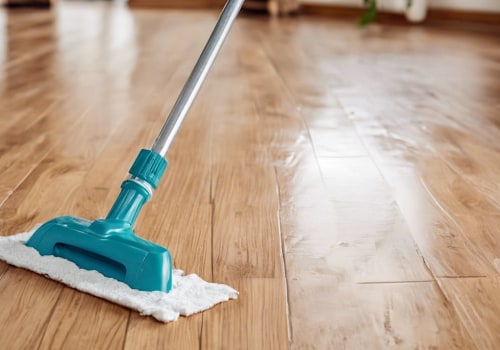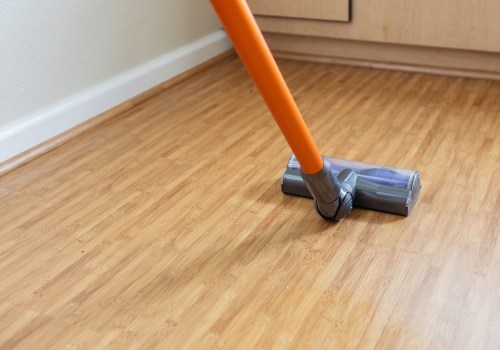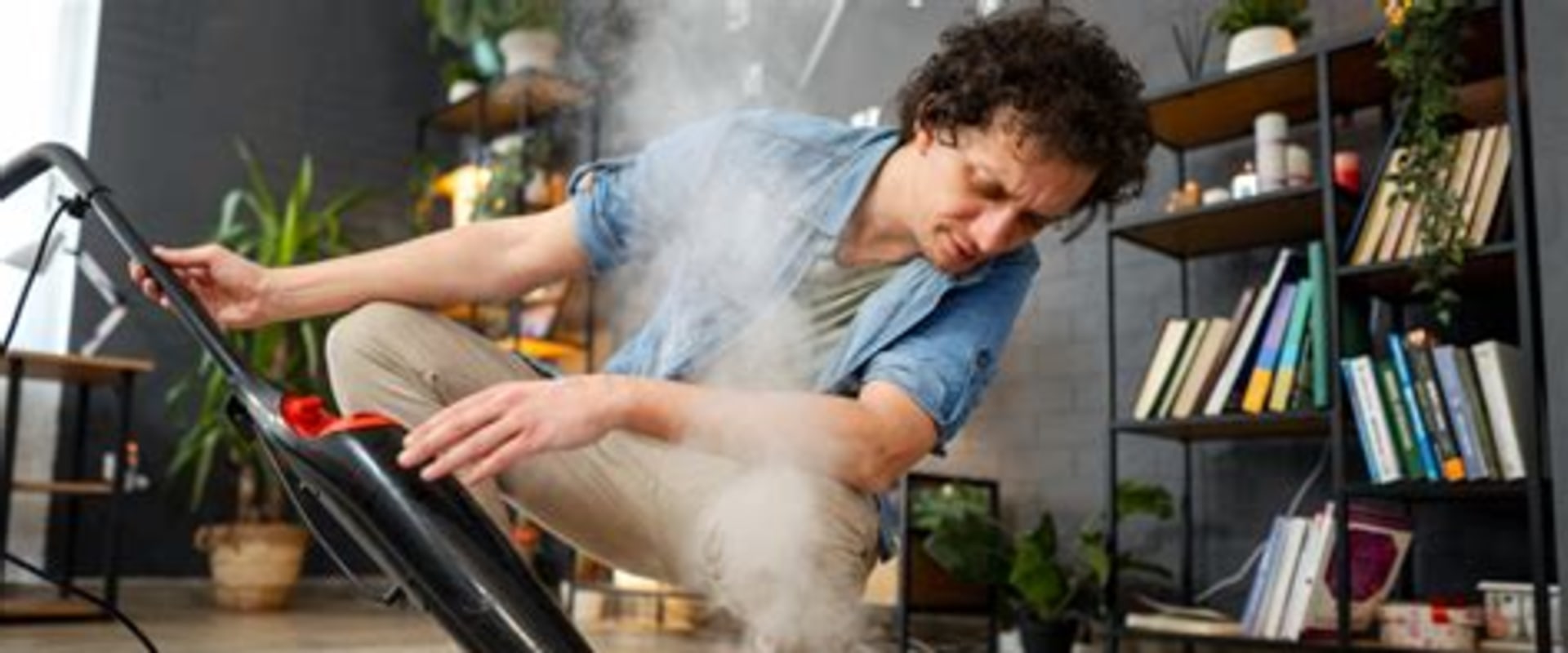
Steam cleaners have revolutionized residential floor care by providing an effective and eco-friendly solution for maintaining cleanliness and hygiene. Utilizing the power of high-temperature steam, these devices can penetrate deep into various flooring materials, loosening dirt, grime, and allergens without the need for harsh chemicals. This not only ensures a thorough clean but also contributes to a healthier living environment, making steam cleaning an increasingly popular choice among homeowners. Understanding how steam cleaners work is essential for maximizing their benefits. When water is heated to a boiling point, it transforms into steam, which is then directed through a nozzle onto the floor surface.
The heat from the steam helps to dissolve stubborn stains and kill bacteria, making it particularly effective for hard surfaces like tile, laminate, and sealed hardwood. However, the effectiveness of steam cleaning largely depends on proper usage techniques, which can significantly impact the results. As we delve deeper into the topic of common mistakes to avoid when using a steam cleaner on residential floors, it’s crucial to recognize that while these machines offer numerous advantages, improper handling can lead to less-than-ideal outcomes. From selecting the right attachments to understanding the appropriate settings for different floor types, being informed about best practices will ensure that you harness the full potential of your steam cleaner while preserving the integrity of your floors.
Mistake #1: Not Prepping the Floor Before Cleaning
When it comes to residential floor care, one of the most critical steps often overlooked is the preparation of the floor before using a steam cleaner. Properly prepping your floors can significantly enhance the effectiveness of the cleaning process and help prevent potential damage.Before you even think about turning on your steam cleaner, take a moment to assess your space.Here are some essential steps to follow:
- Remove Furniture: Clear the area of any furniture, rugs, or decorative items. This not only provides you with unobstructed access to the floor but also prevents any accidental damage to your belongings.
- Pick Up Debris: Sweep or vacuum the floor thoroughly to remove dust, dirt, and larger debris. If you skip this step, the steam cleaner may push dirt around instead of lifting it, leading to unsatisfactory results.
- Check for Stains: Inspect the floor for any stains or spots that may require special attention. Pre-treating these areas with an appropriate cleaner can help ensure they are effectively removed during the steam cleaning process.
- Test for Compatibility: Ensure that your flooring material is compatible with steam cleaning.
Some surfaces, like unsealed hardwood or certain types of laminate, may be damaged by excessive moisture and heat.
Mistake #2: Using the Wrong Type of Steam Cleaner for Your Floor Type
When it comes to residential floor care, selecting the right type of steam cleaner is crucial for maintaining the integrity and appearance of your floors. Different flooring materials require different cleaning approaches, and using the wrong steam cleaner can lead to damage or ineffective cleaning.Types of Steam Cleaners
- Canister Steam Cleaners: These are versatile and often come with various attachments, making them suitable for multiple floor types, including tile and laminate.
- Upright Steam Cleaners: Best for carpets, these models are designed to deep clean fabric surfaces but may not be ideal for delicate hardwood floors.
- Handheld Steam Cleaners: While great for spot cleaning and small areas, they may lack the power needed for larger floor spaces.
Choosing the Right Cleaner for Your Floor Type
Understanding your floor type is essential in selecting the best steam cleaner:- Hardwood Floors: Look for steam cleaners specifically designed for hardwood. These typically have adjustable steam settings to prevent excess moisture that can warp wood.
- Tile Floors: Most steam cleaners work well on tile, but ensure that the model has a strong enough steam output to tackle grout lines effectively.
- Carpet: For carpets, an upright steam cleaner with a rotating brush is often the best choice, as it can lift dirt from deep within the fibers.
Always check manufacturer guidelines and recommendations to ensure you are using a compatible steam cleaner for your residential flooring.
Mistake #3: Ignoring Manufacturer Instructions
When it comes to residential floor care, one of the most critical mistakes homeowners make is ignoring the manufacturer instructions that come with their steam cleaner. These guidelines are not just suggestions; they are essential for ensuring both the safety of your floors and the effectiveness of the cleaning process.Understanding Manufacturer Guidelines
- Temperature Settings: Different floor types require specific temperature settings. For instance, hardwood floors may be sensitive to high heat, which can cause warping or damage. Always check the recommended settings for your particular flooring material.
- Cleaning Solutions: Some steam cleaners are designed to work with specific cleaning solutions or may even require you to use only water.
Using the wrong solution can lead to residue buildup or damage your steam cleaner.
- Attachment Usage: Many steam cleaners come with various attachments designed for different surfaces. Using the wrong attachment can not only be ineffective but may also scratch or damage your floors.
Safety Considerations
Ignoring these instructions can lead to serious safety hazards. For example, using a steam cleaner on a surface that is not compatible can result in slips and falls due to excess moisture or improper cleaning. Additionally, failing to follow safety precautions outlined in the manual can lead to burns or other injuries.In summary, always take the time to read and understand the steam cleaner instructions.
By adhering to the manufacturer guidelines, you not only protect your investment in your cleaning equipment but also ensure that your residential floors remain in pristine condition for years to come.
Mistake #4: Overusing Steam or Water on Floors
When it comes to residential floor care, one of the most common mistakes homeowners make is overusing steam or water during the cleaning process. While steam cleaning can be an effective method for sanitizing and removing dirt, excessive moisture can lead to significant damage to your floors.Understanding the Risks
- Water Damage: Too much steam or water can seep into seams and cracks, especially in hardwood and laminate floors, leading to warping or swelling.
- Mold Growth: Excess moisture creates an ideal environment for mold and mildew, which can compromise indoor air quality and damage flooring materials.
- Slippery Surfaces: Over-saturation can leave floors dangerously slippery, posing a risk of falls and injuries.
Effective Steam Cleaning Techniques
To avoid these pitfalls, consider the following tips for using steam effectively:
- Use the Right Settings: Adjust your steam cleaner to the appropriate setting for your floor type. Many models have specific settings for different surfaces.
- Keep the Cleaner Moving: Instead of holding the steam cleaner in one spot, keep it moving to distribute moisture evenly and prevent pooling.
- Limit Water Usage: Use just enough steam to clean without saturating the floor. A light mist is often sufficient for most cleaning tasks.
- Test in a Small Area: Before applying steam to the entire floor, test it in a small, inconspicuous area to ensure there’s no adverse reaction.
Remember, less is often more when it comes to moisture in residential floor care.
Mistake #5: Failing to Maintain the Steam Cleaner Properly
One of the most critical yet often overlooked aspects of residential floor care is the proper maintenance of your steam cleaner. Neglecting this essential task can lead to diminished performance, reduced lifespan, and even potential damage to your floors. Here are some key maintenance tips to keep your steam cleaner in top shape:- Regularly Empty the Water Tank: After each use, make sure to empty the water tank. Stagnant water can lead to mineral buildup and mold growth, which can affect both the steam cleaner's performance and your indoor air quality.
- Clean the Filters: Many steam cleaners come equipped with filters that need regular cleaning or replacement.
Check your user manual for specific instructions on how often to clean or replace these components to ensure optimal steam output.
- Inspect and Clean the Steam Nozzle: The steam nozzle can become clogged with debris over time. Regularly inspect it for blockages and clean it according to the manufacturer's guidelines. A clear nozzle ensures that steam is distributed evenly across your floors.
- Store Properly: When not in use, store your steam cleaner in a cool, dry place. Avoid leaving it in damp areas, as moisture can lead to rust and other damage.
Additionally, ensure that the power cord is neatly coiled to prevent any wear and tear.
- Check for Wear and Tear: Periodically inspect your steam cleaner for any signs of wear, such as frayed cords or damaged hoses. Addressing these issues promptly can prevent further damage and ensure safe operation.
Mistake #6: Not Testing on a Small Area First
When using a steam cleaner for residential floor care, one of the most critical steps is to test a small area first. This precaution can save you from potential damage and costly repairs.Different flooring materials react uniquely to steam cleaning, and what works well on one surface may not be suitable for another.
Why Testing is Essential
Testing a small, inconspicuous area allows you to assess how your floor will respond to the steam cleaner. This practice helps in identifying:- Material Compatibility: Some floors, like hardwood or laminate, may warp or discolor when exposed to excessive moisture or heat.
- Stain Removal Effectiveness: You can determine if the steam cleaner effectively removes dirt and stains without damaging the finish.
- Surface Integrity: Checking for any adverse reactions, such as peeling or bubbling, ensures that your entire floor won't suffer from unexpected damage.
- Select a small, hidden area of your floor.
- Use the steam cleaner on this section according to the manufacturer's instructions.
- Allow the area to dry completely before evaluating the results.
Common FAQs About Steam Cleaning Residential Floors
When it comes to steam cleaning residential floors, many homeowners have questions that can help them achieve the best results while avoiding common pitfalls. Here are some frequently asked questions:1.Can I use a steam cleaner on all types of flooring?
Not all flooring materials are suitable for steam cleaning.While tile, vinyl, and some sealed hardwood floors can benefit from steam cleaning, others like unsealed wood, laminate, and certain types of carpets may be damaged by moisture and heat. Always check the manufacturer's guidelines before proceeding.
2.How often should I steam clean my floors?
The frequency of steam cleaning depends on foot traffic and the type of flooring. For high-traffic areas, consider steam cleaning every 1-2 weeks, while less frequented spaces may only need it monthly. Regular maintenance helps keep your floors looking their best.3.What are the common mistakes to avoid?
- Over-saturating the floor: Using too much steam can lead to water damage or mold growth, especially in porous materials.
- Not pre-treating stains: Stubborn stains may require pre-treatment before steam cleaning for effective removal.
- Using the wrong attachments: Different surfaces require specific attachments; using the wrong one can lead to ineffective cleaning or damage.
4.Do I need to vacuum before steam cleaning?
Yes, vacuuming is essential before using a steam cleaner.It removes loose dirt and debris, allowing the steam cleaner to work more effectively on embedded grime.
5.Is it necessary to let the floor dry after steam cleaning?
Absolutely! Allowing your floors to dry completely is crucial to prevent slips and falls, as well as to avoid any potential water damage. Ensure proper ventilation in the area to speed up the drying process.By addressing these common questions, you can enhance your understanding of residential floor care and make informed decisions when using a steam cleaner in your home.Conclusion: Key Takeaways for Effective Residential Floor Care with Steam Cleaners
In conclusion, effective residential floor care with steam cleaners hinges on understanding and avoiding common pitfalls. By being mindful of these mistakes, homeowners can ensure their floors remain clean, safe, and well-maintained.Key Mistakes to Avoid
- Neglecting Manufacturer Instructions: Always refer to the steam cleaner's manual for specific guidelines on usage and maintenance. Each model may have unique requirements that are crucial for optimal performance.
- Using Excessive Water: Over-saturating floors can lead to water damage and mold growth.
Use the steam cleaner's settings wisely to control moisture levels.
- Ignoring Floor Type: Not all floors are suitable for steam cleaning. Ensure your flooring material can withstand heat and moisture; for instance, hardwood may warp if exposed to too much steam.
- Skipping Pre-Cleaning: Before using a steam cleaner, remove loose dirt and debris. This step enhances the effectiveness of the steam cleaning process.
- Failing to Test in a Small Area: Always test the steam cleaner on a small, inconspicuous area first. This precaution helps prevent potential damage to your flooring.
Regular maintenance combined with proper steam cleaning techniques will not only enhance the appearance of your floors but also extend their lifespan.