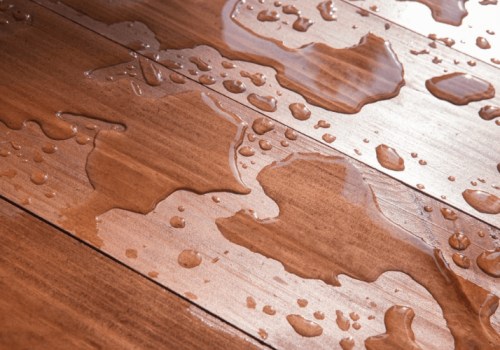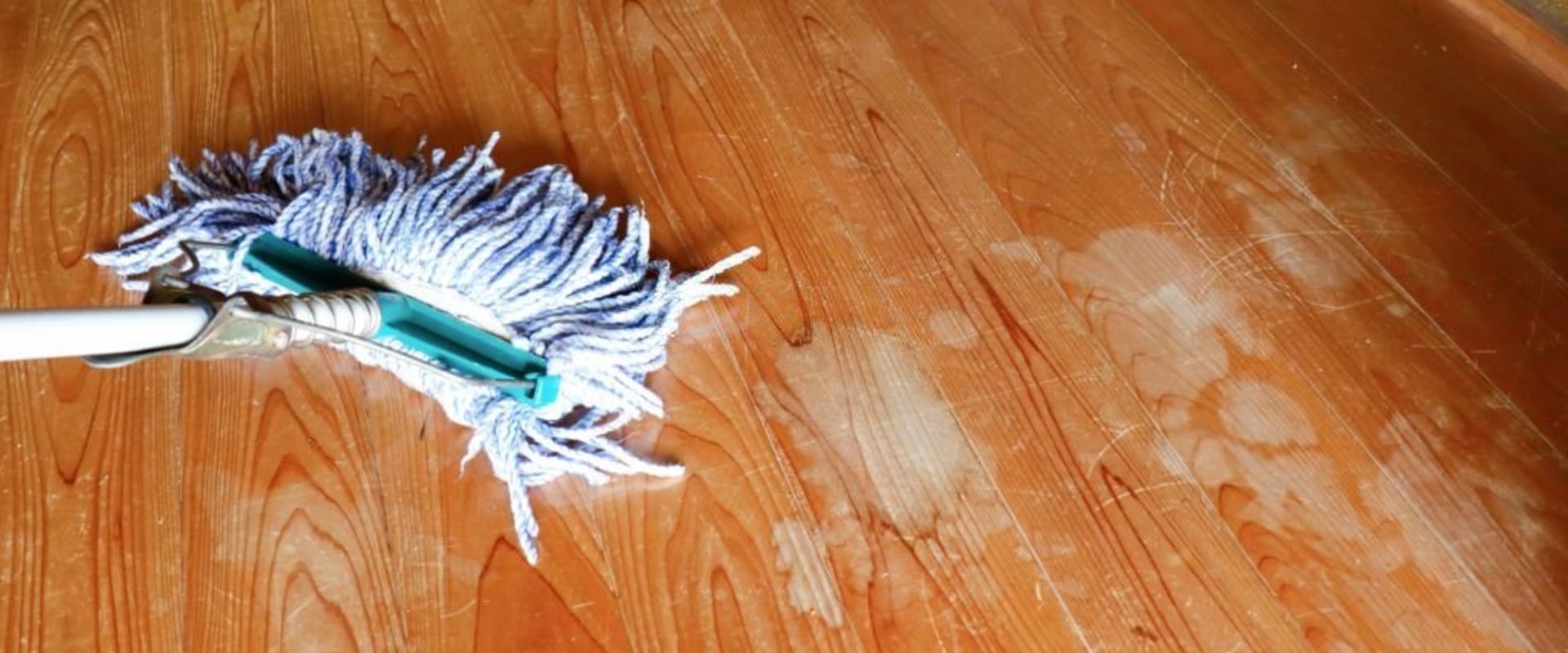
Water stains on hardwood floors can be a frustrating issue for homeowners, often appearing as unsightly marks that detract from the beauty of your flooring. These stains typically occur when water seeps into the wood, causing discoloration and damage. Understanding the causes of water stains is crucial for effective residential floor care. Common culprits include spills, leaks, or even high humidity levels that can lead to moisture accumulation. When water penetrates the surface of hardwood, it disrupts the natural finish and can lead to a range of problems, from minor discoloration to severe warping.
If left untreated, these stains can become permanent, making it essential to address them promptly. Not only do they affect the aesthetic appeal of your home, but they can also compromise the integrity of your flooring over time. In this article, we will explore various methods to effectively remove water stains from hardwood floors, ensuring that your investment remains in top condition. By understanding how these stains form and the importance of timely intervention, you can take proactive steps to maintain the beauty and longevity of your hardwood surfaces.
Assessing the Damage: Types of Water Stains
Water stains on hardwood floors can vary significantly in appearance and severity, making it essential to assess the damage before attempting any cleaning methods. Understanding the types of water stains is crucial for effective residential floor care.Surface Stains
Surface stains are typically the result of water sitting on the floor for a short period.These stains often appear as white or cloudy spots on the surface of the wood. They occur when moisture penetrates the finish but does not reach the wood itself. Common causes include:
- Spills from drinks or food
- Condensation from furniture or appliances
- Wet shoes tracking in water
Deep Stains
Deep stains, on the other hand, indicate that water has penetrated beyond the finish and into the wood itself.These stains can appear dark brown or black and may be accompanied by warping or swelling of the wood. Deep stains are often caused by:
- Prolonged exposure to moisture
- Leaking pipes or roofs
- Flooding incidents
Essential Tools and Materials for Removal
To effectively remove water stains from hardwood floors, having the right tools and materials is essential.Below is a comprehensive list of items you will need to ensure a successful cleaning process.
- Microfiber Cloths: These are ideal for cleaning as they are gentle on the wood surface and highly absorbent, making them perfect for blotting up moisture.
- Soft-Bristled Brush: A soft-bristled brush can help in gently scrubbing the stained area without scratching the hardwood.
- Wood Floor Cleaner: Look for a pH-balanced cleaner specifically designed for hardwood floors. Avoid harsh chemicals that can damage the finish.
- White Vinegar: This natural cleaner can be effective in breaking down water stains. Mix it with water for a safe cleaning solution.
- Baking Soda: Known for its mild abrasive properties, baking soda can help lift stubborn stains when mixed with water to form a paste.
- Olive Oil or Mineral Oil: These oils can be used to condition the wood after cleaning, helping to restore its natural shine and protect against future stains.
- Heat Source (like a hairdryer): A hairdryer set on low can help evaporate moisture from the wood, which is particularly useful for fresh stains.
Remember to always test any cleaning solution on a small, inconspicuous area first to ensure it does not damage the finish of your floors.
Step-by-Step Guide to Remove Surface Water Stains
Removing surface water stains from hardwood floors can be a straightforward process if you follow the right steps. Here’s a step-by-step guide to help you restore your floors to their original beauty.- Assess the Stain: Before you begin, determine the severity of the water stain. Light stains may only require simple cleaning methods, while deeper stains might need more intensive treatment.
- Gather Your Supplies: You will need:
- Soft cloths or paper towels
- White vinegar
- Olive oil or mineral oil
- Baking soda
- Wood floor cleaner (optional)
- Try Vinegar and Oil: Mix equal parts of white vinegar and olive oil in a bowl. Dampen a soft cloth with the mixture and gently rub it over the stained area.
The vinegar helps lift the stain while the oil conditions the wood.
- Baking Soda Paste: For stubborn stains, create a paste using baking soda and water. Apply it to the stain and let it sit for about 5-10 minutes before gently scrubbing with a soft cloth. Rinse with a damp cloth afterward.
- Use a Commercial Cleaner: If DIY solutions don’t work, consider using a commercial wood floor cleaner specifically designed for your type of flooring. Follow the manufacturer’s instructions for best results.
- Dry Thoroughly: After cleaning, ensure that the area is dried completely to prevent further damage.
Use a dry cloth to wipe away any excess moisture.
Dealing with Deep Water Stains: Advanced Techniques
When it comes to removing deep water stains from hardwood floors, sometimes basic cleaning methods just won't cut it. If you've tried the usual remedies and the stains persist, it may be time to consider more advanced techniques.Assessing the Damage
Before diving into advanced cleaning methods, it's crucial to assess the extent of the damage. If the stain has penetrated deeply into the wood, you may need to take more drastic measures.
Look for discoloration and warping, as these are signs that the water has affected the integrity of the wood.
Advanced Cleaning Techniques
- Oxalic Acid Treatment: This method can effectively lighten dark water stains. Mix oxalic acid with water according to package instructions, apply it to the stained area, and let it sit for a few minutes before wiping it off. Always wear gloves and ensure proper ventilation.
- Sanding: For severe stains, sanding may be necessary. Use a fine-grit sandpaper to gently sand the stained area until you reach clean wood.
Be cautious not to sand too deeply, as this can damage the floor further.
- Bleaching: If sanding doesn’t work, consider using a wood bleach specifically designed for hardwood floors. Apply it carefully and follow the manufacturer's instructions for best results.
Refinishing Hardwood Floors
If deep water stains persist despite your best efforts, refinishing hardwood floors might be your best option. This process involves sanding down the entire surface of the floor and applying a new finish. Refinishing not only removes stains but also revitalizes your floors, giving them a fresh look.
When to Seek Professional Help
If you're uncomfortable with advanced techniques or if the damage is extensive, don't hesitate to seek professional help.
Experienced floor care specialists can assess the situation and recommend appropriate solutions tailored to your specific needs.In conclusion, dealing with deep water stains requires a careful approach and sometimes advanced techniques. Whether you choose to tackle it yourself or enlist professional help, addressing these stains promptly will help maintain the beauty and longevity of your hardwood floors.
Preventing Future Water Stains on Hardwood Floors
Preventing water stains on hardwood floors is essential for maintaining their aesthetic appeal and longevity. Here are some effective strategies to help you keep your floors looking pristine:- Regular Cleaning: Dust and debris can trap moisture, leading to stains. Regularly sweep or vacuum your hardwood floors to remove dirt and prevent buildup.
- Immediate Spill Response: Accidents happen, but quick action can save your floors.
Wipe up spills immediately with a soft, dry cloth to prevent moisture from seeping into the wood.
- Use Protective Mats: Place mats at entryways and in high-traffic areas to catch water and dirt before they reach your hardwood floors. Ensure these mats are absorbent and easy to clean.
- Humidity Control: Maintain a consistent indoor humidity level between 30% and 50%. Use a dehumidifier in damp seasons and a humidifier during dry months to prevent wood from expanding or contracting.
- Furniture Pads: Attach felt pads under furniture legs to prevent scratches and allow for easier movement without damaging the floor surface.
- Proper Floor Finish: Consider applying a high-quality sealant or finish that provides an extra layer of protection against moisture. Regularly check the condition of the finish and reapply as needed.
Consistent maintenance not only enhances the beauty of your flooring but also extends its lifespan, ensuring that your investment remains protected for years to come.
Frequently Asked Questions About Water Stains and Hardwood Floors
When it comes to residential floor care, understanding how to deal with water stains on hardwood floors is crucial. Here are some frequently asked questions that can help you maintain the beauty and integrity of your hardwood surfaces.What causes water stains on hardwood floors?
Water stains typically occur when liquid spills are not cleaned up promptly, allowing moisture to penetrate the wood. This can lead to discoloration, which may appear as dark spots or white rings, depending on the type of finish on your floor.Can I remove water stains from hardwood floors myself?
Yes, many water stains can be treated at home using simple methods. For minor stains, a mixture of vinegar and olive oil can be effective.Apply the solution with a soft cloth, rubbing gently until the stain lifts. For more stubborn stains, consider using a fine steel wool pad with a wood floor cleaner.
How can I prevent water stains on my hardwood floors?
- Promptly clean spills: Always wipe up any liquid spills immediately to prevent them from soaking into the wood.
- Use mats: Place mats in high-traffic areas and under plants to catch excess moisture.
- Maintain humidity levels: Keep indoor humidity between 30-50% to minimize wood expansion and contraction.
Is it necessary to refinish my hardwood floors if they have water stains?
If the stains are deep and persistent, refinishing may be necessary. This process involves sanding down the top layer of the wood and applying a new finish, which can restore the floor's original appearance. However, for surface-level stains, cleaning methods may suffice.What products should I avoid when cleaning hardwood floors?
- Avoid harsh chemicals or abrasive cleaners that can damage the finish.
- Do not use excessive water; instead, opt for a damp mop or cloth.
- Steer clear of wax-based products unless your floor is specifically designed for them.
Conclusion: Key Takeaways for Maintaining Your Hardwood Floors
Maintaining your hardwood floors is essential for preserving their beauty and longevity.Water stains can be a common issue, but with the right care and attention, they can be effectively managed. Here are the key takeaways to ensure your hardwood floors remain in pristine condition:
- Regular Cleaning: Implement a routine cleaning schedule using a soft broom or vacuum designed for hardwood. This helps prevent dirt and debris from scratching the surface.
- Immediate Attention to Spills: Always wipe up spills promptly to minimize the risk of water stains. Use a soft cloth and avoid excessive moisture.
- Use Appropriate Products: When cleaning, opt for products specifically formulated for hardwood floors.
Avoid harsh chemicals that can damage the finish.
- Humidity Control: Maintain a stable humidity level in your home. Too much moisture can lead to warping, while too little can cause cracks.
- Protective Measures: Place mats at entryways and use furniture pads to prevent scratches and dents. This proactive approach can significantly reduce the likelihood of water stains.
With proper maintenance, your hardwood floors will continue to enhance the beauty of your home for years to come.