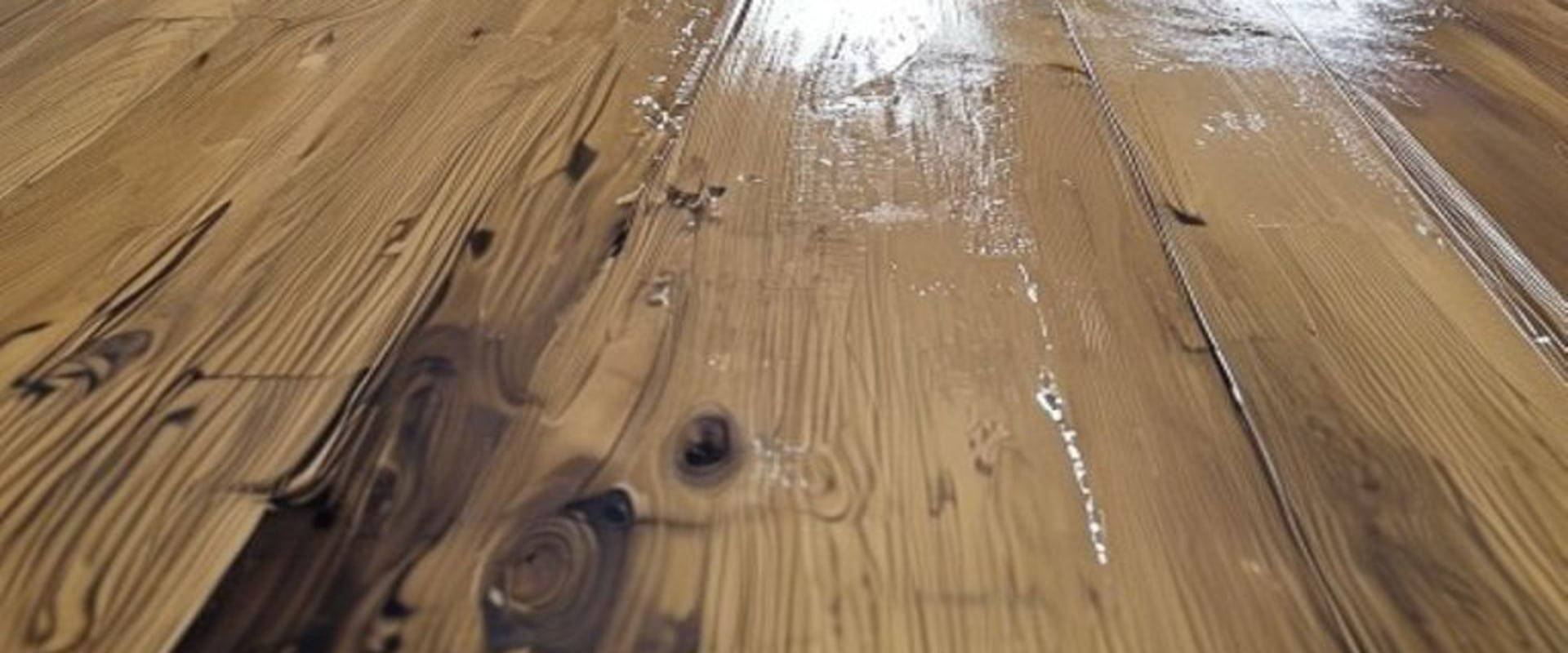
Vinyl flooring has become a popular choice for many homeowners due to its affordability, versatility, and ease of maintenance. This synthetic flooring option mimics the appearance of natural materials like wood and stone, making it an attractive addition to various residential settings. However, despite its many advantages, vinyl flooring is not without its vulnerabilities. One of the most common issues faced by homeowners is discoloration, which can detract from the aesthetic appeal of your space. Discoloration in vinyl flooring can occur for several reasons, including exposure to sunlight, spills, and improper cleaning methods.
Over time, these factors can lead to fading or yellowing, making your once-vibrant floors look dull and worn. Understanding the causes of discoloration is crucial for effective residential floor care. By recognizing the potential threats to your vinyl flooring, you can take proactive measures to protect it and maintain its beauty. In this article, we will explore practical tips and strategies for preventing discoloration on vinyl flooring. From choosing the right cleaning products to implementing protective measures against UV rays, these insights will help you preserve the integrity of your floors.
With proper care and attention, you can ensure that your vinyl flooring remains a stunning feature of your home for years to come.
Regular Cleaning Practices to Maintain Vinyl Flooring
To keep your vinyl flooring looking pristine and to prevent discoloration, implementing a consistent cleaning routine is essential. Regular maintenance not only enhances the appearance of your floors but also extends their lifespan. Start by sweeping or vacuuming your vinyl floors at least once a week to remove dirt and debris. This simple step helps prevent scratches and dullness caused by particles that can accumulate over time. When vacuuming, ensure that you use a vacuum without a beater bar to avoid damaging the surface. For deeper cleaning, use a damp mop with a solution specifically designed for cleaning vinyl flooring.Avoid harsh chemicals or abrasive cleaners, as these can lead to discoloration and damage. Instead, opt for a mixture of warm water and a few drops of mild dish soap or a commercial vinyl floor cleaner. This gentle approach will effectively lift stains without compromising the integrity of the flooring. Additionally, consider using a microfiber mop, which is excellent for trapping dirt and grime without scratching the surface. When mopping, always follow the grain of the flooring to ensure an even clean. Another important aspect of residential floor care is addressing spills immediately.
Wipe up any liquid spills as soon as they occur to prevent staining. For sticky substances, use a soft cloth dampened with warm water to gently lift the residue. Finally, place mats at entryways to reduce the amount of dirt tracked onto your floors. This simple addition can significantly decrease wear and tear, helping maintain the original color and shine of your vinyl flooring.
Protective Measures Against Sunlight and Heat
Vinyl flooring is a popular choice for residential floor care due to its durability and aesthetic appeal. However, exposure to sunlight and excessive heat can lead to discoloration over time.To maintain the vibrant look of your vinyl floors, it’s essential to implement protective measures against these damaging elements.
Utilize Window Treatments
One of the most effective ways to shield your vinyl flooring from harmful UV rays is by using window treatments. Consider the following options:- Blinds: Adjustable blinds allow you to control the amount of sunlight entering your home.
- Curtains: Heavy drapes or light-filtering curtains can significantly reduce UV exposure.
- Window Films: Applying UV-blocking films can help minimize sun damage while still allowing natural light in.
Strategic Furniture Placement
Another simple yet effective method is to rearrange your furniture. By placing larger pieces, such as sofas or bookshelves, in direct sunlight, you can create shaded areas that protect your vinyl flooring from prolonged exposure.Regular Maintenance
In addition to physical barriers, regular maintenance plays a crucial role in preserving the integrity of your vinyl floors. Here are some tips:- Clean Regularly: Dust and dirt can act like sandpaper on your floors.
Use a soft broom or vacuum with a floor attachment to keep them clean.
- Avoid Harsh Chemicals: Use gentle cleaners specifically designed for vinyl flooring to prevent damage.
- Use Area Rugs: Placing area rugs in high-traffic zones can help protect against wear and fading.
Choosing the Right Furniture and Rugs
When it comes to residential floor care, the placement of furniture and the choice of rugs can significantly impact the longevity and appearance of your vinyl flooring. Certain materials and colors can lead to discoloration over time, so it’s essential to make informed decisions.Furniture Placement
Heavy furniture can create pressure points on vinyl flooring, leading to indentations and potential discoloration. To mitigate this risk, consider the following tips:- Use Furniture Pads: Place felt pads under the legs of your furniture to distribute weight evenly and prevent scratches.
- Avoid Direct Sunlight: Position large furniture pieces strategically to block direct sunlight from hitting the floor, as UV rays can cause fading.
- Regularly Rearrange: Change the layout of your furniture periodically to avoid uneven wear and discoloration in specific areas.
Selecting Rugs for Vinyl Flooring
Rugs can enhance the aesthetic appeal of your space while also protecting your vinyl flooring. However, not all rugs are suitable.Here are some guidelines:
- Choose Non-Slip Backing: Opt for rugs with a non-slip backing to prevent movement that could lead to scratches or scuffs.
- Avoid Rubber Backings: Rugs with rubber backing can trap moisture and lead to discoloration. Instead, look for natural fiber or synthetic options that are safe for vinyl.
- Select Light Colors: Light-colored rugs can help reflect light and minimize heat absorption, reducing the risk of fading on your vinyl flooring.
Dealing with Spills and Stains Promptly
One of the most effective ways to maintain the appearance of your vinyl flooring is by dealing with spills and stains promptly. Vinyl is a durable material, but it can be susceptible to discoloration if liquids are allowed to sit for too long.Here are some essential tips for managing spills and removing stains effectively:
- Act Quickly: As soon as a spill occurs, grab a clean cloth or paper towel and blot the area gently. Avoid rubbing, as this can spread the liquid and worsen the stain.
- Use the Right Cleaning Solution: For most spills, warm water and a mild dish soap will suffice. However, for tougher stains like red wine or ink, consider using a specialized vinyl floor cleaner. Always test any cleaner on a small, inconspicuous area first.
- Rinse Thoroughly: After cleaning the spill, make sure to rinse the area with clean water to remove any soap residue.
This step is crucial as leftover soap can attract dirt and lead to further discoloration.
- Dry Completely: Use a dry cloth to absorb any remaining moisture. Leaving water on vinyl flooring can lead to warping or mold growth over time.
Remember, prevention is key in residential floor care, so stay vigilant and address any issues as they arise.
Using Floor Mats and Entryway Solutions
One of the most effective ways to protect your vinyl flooring from discoloration is by implementing floor mats and entryway solutions. These simple additions can significantly reduce the amount of dirt, moisture, and debris that enters your home, which are common culprits of floor damage.Choosing the Right Floor Mats
- Material Matters: Opt for mats made from durable materials that can withstand heavy foot traffic. Rubber-backed mats are particularly effective as they grip the floor and prevent slipping.
- Size and Coverage: Ensure that your mats are large enough to catch dirt and moisture from shoes. A mat placed at the entryway should extend several feet in length to maximize its effectiveness.
- Easy to Clean: Select mats that are easy to clean.
Regular maintenance will ensure they continue to trap dirt without becoming a source of grime themselves.
Entryway Solutions
- Shoe Removal Stations: Encourage family members and guests to remove their shoes upon entering. This simple practice can drastically reduce the amount of dirt tracked onto your vinyl floors.
- Designated Areas: Create a designated area near the entrance for shoes, bags, and umbrellas. This helps contain any moisture or dirt before it spreads throughout your home.
- Regular Maintenance: Regularly vacuum or sweep the entryway to prevent dirt buildup. A clean entryway will help keep your vinyl flooring looking fresh and vibrant.
These proactive measures not only protect your vinyl flooring from discoloration but also contribute to a cleaner and more inviting home environment.
The Role of Humidity and Temperature Control
Maintaining the right humidity and temperature levels in your home is crucial for the longevity and appearance of your vinyl flooring. Fluctuations in these environmental factors can lead to discoloration, warping, and other forms of damage that compromise the aesthetic and functional integrity of your floors.Humidity Control
- Keep indoor humidity levels between 30% and 50%. This range helps prevent moisture buildup that can lead to mold growth and discoloration.
- Use a dehumidifier in areas prone to excess moisture, such as basements or bathrooms, to maintain stable humidity levels.
- During dry seasons, consider using a humidifier to prevent the air from becoming too dry, which can cause vinyl to become brittle and more susceptible to damage.
Temperature Effects on Vinyl Flooring
- Avoid exposing your vinyl flooring to extreme temperatures. Ideally, keep your home temperature between 65°F and 85°F.
Extreme heat can cause the vinyl to expand, while cold temperatures can lead to contraction.
- Be cautious with direct sunlight. Use curtains or blinds to minimize sun exposure during peak hours, as prolonged sunlight can fade colors and lead to uneven discoloration.
- If you have radiant heating systems, ensure they are set at a moderate level. High temperatures from these systems can warp vinyl flooring over time.
Common Myths About Vinyl Flooring Care
When it comes to vinyl flooring care, several myths can lead homeowners astray, potentially causing discoloration and other issues.Understanding these misconceptions is crucial for maintaining the beauty and longevity of your floors.
- Myth 1: All cleaning products are safe for vinyl flooring. Many believe that any household cleaner can be used on vinyl. In reality, harsh chemicals and abrasive cleaners can damage the surface, leading to discoloration. Always opt for products specifically designed for residential floor care.
- Myth 2: Vinyl flooring doesn’t need regular maintenance. Some homeowners think that vinyl is so durable that it requires little to no upkeep. However, regular cleaning and maintenance are essential to prevent dirt buildup and fading.
A simple routine of sweeping and mopping with a gentle cleaner can go a long way.
- Myth 3: Sunlight has no effect on vinyl flooring. While vinyl is designed to withstand some exposure to sunlight, prolonged direct sunlight can cause fading and discoloration over time. Using window treatments or area rugs can help protect your floors from UV damage.
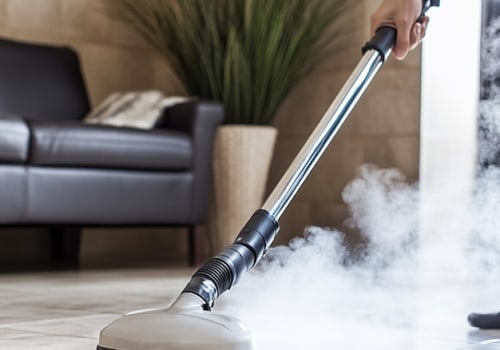
- Myth 4: You can use a steam mop on vinyl flooring. Steam mops are often touted as effective cleaning tools, but the high heat and moisture can warp or damage vinyl. Stick to traditional mopping methods with a damp cloth instead.
Conclusion: Key Takeaways for Maintaining Beautiful Vinyl Floors
In conclusion, maintaining the beauty of your vinyl floors requires a proactive approach to residential floor care.By implementing the tips discussed throughout this article, you can significantly reduce the risk of discoloration and extend the life of your flooring.Regular Cleaning: Consistent cleaning is essential. Use a soft broom or vacuum to remove dirt and debris, followed by a damp mop with a gentle cleaner specifically designed for vinyl. Avoid harsh chemicals that can strip the finish and lead to discoloration.Protective Measures: Placing mats at entryways can help trap dirt and moisture before they reach your floors. Additionally, using furniture pads under heavy items will prevent scratches and scuffs that can contribute to uneven color.Sunlight Exposure: Be mindful of direct sunlight, which can fade vinyl flooring over time.
Consider using window treatments or UV-blocking films to minimize exposure during peak sunlight hours.Temperature Control: Maintaining a consistent indoor temperature can also help prevent discoloration. Extreme heat or cold can affect the material properties of vinyl, leading to warping or fading. By following these key takeaways, you can ensure that your vinyl flooring remains vibrant and attractive for years to come. Remember, preventive care is always more effective than corrective measures when it comes to preserving the aesthetic appeal of your home.