Oil stains on carpets can be a homeowner's worst nightmare, often appearing unexpectedly and leaving behind unsightly marks that can detract from the overall beauty of your residential flooring. These stains typically result from spills during cooking, automotive maintenance, or even from pets. Understanding the nature of these stains is crucial for effective carpet care, as oil can penetrate deep into the fibers, making it challenging to remove without the right approach. When oil seeps into carpet fibers, it not only affects the appearance but can also lead to lingering odors and attract dirt and debris, further complicating the cleaning process. Prompt action is essential; the longer an oil stain sits, the more difficult it becomes to eliminate.
This is why recognizing the importance of immediate treatment is a key aspect of maintaining your carpets and ensuring they remain in pristine condition. In addition to aesthetic concerns, addressing oil stains is vital for preserving the integrity of your carpets. Over time, untreated stains can weaken fibers and lead to permanent damage, necessitating costly replacements. By understanding how to effectively tackle oil stains, homeowners can protect their investment in residential floor care and enjoy a clean, inviting living space.
Immediate Actions to Take When an Oil Stain Occurs
When an oil stain occurs on your carpet, immediate action is crucial to prevent permanent damage. The longer the oil sits, the more difficult it becomes to remove.Here are the steps you should take right away:
- Blot the Stain: Use a clean, dry cloth or paper towel to gently blot the stain. Avoid rubbing, as this can spread the oil further into the fibers. Blot from the outside of the stain towards the center to minimize spreading.
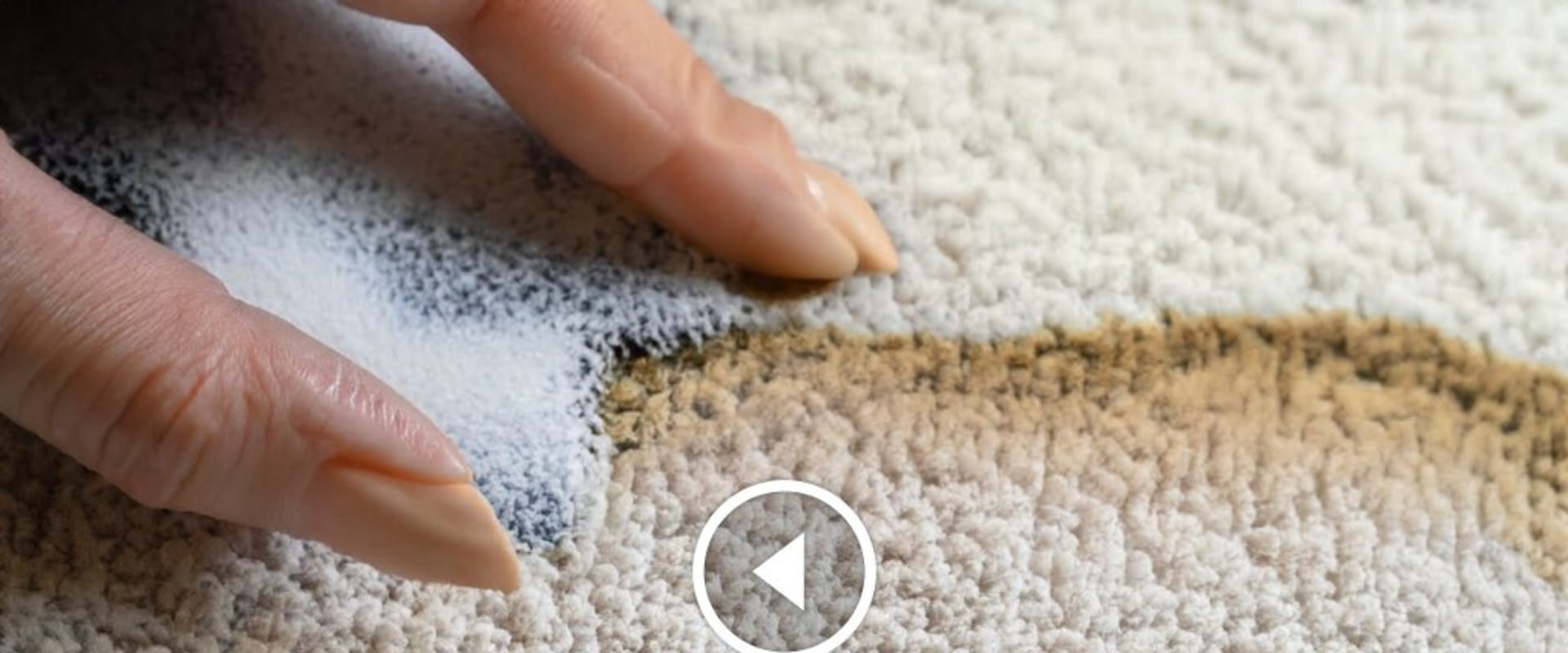
- Apply a Dry Absorbent: Sprinkle a generous amount of cornstarch, baking soda, or talcum powder over the stain. These substances will help absorb the oil.
Let it sit for at least 15 minutes before vacuuming it up.
- Use a Carpet Cleaner: If the stain persists, apply a carpet cleaner specifically designed for oil stains. Follow the manufacturer’s instructions carefully. Test any cleaner on an inconspicuous area first to ensure it doesn’t discolor your carpet.
- Rinse and Blot Again: After applying the cleaner, rinse the area with a small amount of water and blot again with a clean cloth to remove any residue.
- Always keep your cleaning supplies handy for quick access when accidents happen.
- Consider using a protective carpet treatment that can help repel stains and make future cleanups easier.
- If you’re unsure about handling an oil stain yourself, don’t hesitate to contact a professional cleaning service specializing in residential floor care.
DIY Methods for Removing Oil Stains from Carpets
Removing oil stains from carpets can seem daunting, but with the right DIY methods, you can tackle these pesky marks effectively. Here are some tried-and-true techniques using common household products that are safe for your carpets.1.Baking Soda and Dish Soap
Baking soda is a powerful absorbent that can help lift oil stains.Combine it with dish soap for an effective solution:
- Step 1: Blot the stain gently with a clean cloth to absorb excess oil.
- Step 2: Sprinkle a generous amount of baking soda over the stain.
- Step 3: In a bowl, mix one tablespoon of dish soap with two cups of warm water.
- Step 4: Using a clean cloth, apply the soapy water to the stained area and blot.
- Step 5: Rinse with cold water and blot dry.
2.Cornstarch Method
Cornstarch is another excellent option for absorbing oil:- Step 1: Apply cornstarch directly onto the oil stain.
- Step 2: Let it sit for at least 30 minutes to absorb the oil.
- Step 3: Vacuum the area thoroughly to remove the cornstarch.
- Step 4: If any stain remains, repeat the process or follow up with a mild detergent solution.
3.Vinegar and Water Solution
A mixture of vinegar and water can also be effective:- Step 1: Mix equal parts of white vinegar and water in a spray bottle.
- Step 2: Spray the solution onto the stained area without saturating it.
- Step 3: Blot with a clean cloth until the stain lifts.
- Step 4: Rinse with cold water and blot dry.
Commercial Products for Oil Stain Removal
When it comes to tackling oil stains on carpets, utilizing commercial stain removers can be a game changer. These products are specifically formulated to break down and lift oil-based substances, making them an essential part of your residential floor care toolkit.Here are some of the best commercial products for oil stain removal:- Resolve Carpet Stain Remover: This product is known for its powerful formula that targets tough stains, including oil.
To use, simply spray the affected area, let it sit for a few minutes, and blot with a clean cloth.
- Bissell Professional Spot and Stain Remover: Ideal for deep cleaning, this product works well on both fresh and set-in oil stains. Apply directly to the stain, scrub gently with a brush, and then blot with a towel.
- Zep Heavy-Duty Citrus Degreaser: This industrial-strength cleaner is effective for heavy oil stains. It’s best used in well-ventilated areas; spray on the stain, allow it to penetrate for a few minutes, and then rinse with water.
- Nature's Miracle Stain and Odor Remover: A more eco-friendly option, this enzymatic cleaner breaks down organic stains. Apply generously to the stain and let it sit for at least 15 minutes before blotting.
Always test the cleaner on a small, inconspicuous area of your carpet first to ensure it doesn’t cause discoloration or damage. Additionally, remember to work from the outside of the stain towards the center to prevent spreading.Incorporating these carpet cleaning products into your routine can significantly enhance your ability to maintain clean and pristine carpets in your home. Regular use not only helps in immediate stain removal but also contributes to the overall longevity of your carpets.
Preventing Future Oil Stains on Carpets
Preventing oil stains on carpets is essential for maintaining a clean and inviting home. By implementing effective carpet maintenance tips, you can significantly reduce the risk of stains and prolong the life of your flooring.- Use Area Rugs: Place area rugs in high-traffic zones or areas where spills are likely to occur, such as under dining tables or near kitchen entrances.
This acts as a protective barrier against potential oil stains.
- Regular Vacuuming: Keep your carpets clean by vacuuming regularly. This not only removes dirt and debris but also helps to prevent oils from settling into the fibers.
- Immediate Cleanup: In the event of a spill, act quickly. Blot the area with a clean cloth to absorb as much oil as possible before it penetrates deeper into the carpet fibers.
- Professional Cleaning: Schedule professional carpet cleaning at least once a year. This deep cleaning can help remove any hidden oils and prevent them from becoming permanent stains.
- Use Carpet Protectors: Consider applying a carpet protector spray that repels liquids and stains.
These products create a barrier that makes it harder for oils to penetrate the carpet.
When to Call a Professional Carpet Cleaner
While many oil stains can be tackled with DIY methods, there are specific scenarios where professional carpet cleaning becomes essential. Understanding when to call in the experts can save you time, effort, and potentially prevent further damage to your carpet.- Severe Stains: If the oil stain is large or has penetrated deeply into the carpet fibers, it may be beyond the reach of home remedies. Professionals have access to advanced cleaning solutions and equipment that can effectively lift stubborn stains.
- Multiple Stains: When dealing with multiple oil stains or a combination of different types of stains, a professional service can provide a comprehensive cleaning that ensures all areas are treated appropriately.
- Delicate Fabrics: If your carpet is made from delicate materials such as silk or wool, using harsh chemicals or aggressive scrubbing techniques can cause irreversible damage.
In such cases, hiring a professional who specializes in residential floor care is advisable.
- Persistent Odors: Oil stains often come with lingering odors that DIY methods may not eliminate. Professionals have specialized tools and techniques to neutralize odors effectively.
- Lack of Time or Resources: If you find yourself short on time or lacking the necessary cleaning supplies, it may be more efficient to hire a professional service. They can quickly assess the situation and provide a solution without the hassle of DIY.
Frequently Asked Questions About Oil Stain Removal from Carpets
When it comes to oil stain removal from carpets, many homeowners have questions.Here are some of the most frequently asked questions regarding this topic:
- What is the best method for removing oil stains from carpets?
One effective method is to use a combination of cornstarch or baking soda to absorb the oil, followed by a gentle carpet cleaner. Apply the absorbent material to the stain, let it sit for 15-20 minutes, and then vacuum it up before treating with a cleaner. - Can I use household products to remove oil stains?
Yes, many household products can be effective. For instance, dish soap mixed with warm water can help break down the oil. Just be sure to test any solution on a small, inconspicuous area first. - How do I prevent oil stains from setting in?
Act quickly! The sooner you address an oil stain, the easier it will be to remove.Blot the stain gently with a clean cloth to absorb excess oil before applying any cleaning solution.
- Is professional cleaning necessary for tough oil stains?
If home remedies fail, it may be time to call in professionals. They have specialized equipment and cleaning solutions that can effectively tackle stubborn stains without damaging your carpet.
Conclusion: Key Takeaways for Effective Carpet Care
In conclusion, maintaining a clean and stain-free carpet is essential for both the aesthetics and longevity of your flooring. When it comes to removing oil stains, timely action and the right techniques are crucial. Here are the key takeaways to ensure effective residential floor care:- Act Quickly: The sooner you address an oil stain, the better your chances of complete removal.
Delaying treatment can lead to deeper penetration into the carpet fibers.
- Use the Right Products: Always opt for cleaning solutions specifically designed for oil stains. Common household items like baking soda, dish soap, or vinegar can be effective, but ensure they are suitable for your carpet type.
- Blot, Don’t Rub: When treating a stain, remember to blot the area gently with a clean cloth. Rubbing can spread the stain further and damage the fibers.
- Test Before You Treat: Always perform a patch test on an inconspicuous area of your carpet before applying any cleaning solution to avoid discoloration or damage.
- Consider Professional Help: If the stain persists despite your best efforts, don’t hesitate to seek professional cleaning services. They have specialized equipment and expertise that can restore your carpet effectively.
Regular maintenance and prompt action against stains will not only keep your carpets looking great but also extend their lifespan, making them a worthwhile investment in your residential floor care routine.